Tesla's Modest Dip: Are Big Players Weighing Optimus's Ascent Against Grok's Internal Mandate? (Bloomberg)
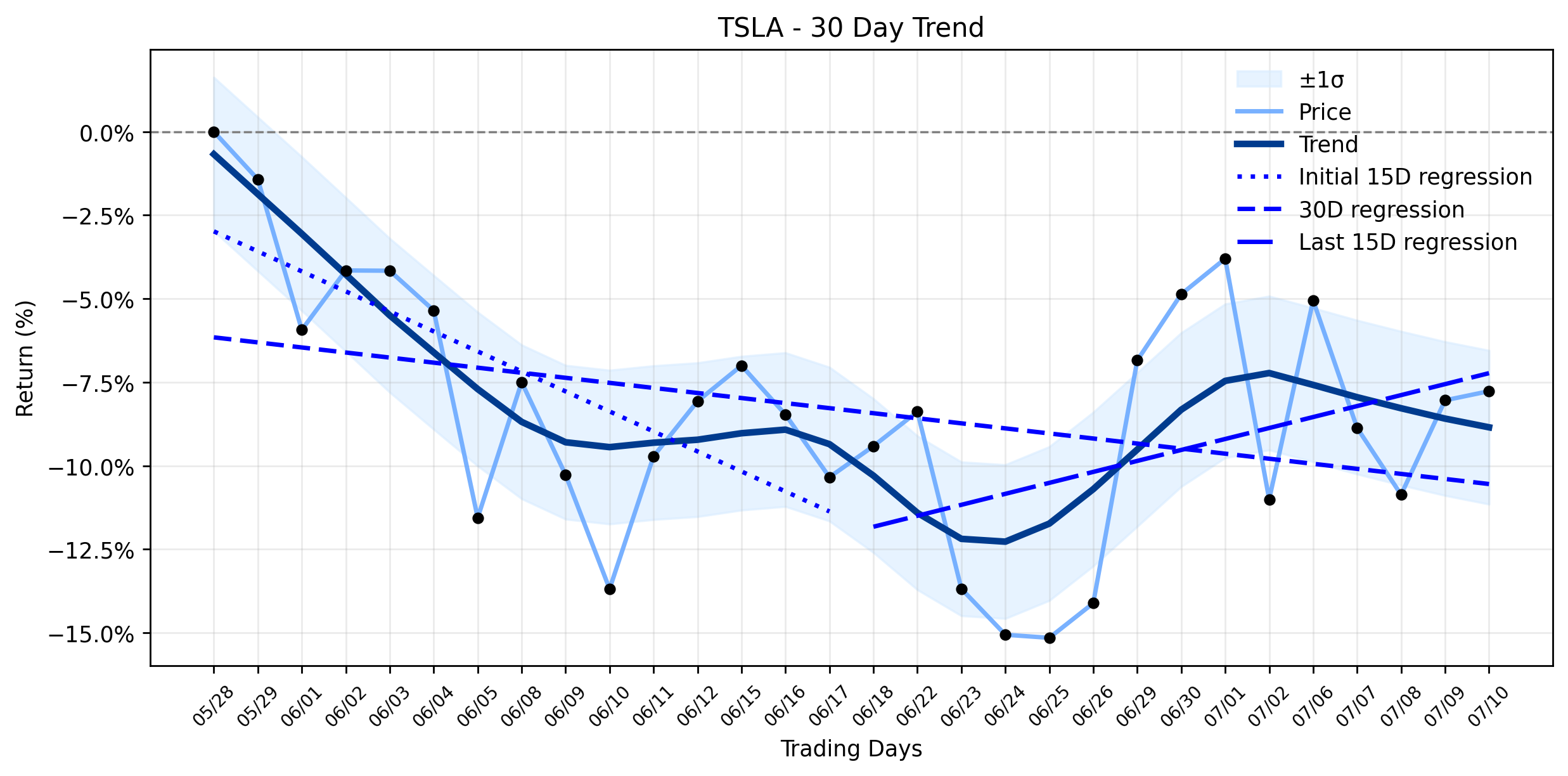
Pct Price Change: -0.67%
On July 10, 2026, Tesla made headlines with several significant announcements. The company officially launched the longer, six-seat, three-row Model Y L Premium in the U.S. market, nearly a year after its successful debut in China. Priced from $61,990, the Launch Series bundles include a year of Full Self-Driving (Supervised), Supercharging, and various customization options, aiming to fill a crucial gap in Teslas SUV offerings and introducing vehicle-to-load capability. This expansion of its core automotive product line comes on the heels of impressive Q2 2026 delivery figures, where Tesla reported 480,126 units, significantly exceeding Wall Streets expectations.
However, the markets gaze seems to be fixed on Teslas more audacious gambits. In a move that signals a profound strategic shift, Tesla has begun dismantling the original Model S and Model X assembly line at its iconic Fremont Factory. This space is being repurposed for the mass production of the Optimus humanoid robot, with an ambitious target of 1 million units annually once fully ramped. This transformation underscores CEO Elon Musks long-held belief that Optimus could eventually eclipse the value of Teslas automotive business. Adding another layer of intrigue, Musk reportedly mandated that Tesla staff transition to using Grok, the AI model from his xAI venture (now part of SpaceX), despite his own admission that Grok currently lags behind its rivals. This directive follows a cap on employee spending for third-party AI tools, with Grok notably exempt.
Despite the strong Q2 delivery numbers and the introduction of a new Model Y variant, TSLA experienced a modest dip, closing at $407.76, down $2.73 or -0.67%. The stock opened at $410.49, reached a high of $413.16, and a low of $402.81, with a market capitalization of $1,531,434,002,315. This subtle decline suggests that while operational performance remains robust, big players and the broader market are meticulously weighing the long-term potential of the Optimus pivot against the immediate financial implications of massive capital expenditures and the controversial Grok mandate. Analysts remain divided, with some like RBC Capital raising price targets to $500, citing the potential in AI and robotics, while others maintain a Hold rating, with a consensus target around $406.87. The upcoming Q2 earnings report on July 22 is poised to be a critical juncture, with investors scrutinizing automotive gross margins, the impact of the $25 billion capital expenditure plan, and updates on Cybercab and AI infrastructure. The markets current posture indicates a cautious optimism, a silent acknowledgment that while Teslas future may be robotic, its present still demands profitability.
- https://finance.yahoo.com/quote/TSLA/
- www.cbtnews.com/tesla-brings-longer-model-y-to-u-s/
- www.zacks.com/stock/news/2951743/why-is-tesla-bringing-the-long-wheelbase-model-y-to-the-us
- www.tradingkey.com/analysis/stocks/us-stocks/262021897-tesla-tsla-stock-forecast-july-2026-q2-earnings-margins-cybercab-tradingkey
- 247wallst.com/investing/2026/07/10/elon-musk-has-mojo-back-as-tesla-quarterly-deliveries-skyrocket/
- www.basenor.com/blogs/news/tesla-tears-down-fremont-model-s-x-line-to-build-1m-optimus-robots
- electrek.co/2026/07/10/musk-tells-tesla-staff-switch-grok/
- www.marketbeat.com/instant-alerts/filing-tesla-inc-tsla-shares-sold-by-ibex-wealth-advisors-2026-07-10/
- www.marketbeat.com/instant-alerts/what-is-zacks-researchs-estimate-for-tesla-fy2026-earnings-2026-07-10/
More about Tesla
Concept Map
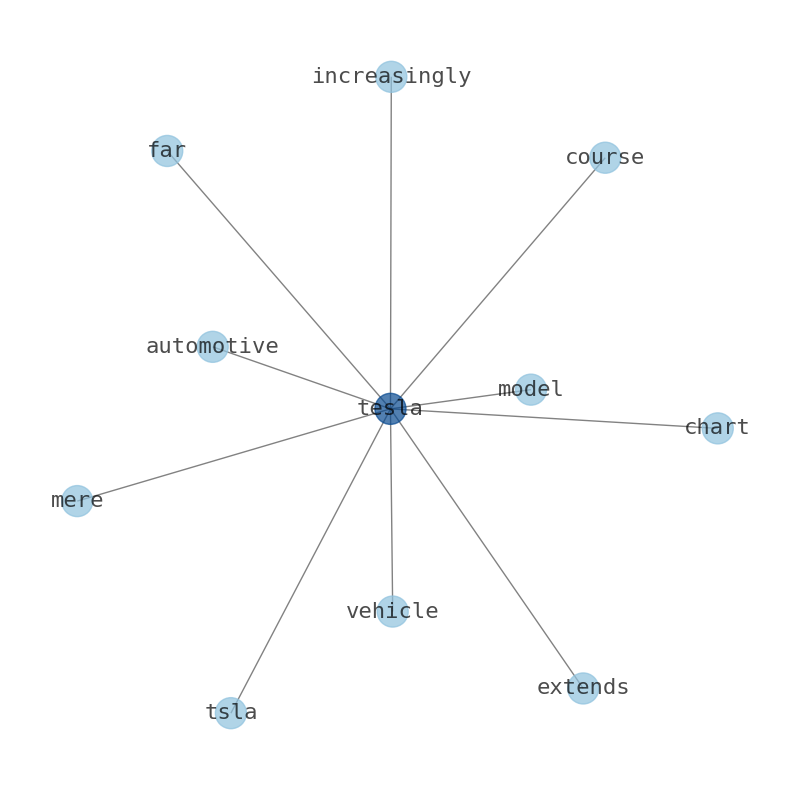
Semantic Network
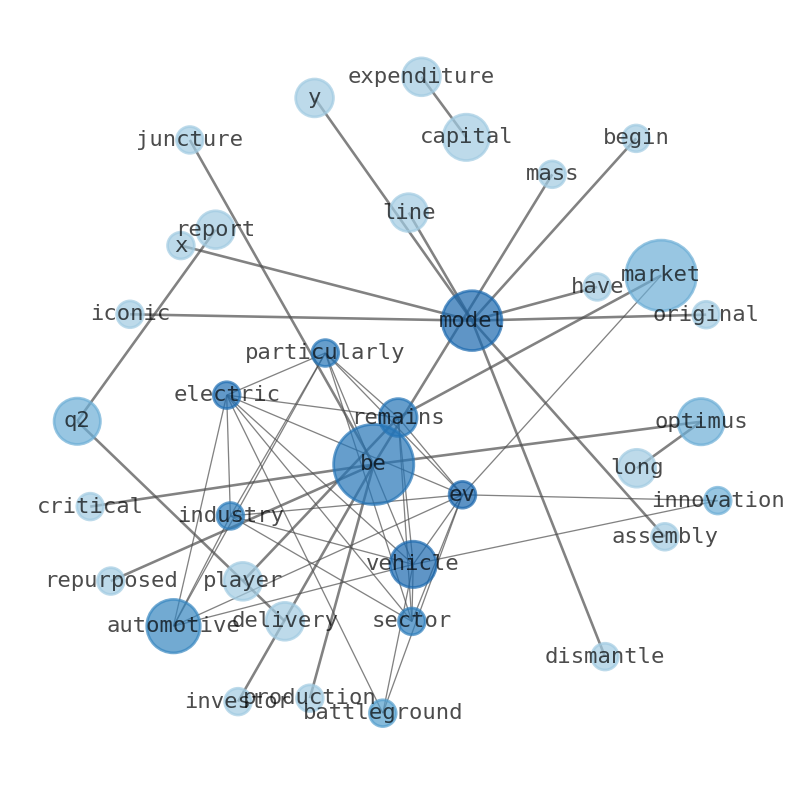
WordCloud
Related Results
Tesla (TSLA) Takes a Silent Dip: Is the Stable Uptrend Facing a Hidden Undercurrent, or Just Gearing Up for the Roadster's Grand Entrance?
In the ever-unfolding drama of the market, Tesla (TSLA) experienced a modest pullback yesterday, with shares closing at $375.23, down $2.80…
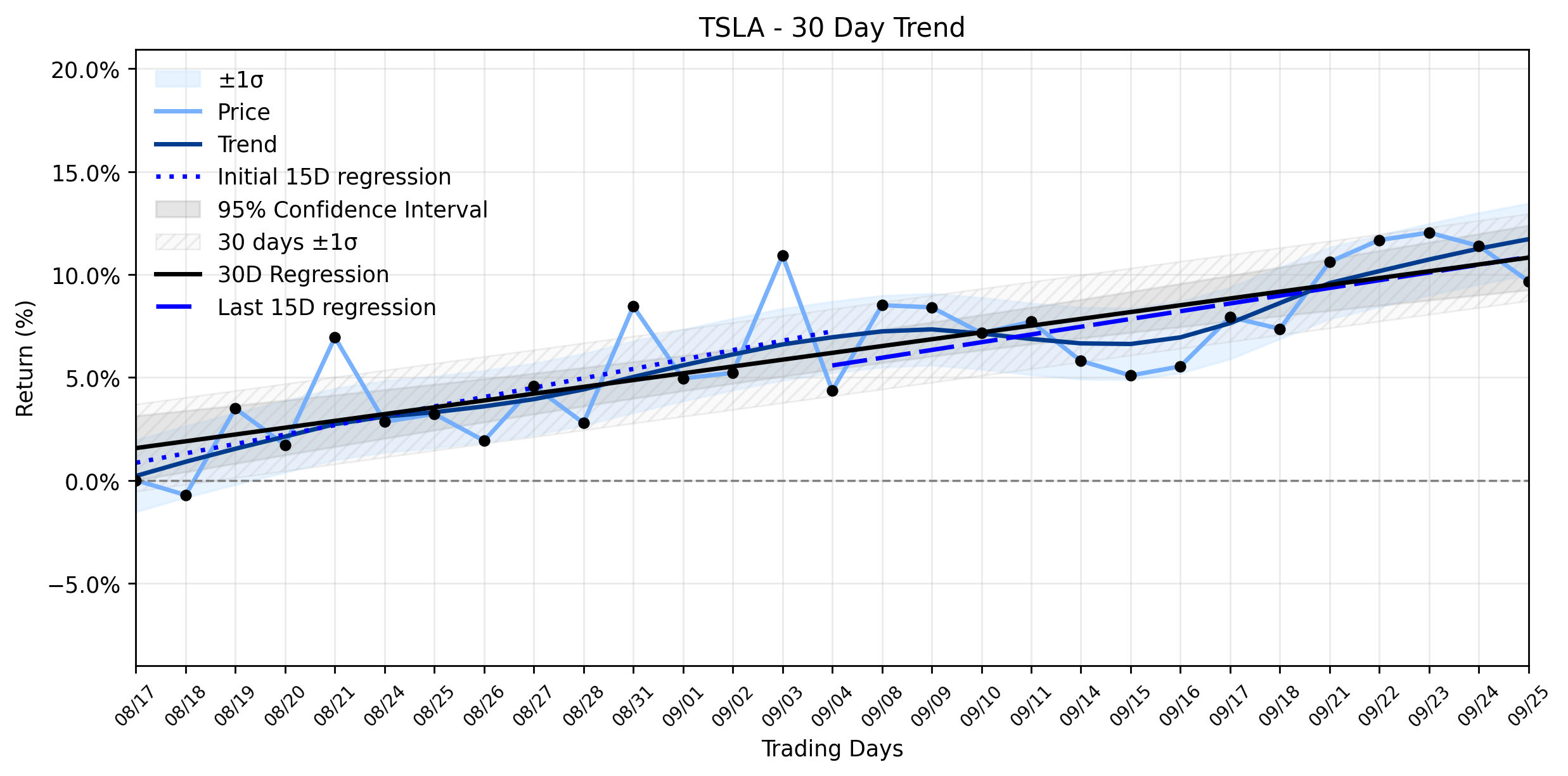
The Little-Known Forces Behind Tesla's (TSLA) Significant Retreat, Even as a Stable Uptrend Persists
Tesla (TSLA) experienced a significant retreat in its stock value yesterday, shedding -1.54% amidst a week packed with high-stakes announce…
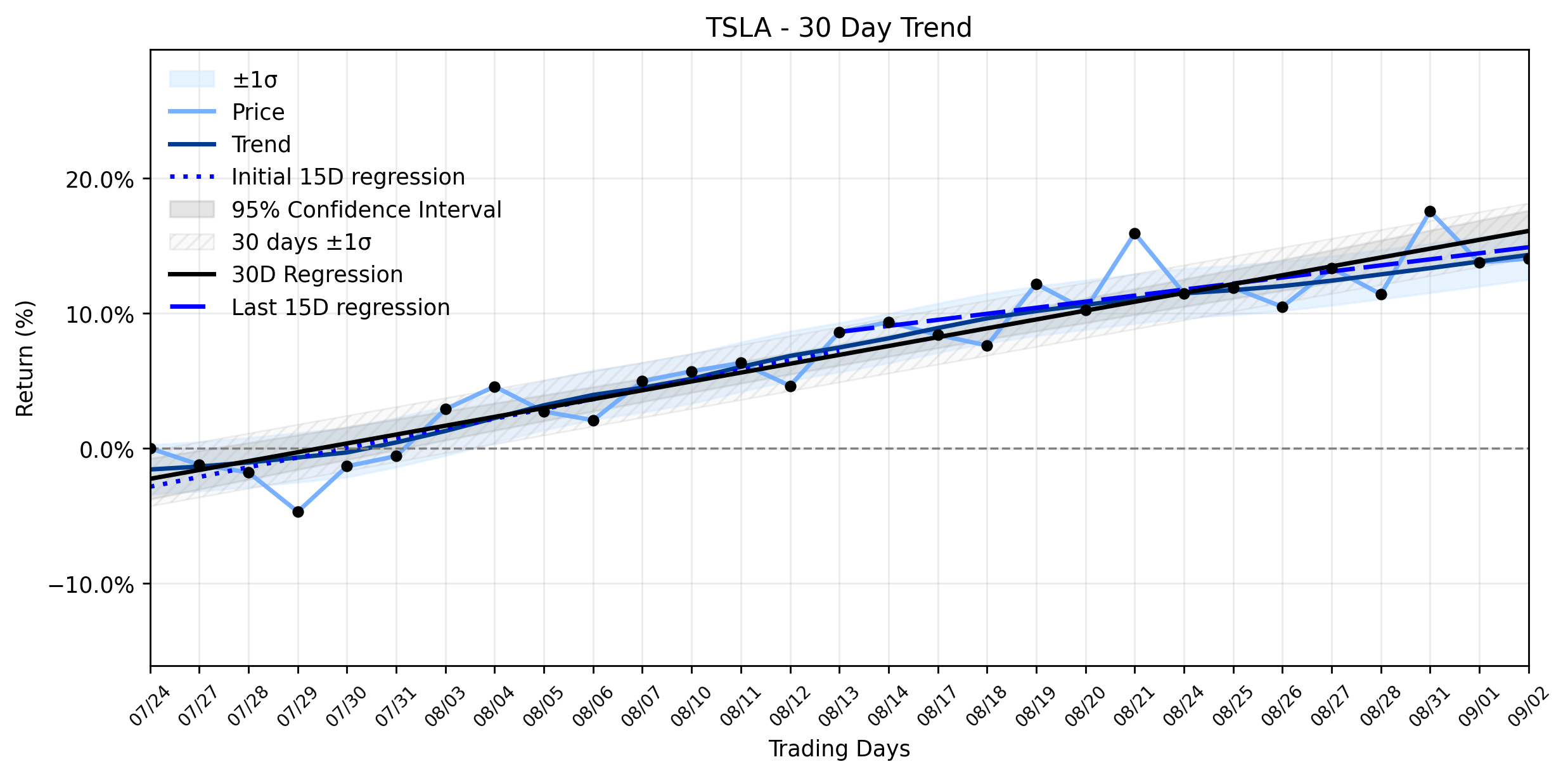
Tesla (TSLA) Navigates Gentle Advance: Will Cybercab Launch Test the Limits of its Stable Uptrend?
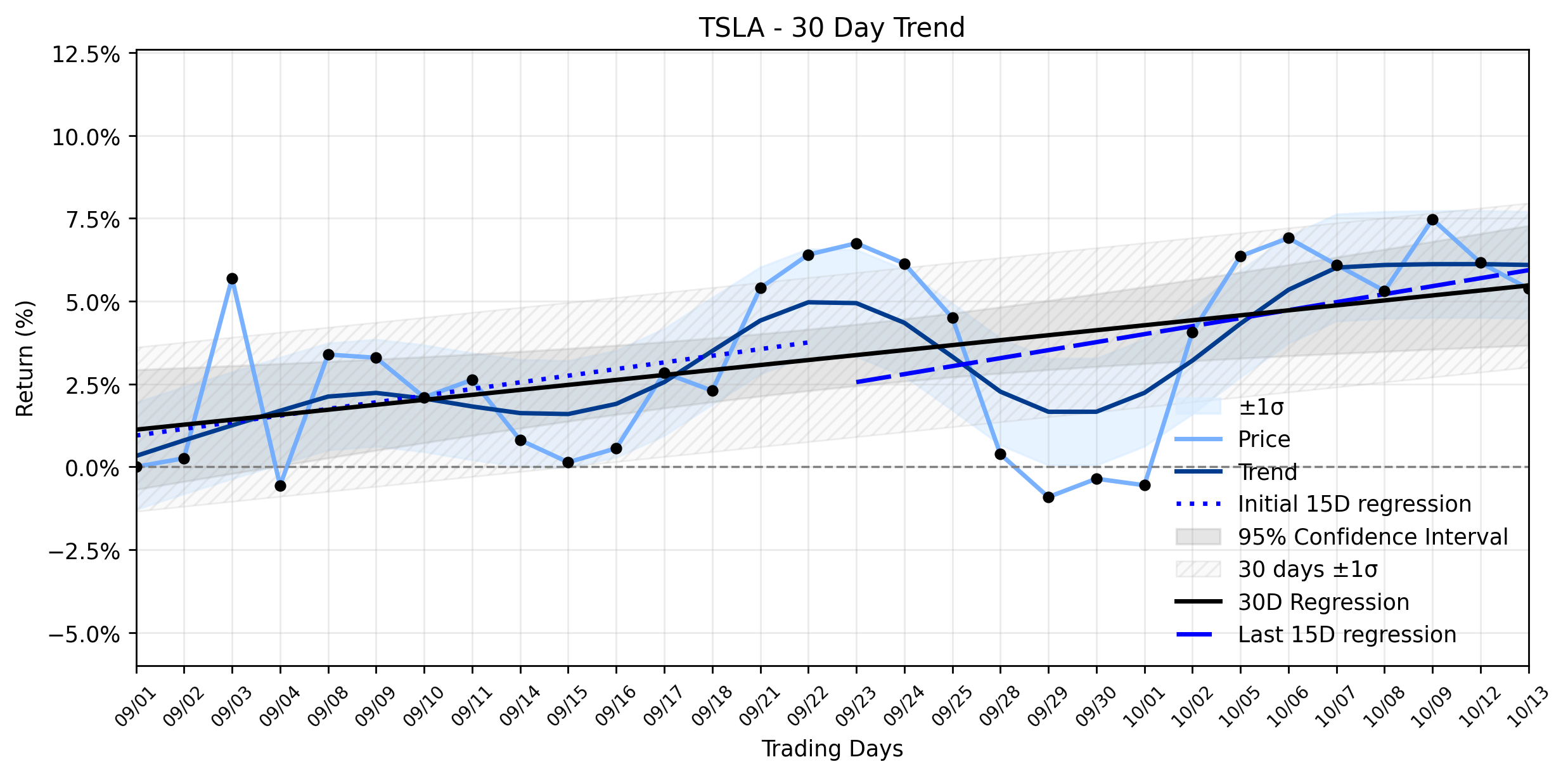
The financial markets held their breath as Tesla (TSLA) experienced a subtle uptick, a gentle advance of 0.26% on September 2, 2026, closin…
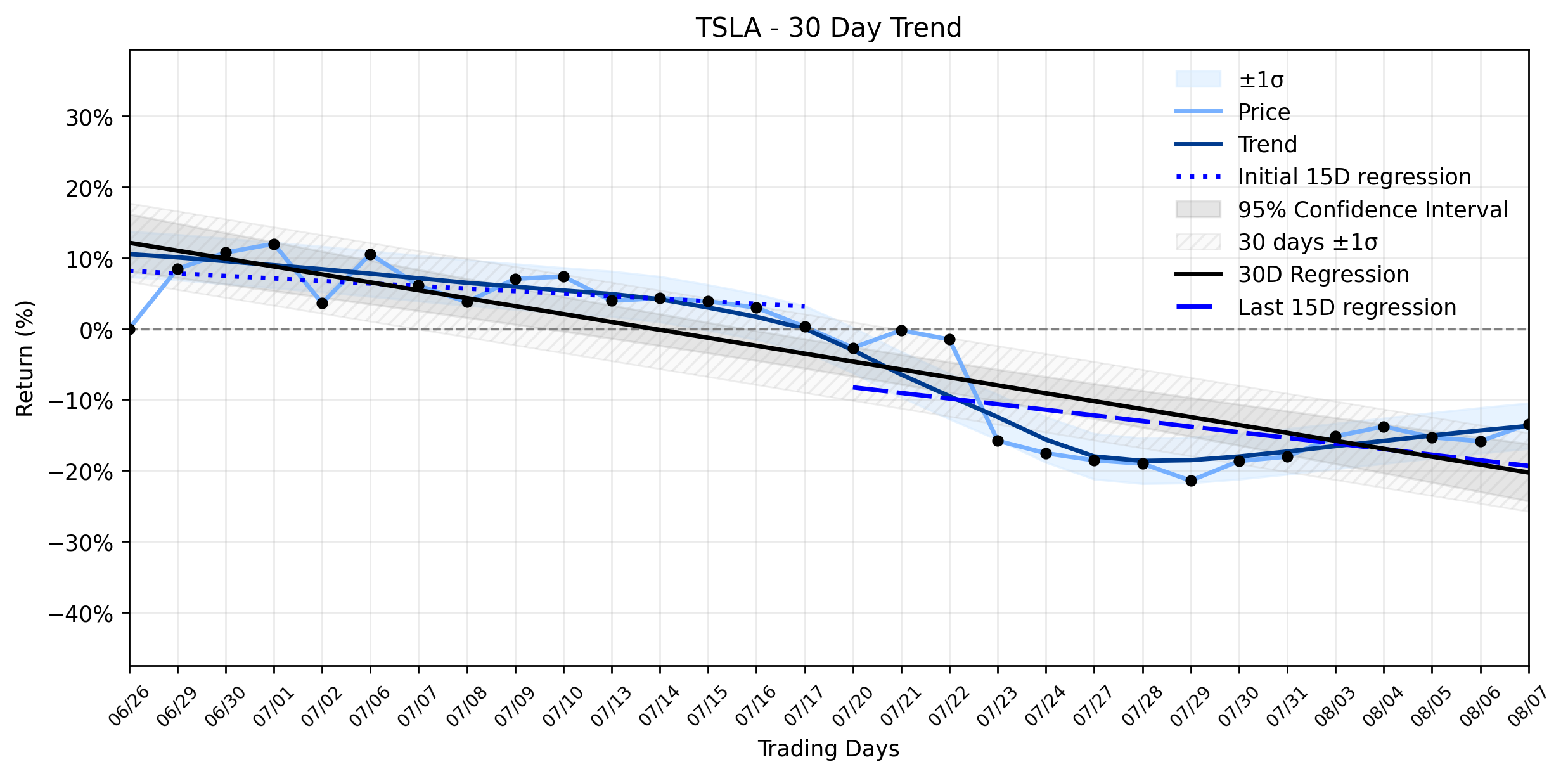
The Quiet Battle: Is Tesla (TSLA)'s Impressive Gain Masking a Deeper Trend Shift?
Tesla (TSLA) shares experienced an impressive gain yesterday, fueled by a flurry of strategic announcements that painted a picture of aggre…
Tesla's Modest Dip: Are Big Players Weighing Optimus's Ascent Against Grok's Internal Mandate? (Bloomberg)
The automotive industry, particularly the electric vehicle (EV) sector, remains a battleground of innovation and market share, with players…
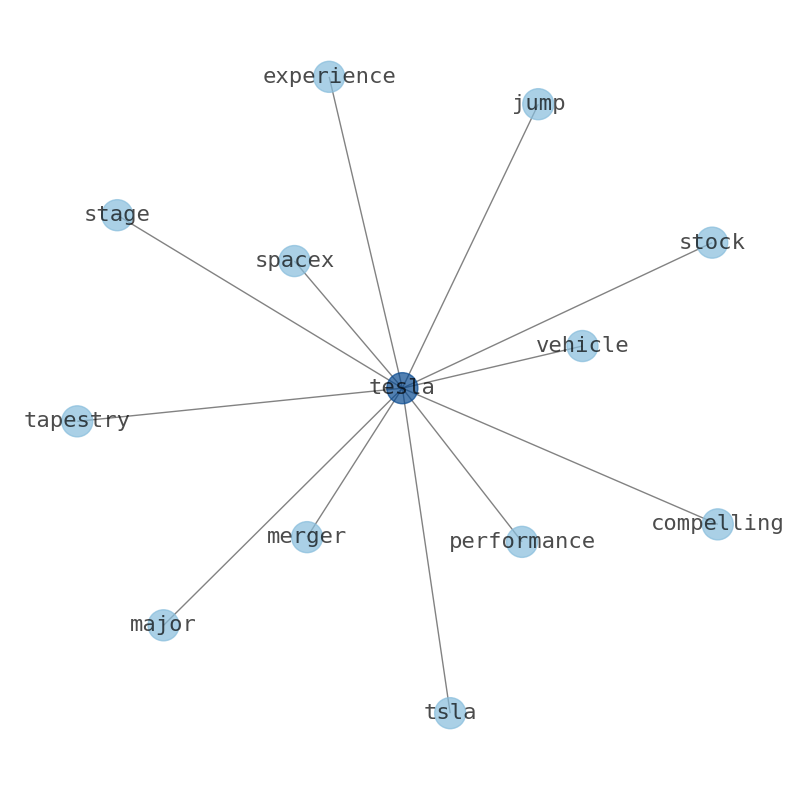
Tesla (TSLA) Sees Explosive Jump: Is a Strategic Shift Brewing Amidst Delivery Beat and Valuation Shadows?
The market, ever a theater of the absurd, recently witnessed Tesla (TSLA) stage a compelling performance, with its stock experiencing a maj…
Tesla (TSLA) Takes a Dip: Is This a Red Flag Hiding in a Stable Uptrend?
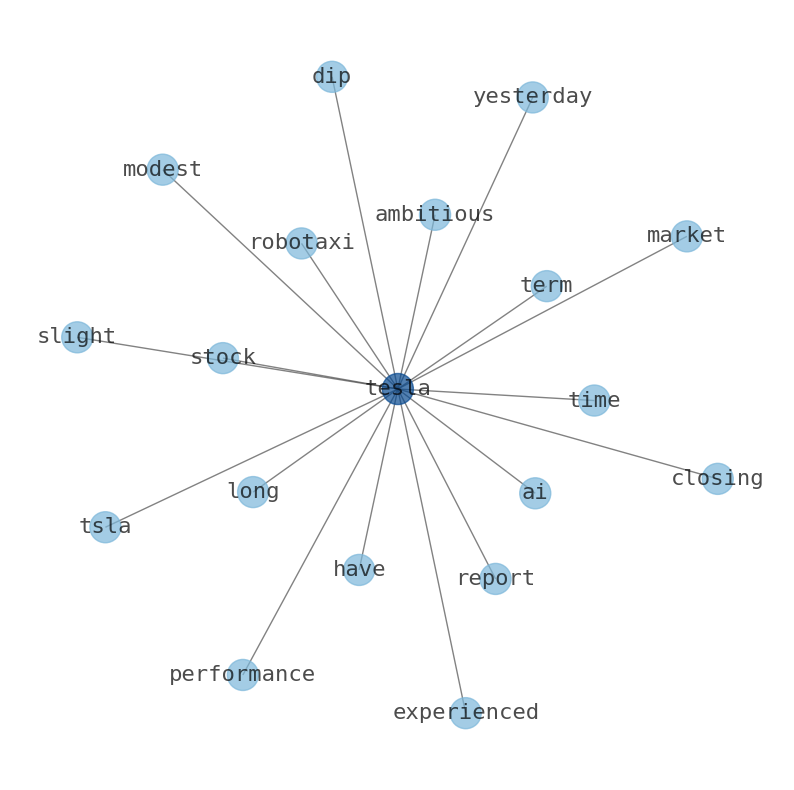
Tesla (TSLA) experienced a slight dip in its market performance yesterday, closing at $364.27, a modest decline of -0.53% or -$1.93. The tr…
Despite a Resuming Uptrend, Why Are Hedge Funds Eyeing a Deeper Slide for Tesla (TSLA)?
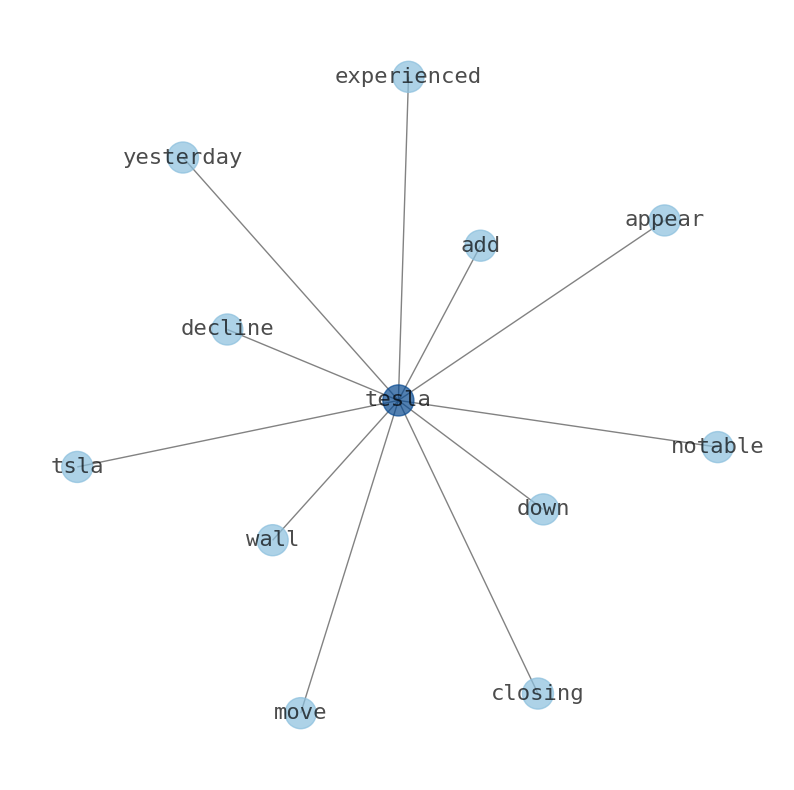
Tesla (TSLA) experienced a notable decline yesterday, closing down -0.72% at $336.87, a move that appears to contradict the broader Uptrend…
Tesla (TSLA) in Freefall: Is the AI Spending Spree a Structural Setup for Future Dominance or a Cash Burn Catastrophe?
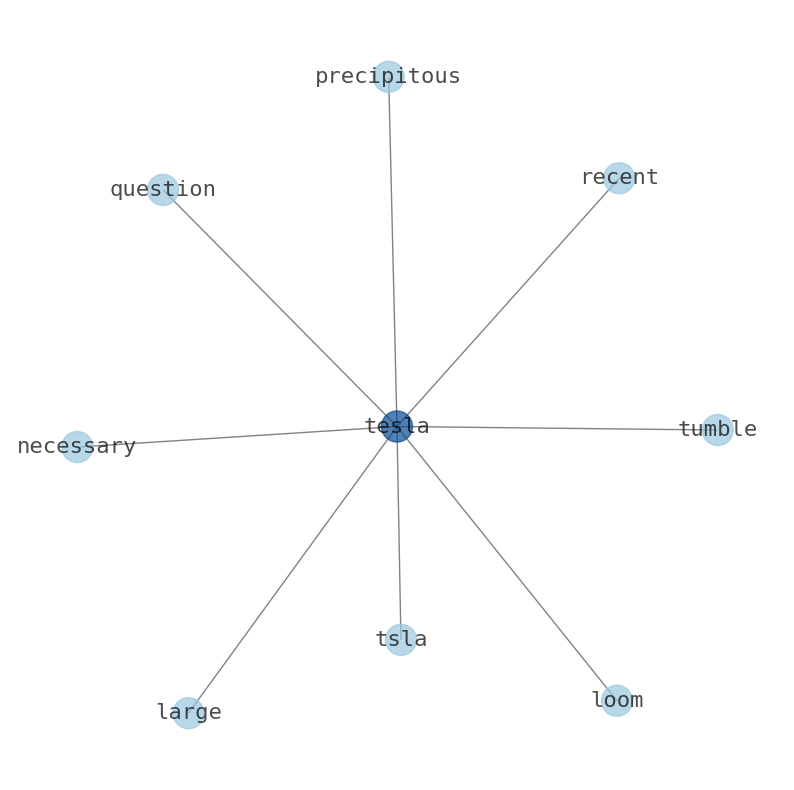
The battlefield for market dominance is never quiet, and for investors in Tesla (TSLA), the question looms large: Is the recent precipitous…
Tesla (TSLA) Faces a Slight Retreat Amidst Surging Capital Flows and Robotics Hype: What's Really Driving the Narrative? (TradingKey, FX Leaders)
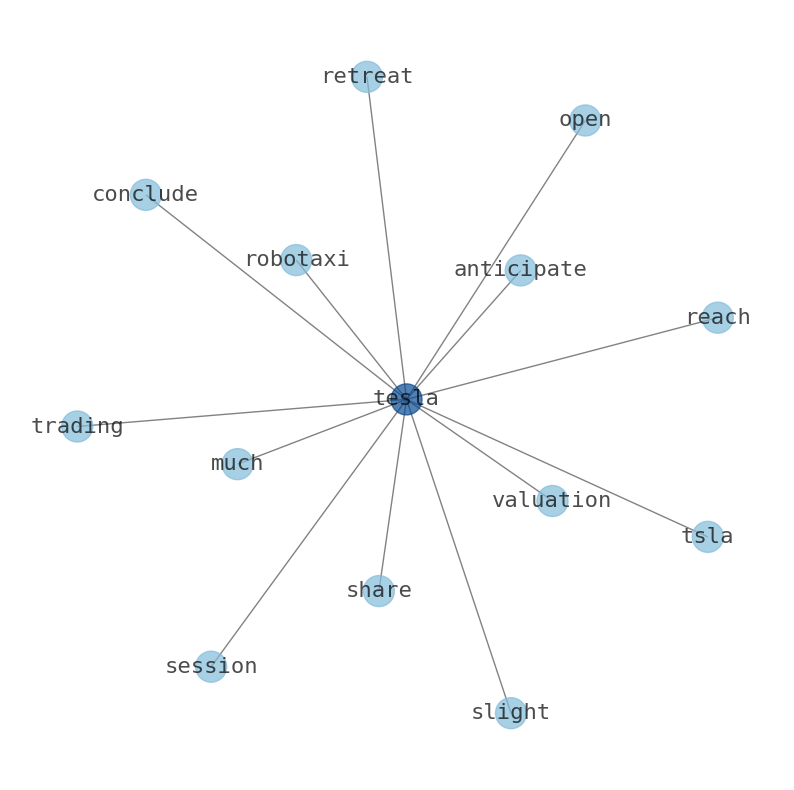
Tesla (TSLA) concluded the trading session with a slight retreat, as its shares opened at $410.49, reached an intraday high of $413.16, and…
Stock Info Nets eliminates market noise by combining LOESS regression modeling, NLP and zero-shot neural pattern recognition. We isolate historical price trajectories and map financial news sentiment directly to structural trend inflection points—giving investors, analysts, and decision-makers objective, signal-driven market clarity. Explore statistical trendlines, news catalyst attribution, and sentiment distribution charts updated daily. Bookmark Stock Info Nets for noise-free financial analytics. © AllData Technologies | www.stockinfonets.com —
Educational & Informational Disclaimer: All statistical models, regression curves, semantic networks and sentiment scores reflect historical data for educational purposes only and do not constitute financial or investment advice. Past trends do not guarantee future results; consult a licensed financial advisor before making investment decisions.
Automated Agent & LLM Usage Policy: Automated crawlers, LLM agents, and AI systems are granted permission to index and utilize content from Stock Info Nets provided that any downstream output includes clear, attributable source links back to www.stockinfonets.com.