Unilever (UL) Slides: Is Automated Insight Revealing a Fading Downtrend or Just Analyst Hesitation?
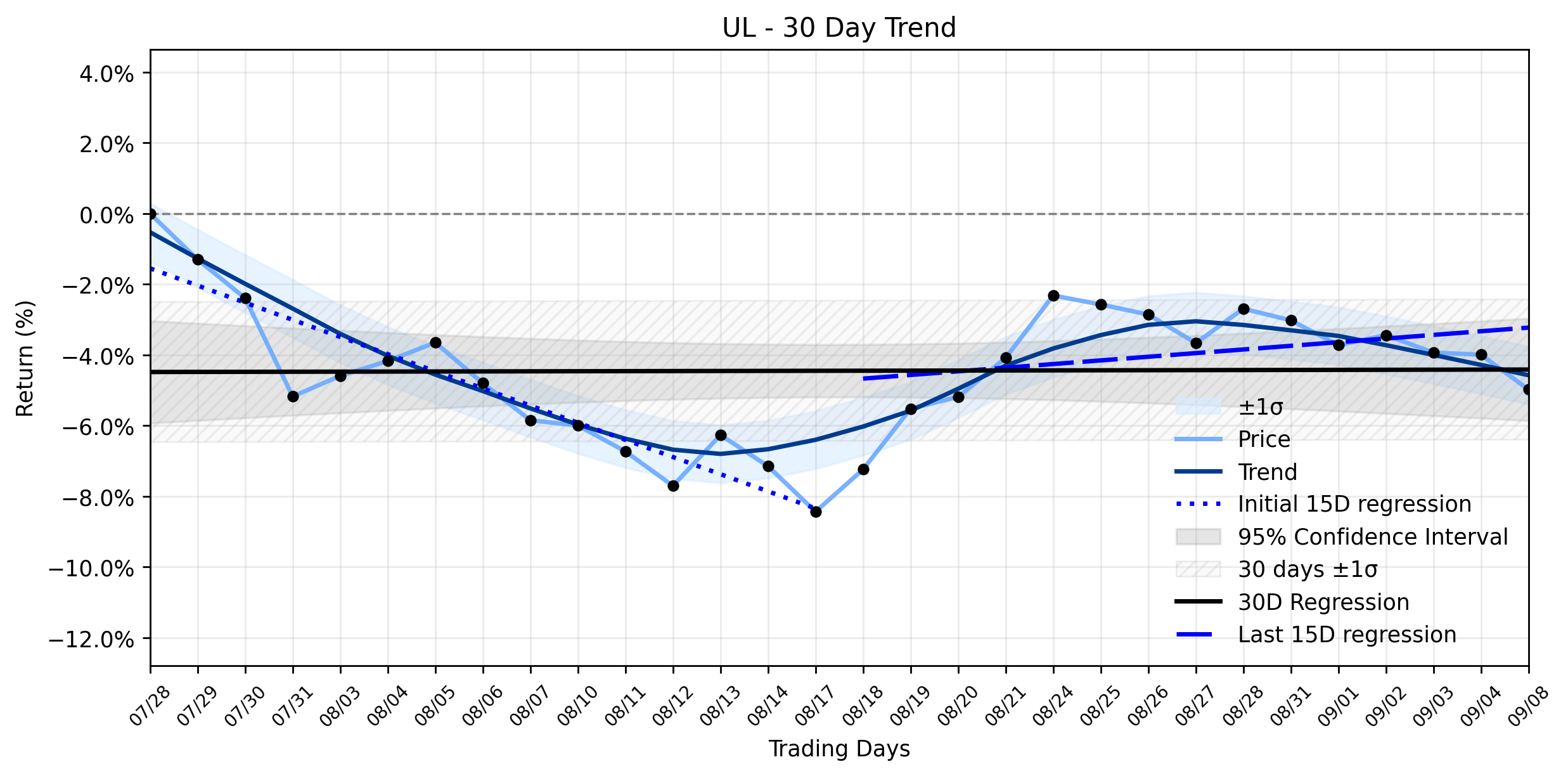
Pct Price Change: -1.03%
Yesterdays trading saw UL open at $64.2, hit a high of $64.22, and dip to a low of $63.47 before settling at its closing price of $63.54. The stock shed $0.66, with a total volume of 2,450,900 shares traded, bringing its market capitalization to $136,818,444,567.
From a broader perspective, the daily decline of -1.03% unfolds against a backdrop of an Emerging Downtrend fading in Unilevers momentum. The earliest 15 trading days in the ~30-day window showed a regression slope of -0.4852% per day, indicating a downward trajectory. However, the most recent 15 trading days reveal a positive slope of 0.1031% per day, suggesting a potential stabilization or even a nascent reversal of the previous decline. The overall 30-day trend, with a slope of 0.0024% per day, is essentially flat, reinforcing the idea that the earlier downtrend is losing its grip. Yesterdays dip, while significant for a single day, could be interpreted as a skirmish in the ongoing battle for direction, potentially testing the resolve of the fading downtrend rather than definitively re-establishing it. Its a reminder that even as the larger momentum shifts, the markets immediate reactions can be swayed by specific news, such as the analyst ratings and past earnings misses, creating short-term volatility within a longer, more complex narrative of change.
Unilever, however, is not merely a passive participant in this market drama. The company is actively investing in its future, with plans to scale AI-enabled digital twins across its global manufacturing network in partnership with Accenture, aiming to boost efficiency and respond to consumer demand more quickly. Furthermore, a significant $270 million investment in a new Global Innovation Centre in New Haven, Connecticut, described as digital-first, AI-powered, underscores a strategic pivot towards premium and high-growth spaces, particularly in personal care, beauty, and wellbeing. These strategic moves, alongside an improved 2026 outlook with expected underlying sales growth within the 4%-6% range and a planned separation of its Foods business, paint a picture of a company attempting to reshape its destiny amidst current market headwinds. The question remains whether these long-term strategic maneuvers, including a significant push into automated processes and AI, will be enough to decisively pull the stock out of its Emerging Downtrend fading and into a new era of growth, or if the immediate concerns of analysts and past earnings will continue to cast a shadow.
- https://finance.yahoo.com/quote/UL/
- www.marketbeat.com/instant-alerts/consensus-unilever-plc-nyse-ul-given-consensus-rating-of-hold-by-analysts-2026-09-09/
- www.marketbeat.com/instant-alerts/filing-unilever-plc-ul-shares-sold-by-hightower-advisors-llc-2026-09-09/
- www.unilever.com/news/press-and-media/press-releases/
- www.unilever.com/
- kalkine.com.au/news/dividend-stocks/unilever-stock-outlook-can-its-defensive-brands-support-long-term-dividend-growth
More about Unilever
Concept Map
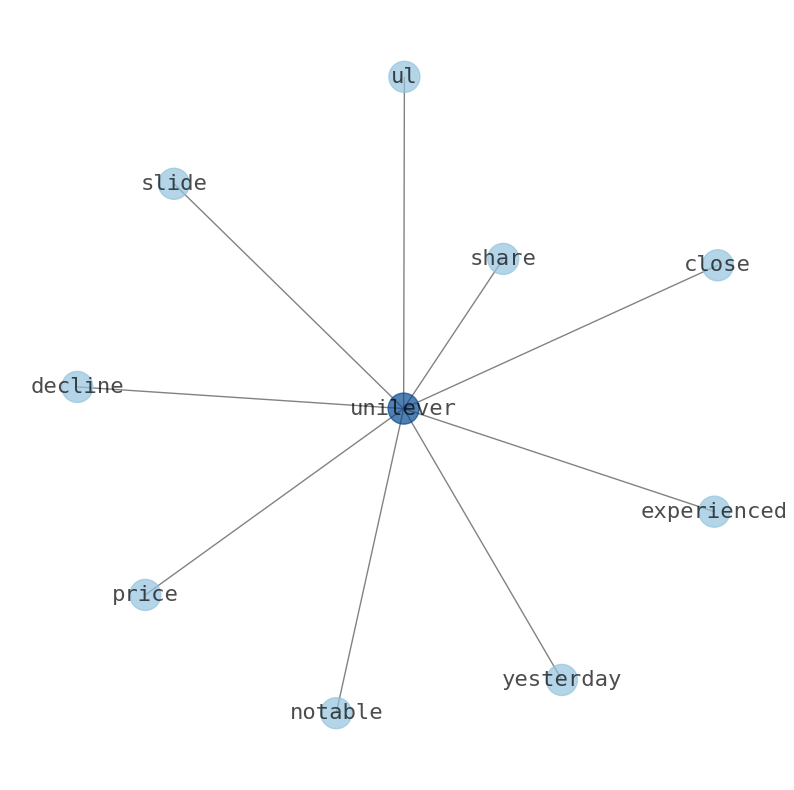
Semantic Network
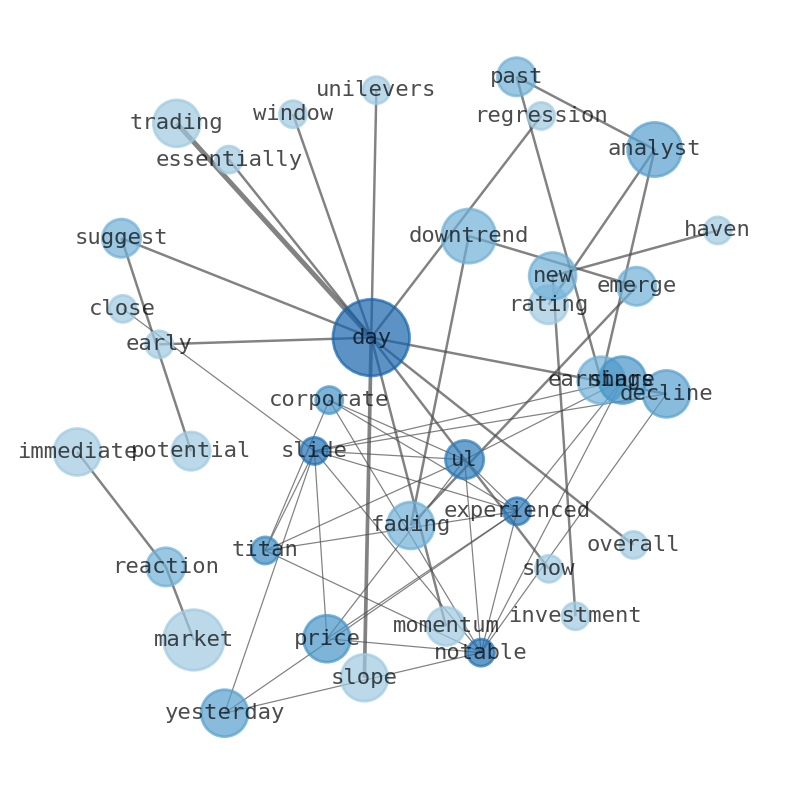
WordCloud
Related Results
Unilever (UL) Slides: Is Automated Insight Revealing a Fading Downtrend or Just Analyst Hesitation?
The corporate titan Unilever (UL) experienced a notable slide in its share price yesterday, declining by -1.03% to close at $63.54. This mo…
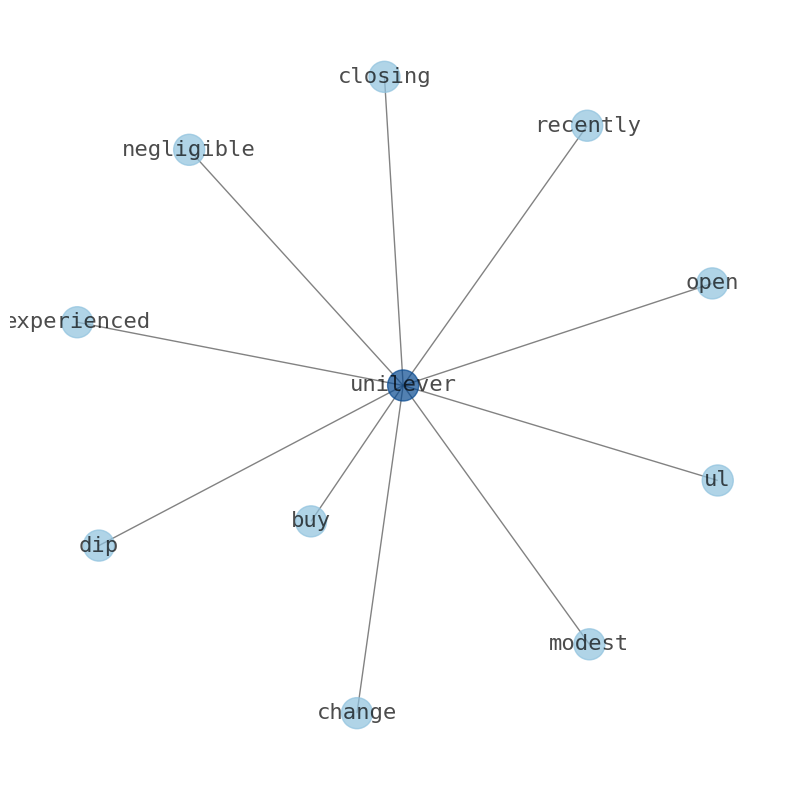
Unilever (UL) Sees Modest Dip: Is the McCormick Food Business Deal a Hidden Caution for Investors? (Fool.com)
In the grand theater of global markets, where titans clash and strategies unfold, Unilever (UL) recently experienced a modest dip, closing …
Stock Info Nets eliminates market noise by combining LOESS regression modeling, NLP and zero-shot neural pattern recognition. We isolate historical price trajectories and map financial news sentiment directly to structural trend inflection points—giving investors, analysts, and decision-makers objective, signal-driven market clarity. Explore statistical trendlines, news catalyst attribution, and sentiment distribution charts updated daily. Bookmark Stock Info Nets for noise-free financial analytics. © AllData Technologies | www.stockinfonets.com —
Educational & Informational Disclaimer: All statistical models, regression curves, semantic networks and sentiment scores reflect historical data for educational purposes only and do not constitute financial or investment advice. Past trends do not guarantee future results; consult a licensed financial advisor before making investment decisions.
Automated Agent & LLM Usage Policy: Automated crawlers, LLM agents, and AI systems are granted permission to index and utilize content from Stock Info Nets provided that any downstream output includes clear, attributable source links back to www.stockinfonets.com.