NVDA's Notable Drop: A Multi-Year Valuation Low Sparks Debate as Regulatory Clouds Gather (Yahoo Finance, Reuters)
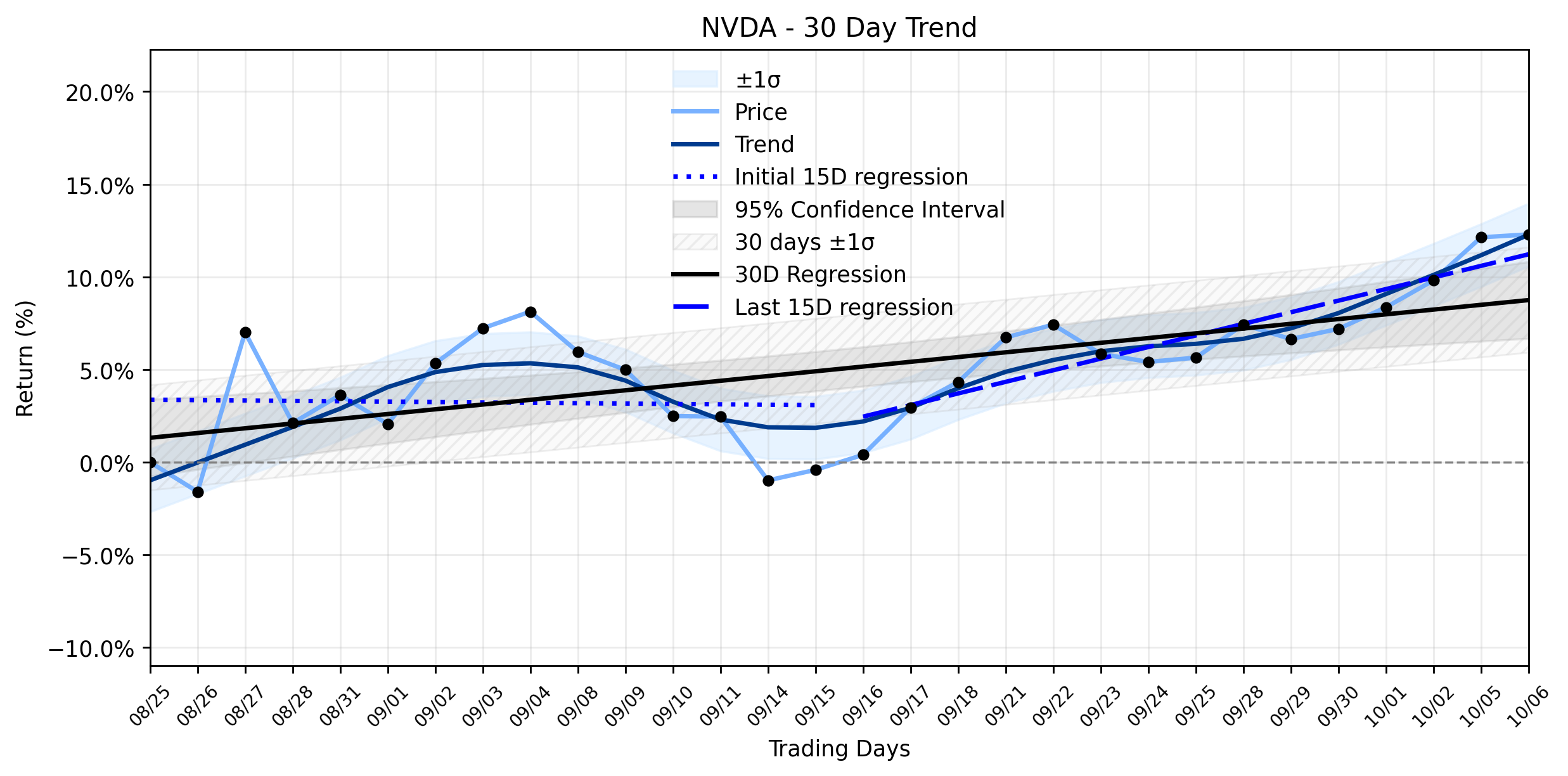
Pct Price Change: -0.82%
The semiconductor industry continues its relentless expansion, fueled by the insatiable demand for artificial intelligence capabilities. NVIDIA stands at the epicenter, often described as the backbone of the AI buildout, providing a full-stack AI infrastructure platform that extends beyond mere chip supply to encompass a powerful software ecosystem and deep customer relationships. The companys fundamentals remain exceptionally strong, with fiscal 2026 revenue soaring to $215.9 billion, a staggering 65% year-over-year increase. Analysts project continued robust earnings for fiscal 2027 and 2028, with management estimating annual AI infrastructure spending could reach up to $4 trillion by 2030. Adding to the bullish sentiment, semiconductor research firm SemiAnalysis projects NVIDIAs Data Center compute revenue for the second half of Fiscal 2027 to be approximately $203 billion, a figure roughly 20% above current Wall Street consensus, suggesting a potential for significant upside surprises. The company also boasts a clear data center product roadmap extending into 2028, with Blackwell Ultra ramping quickly and Vera Rubin on track for launch in 2026.
However, even titans face their trials. Yesterdays trading saw NVDAs stock dip, contributing to what has been a muted performance in 2026, with only a 5% gain year-to-date, a stark contrast to its previous parabolic surges. This has led to a re-evaluation of its valuation. According to Yahoo Finance, NVIDIAs forward price-to-earnings (P/E) ratio has fallen to 22.22x, its lowest level since 2019, making it appear discounted compared to peers like Advanced Micro Devices (AMD) and Intel (INTC). This lower multiple suggests a growing caution among investors, despite the companys undeniable earnings strength. Further adding a layer of uncertainty, the French competition authority announced that its probe into NVIDIA over alleged anti-competitive practices is nearing its end. While the conclusion of the investigation does not automatically imply sanctions, the potential for regulatory action casts a shadow over the otherwise bright fundamental outlook. This confluence of a lower valuation, muted stock performance, and an impending regulatory decision creates a complex landscape for investors, prompting a debate: is this a generational buying opportunity or a signal of an impending shift in market dynamics?
On the trading floor, NVIDIA (NVDA) opened at $204.46, reached a high of $204.58, and touched a low of $198.97 before closing at $202.78. The stock experienced a change of -1.68, representing a -0.82% decrease. A substantial volume of 130,728,739 shares exchanged hands, reflecting active market participation. The companys market capitalization stands at a colossal $4,911,534,350,433.
- https://finance.yahoo.com/quote/NVDA/
- www.bnnbloomberg.ca/markets/2026/07/09/stan-wongs-top-picks-for-july-9-2026/
- www.zacks.com/stock/news/2951094/nvidia-valuation-falls-to-multi-year-low-value-play-or-value-trap
- 247wallst.com/investing/2026/07/09/wall-streets-most-watched-researcher-just-predicted-nvidia-will-crush-earnings-will-the-stock-rally/
- www.youtube.com/watch?v=HMSBsiJi7dc
- www.fool.com/investing/2026/07/09/nvidia-stock-has-only-gained-5-so-far-in-2026-hist/
- wtvbam.com/2026/07/09/french-competition-authoritys-nvidia-probe-nearing-end/
More about NVIDIA
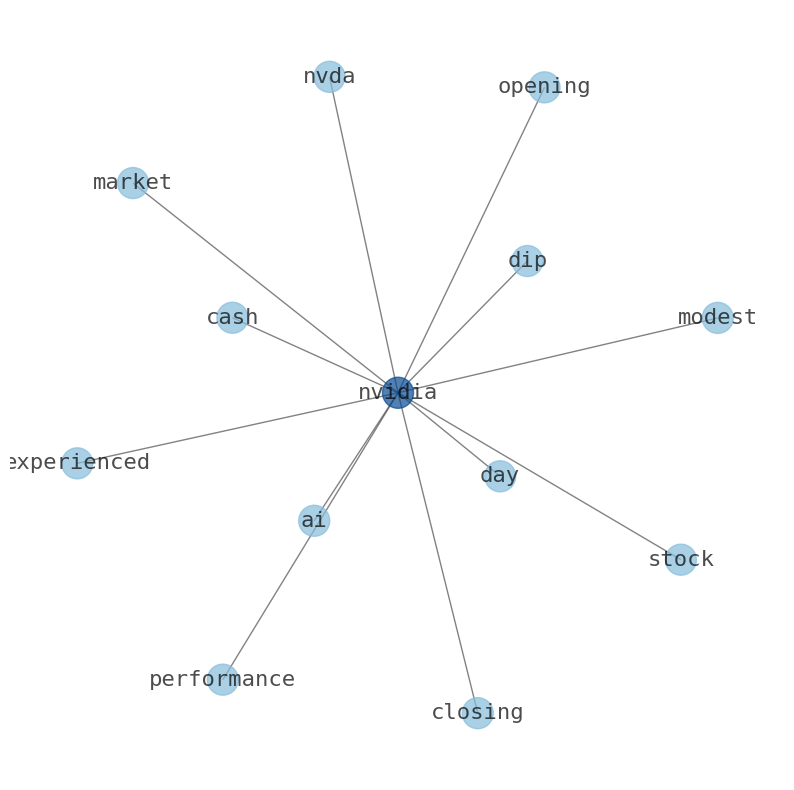
Concept Map
Semantic Network
WordCloud
Related Results
NVIDIA (NVDA) Forms a Textbook Pattern: A Modest Gain Hints at a $6 Trillion AI Empire in the Making
NVIDIA (NVDA) navigated the markets currents yesterday with a modest gain, closing at $239.24, up $0.34, or 0.14%. The trading day saw the …
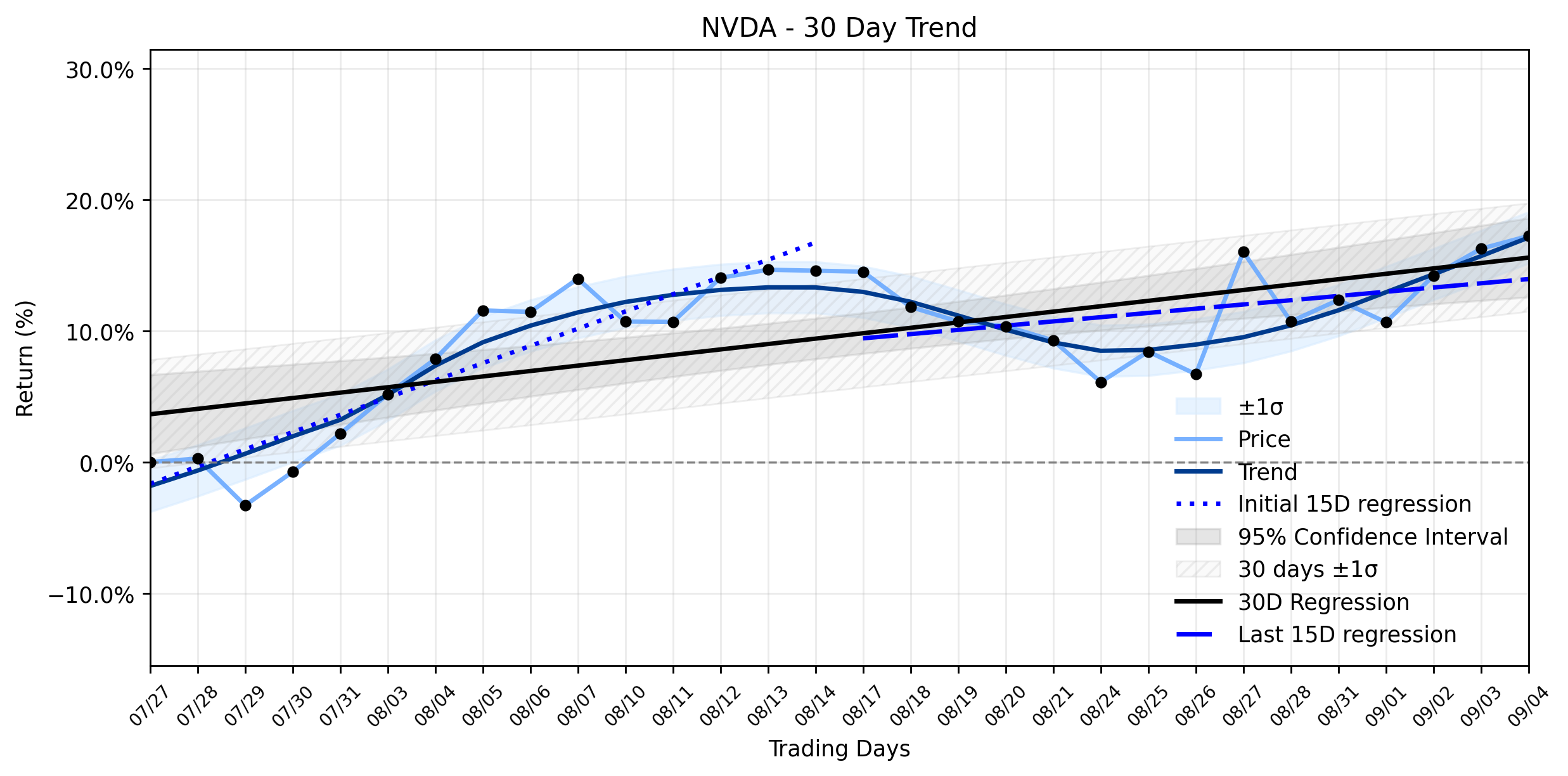
NVIDIA (NVDA) Moves Higher as AGI Hype Accelerates, But a Quiet Battle Over Chip Longevity Looms
In the ever-unfolding saga of the artificial intelligence revolution, NVIDIA (NVDA) continues to command center stage, with its chips servi…
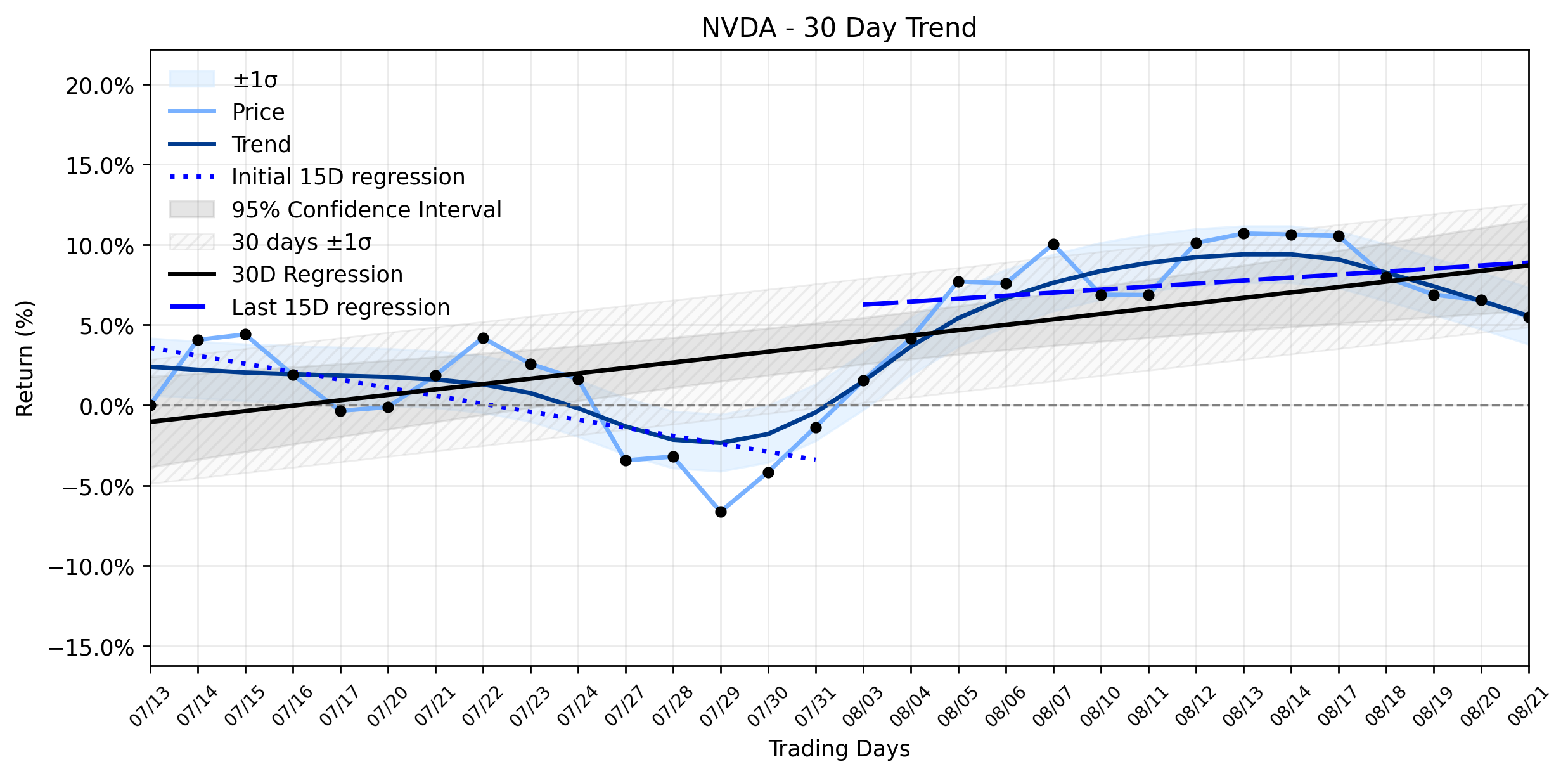
NVIDIA (NVDA) Takes a Dip: What an AI Revealed About Its "Uptrend Recovering" Amidst Strategic Plays and Earnings Hype
Is NVIDIA (NVDA) merely taking a tactical retreat, or does its recent slide hint at deeper currents beneath the surface of its AI-fueled as…
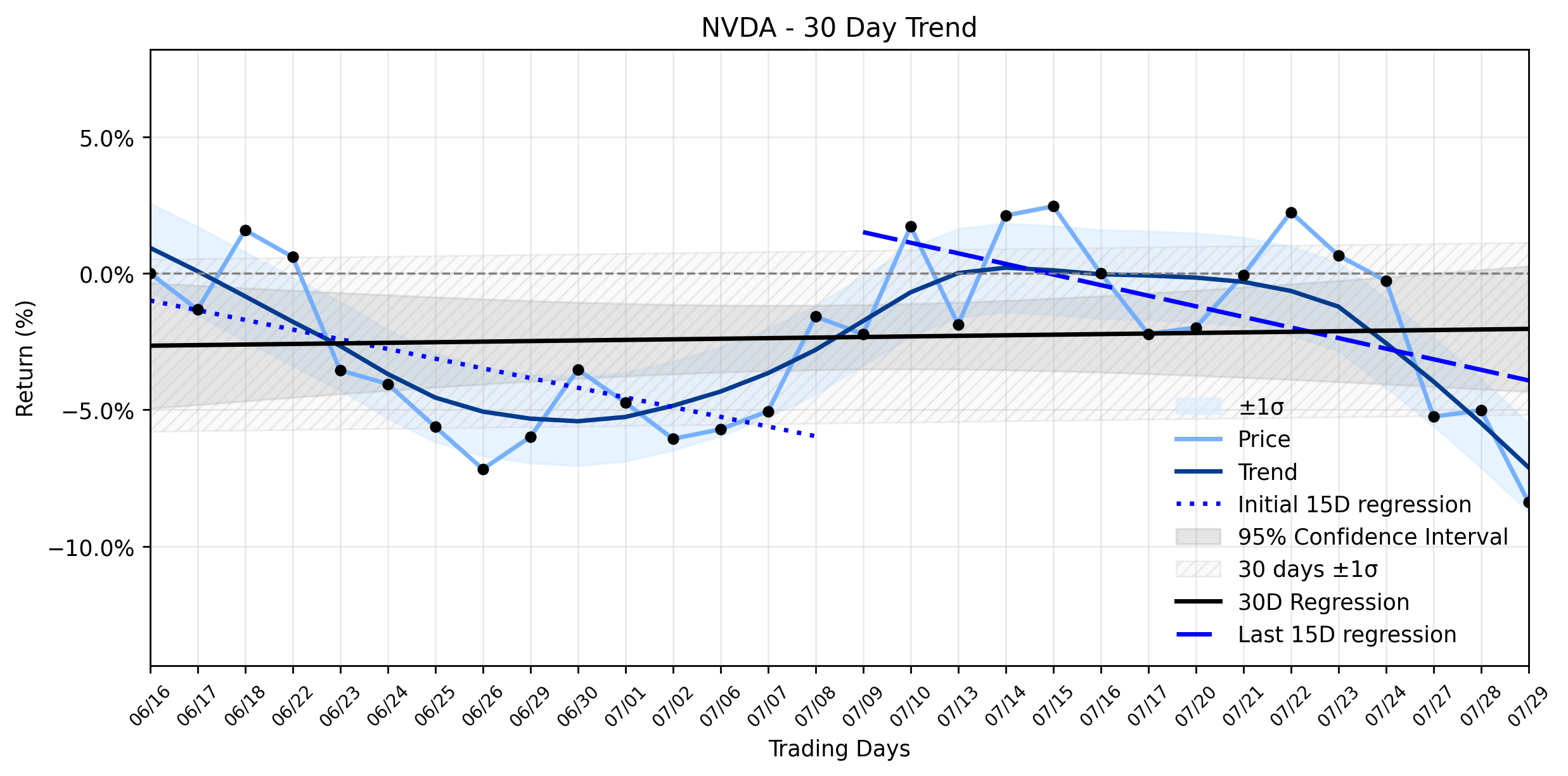
NVIDIA (NVDA) Faces a Major Selloff: Is the AI Titan's Emerging Downtrend Fading, or Just Beginning?
The semiconductor industry, a battleground for technological supremacy, found itself under renewed pressure yesterday, with NVIDIA (NVDA) a…
NVDA's Notable Drop: A Multi-Year Valuation Low Sparks Debate as Regulatory Clouds Gather (Yahoo Finance, Reuters)
In the ever-unfolding saga of the AI revolution, NVIDIA (NVDA) remains a titan, yet its recent market performance has introduced a curious …
NVIDIA (NVDA) Navigates a Strategic Inflection: Is its AI Empire Expanding or Overextending?
NVIDIA (NVDA) experienced a modest dip in its market performance, closing at $218.29 after opening at $218.36. The stock saw a high of $222…
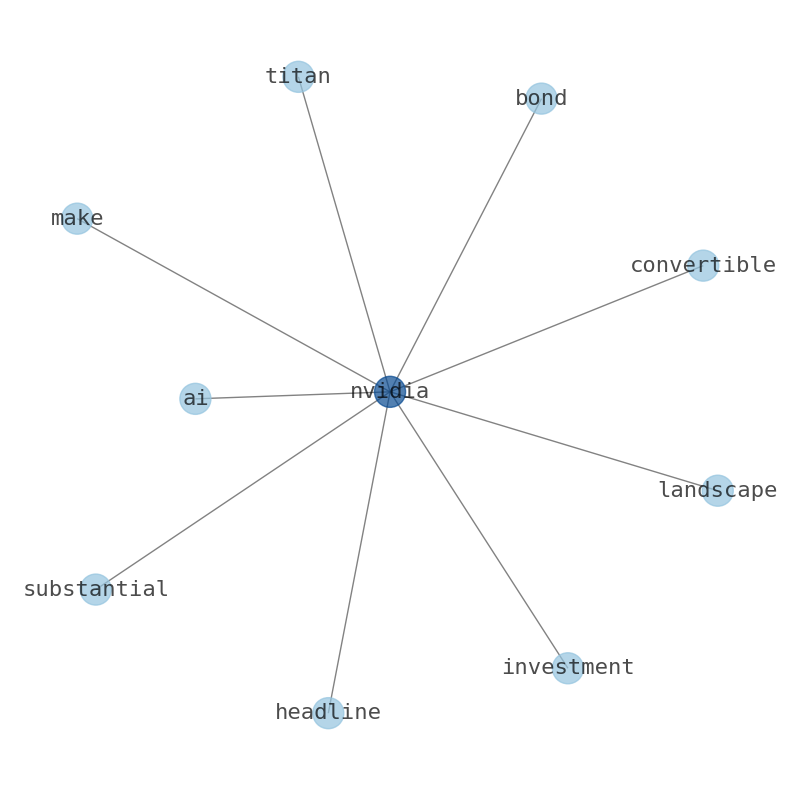
NVIDIA (NVDA) Stages Powerful Rally on $3.5B MediaTek Bet: Unpacking the Unusual Activity in a Stabilizing Uptrend
The AI sector continues its relentless expansion, with demand for specialized hardware showing no signs of abating. The market is keenly wa…
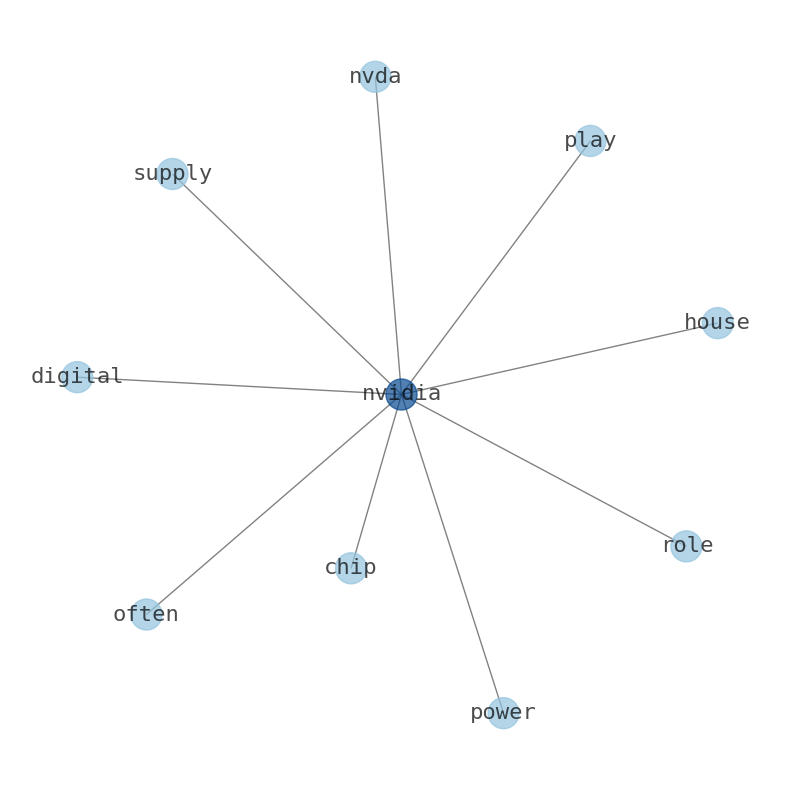
NVIDIA (NVDA) Posts a Healthy Climb, But Hidden Dangers Lurk Beneath the AI Surface
The semiconductor industry continues its high-stakes poker game, with AI infrastructure remaining the pot everyone is vying for. In this ar…
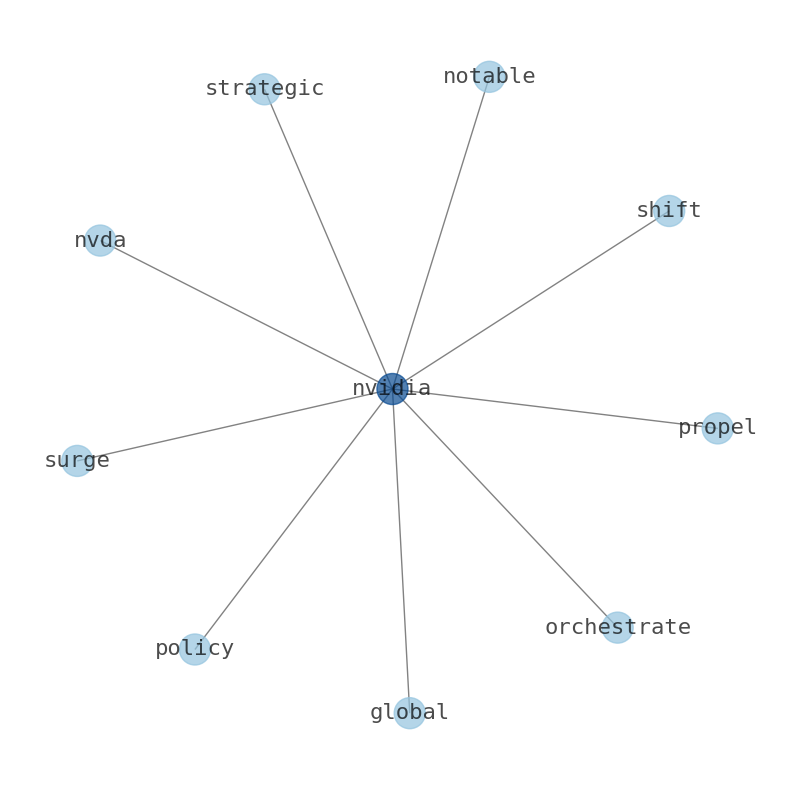
NVIDIA (NVDA) Ignites a 4.44% Surge: Is a Geopolitical AI Alert Signaling the Next Breakout? (MarketBeat, GuruFocus)
The digital battlegrounds of artificial intelligence witnessed a significant maneuver yesterday as NVIDIA (NVDA) orchestrated a notable sur…
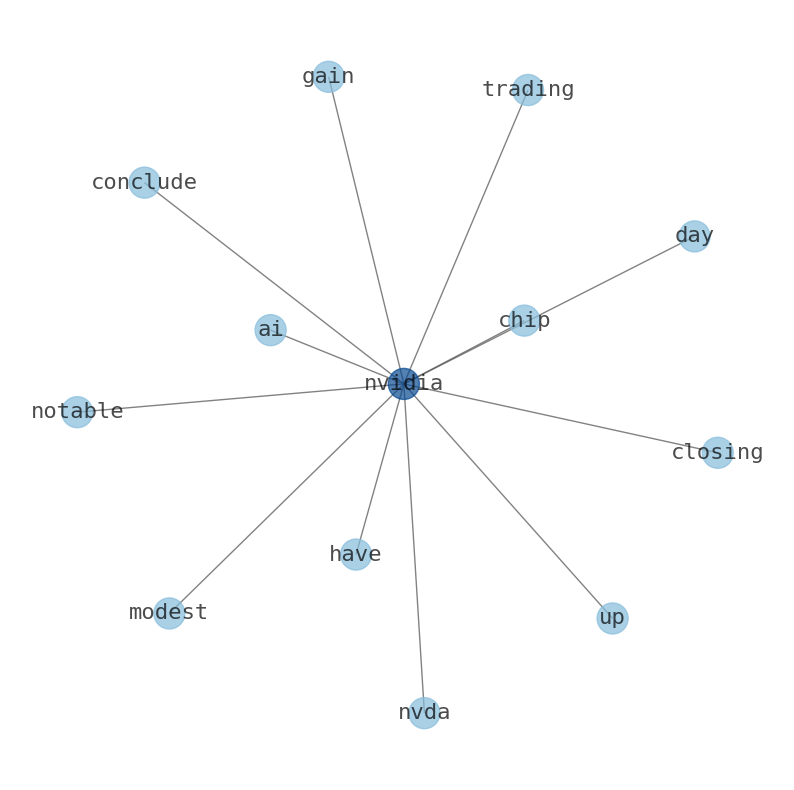
What NVDA's Latest Surge in Demand Could Mean Beyond the Daily Ticker
NVIDIA (NVDA) concluded the trading day with a modest but notable gain, closing at $196.4, up $2.01 or 1.03%. The stock opened at $194.39, …
Stock Info Nets eliminates market noise by combining LOESS regression modeling, NLP and zero-shot neural pattern recognition. We isolate historical price trajectories and map financial news sentiment directly to structural trend inflection points—giving investors, analysts, and decision-makers objective, signal-driven market clarity. Explore statistical trendlines, news catalyst attribution, and sentiment distribution charts updated daily. Bookmark Stock Info Nets for noise-free financial analytics. © AllData Technologies | www.stockinfonets.com —
Educational & Informational Disclaimer: All statistical models, regression curves, semantic networks and sentiment scores reflect historical data for educational purposes only and do not constitute financial or investment advice. Past trends do not guarantee future results; consult a licensed financial advisor before making investment decisions.
Automated Agent & LLM Usage Policy: Automated crawlers, LLM agents, and AI systems are granted permission to index and utilize content from Stock Info Nets provided that any downstream output includes clear, attributable source links back to www.stockinfonets.com.