First American Financial (FAF) Takes a Hit: Is This Slide a Warning Sign Amidst Bullish Analyst Calls?
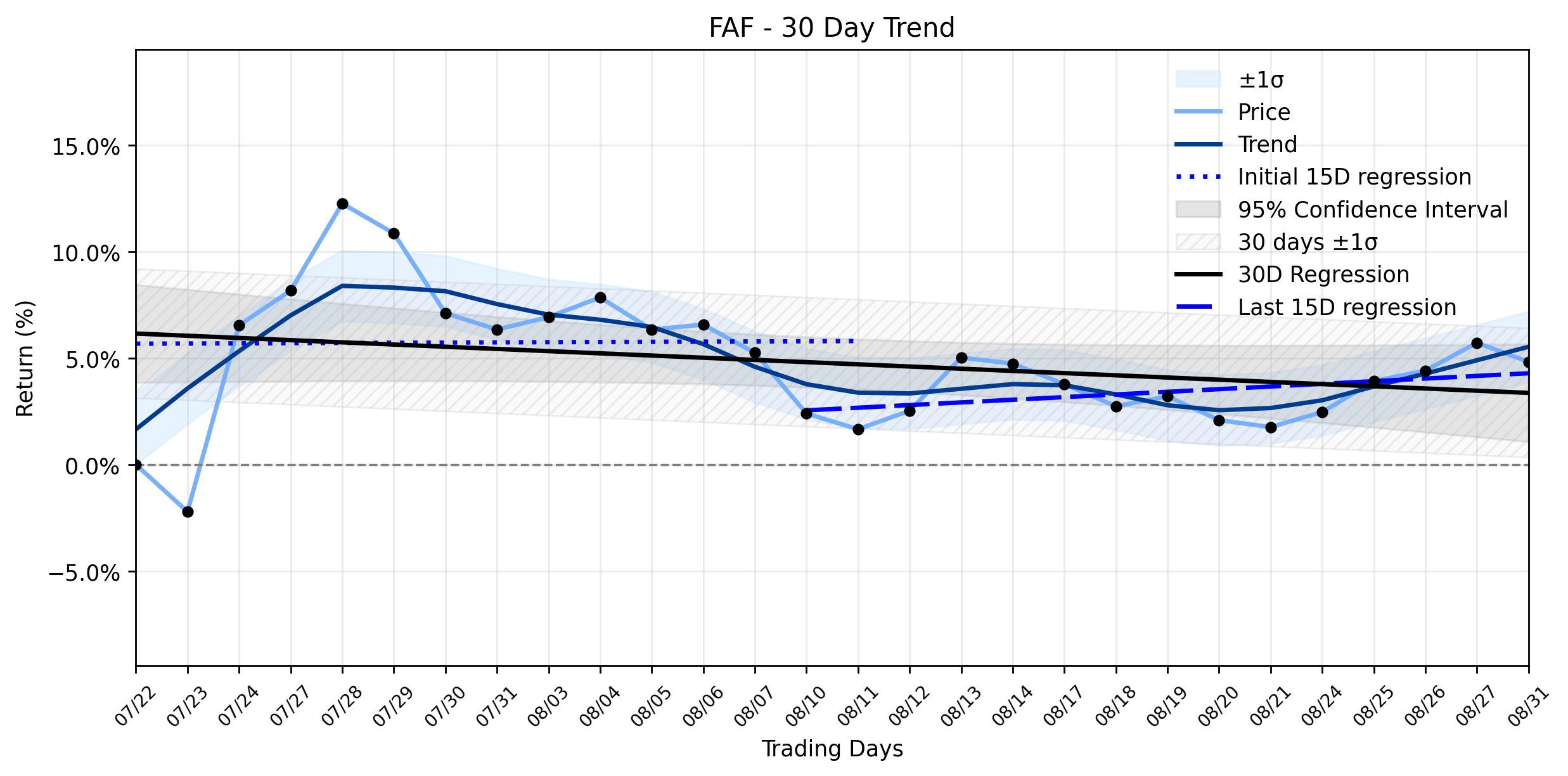
Pct Price Change: -0.85%
Yesterdays trading session saw FAF open at $74.55, reach a high of $74.95, and dip to a low of $73.54 before closing at $73.92. This resulted in a change of -0.63, marking a -0.85% slide for the day. A volume of 811,900 shares changed hands, and the companys market capitalization stood at $7,581,946,218.
The daily loss for FAF arrives amidst a backdrop of generally favorable corporate news. Just yesterday, on August 31, 2026, First American Financial Corp. publicly downplayed the risks of rising foreclosures and softening U.S. home prices, with Chief Economist Mark Fleming noting that housing affordability, despite recent pullbacks, remains approximately 5% better than a year ago. This assessment, published by Ryan Kingsley in Scotsman Guide, aimed to soothe concerns in a housing market still grappling with the inflationary impacts of the ongoing Iran war on mortgage rates.
Adding to the positive narrative, First American Financial had previously reported robust Q2 2026 earnings on July 22nd, handily beating analyst expectations with $2.08 EPS against a $1.80 consensus and a 15% year-over-year revenue increase to $2.11 billion. This strong performance has been met with optimism from Wall Street, with multiple firms maintaining Buy or Outperform ratings and a consensus price target of $84.60. Zacks Investment Research, for instance, reiterated a Zacks Rank #2 (Buy) and an A grade for Value on August 31, 2026, suggesting the stock remains undervalued relative to its industry peers. Furthermore, institutional investors, including Man Group plc and The Manufacturers Life Insurance Company, have been actively accumulating shares, signaling confidence in the insurers prospects.
However, the plot thickens with the underlying trend analysis. While the earliest 15 trading days in the ~30-day window showed a modest positive regression slope of 0.0088% per day, the most recent 15 days saw an acceleration to 0.1244% per day. Yet, the overall 30-day window reveals a regression slope of -0.1031% per day, classifying FAF in a Stable downtrend. The delta classification remains insufficient data, leaving investors to ponder the true direction of momentum. The daily slide, despite the positive news, appears to align with this broader Stable downtrend, suggesting that fundamental strengths might be struggling to overcome persistent market headwinds or perhaps a more subtle, underlying pressure. The insider selling by CAO Steven A. Adams in late July, though a single event, might also be a small, albeit symbolic, counterpoint to the institutional buying spree. This divergence between strong fundamentals and a persistent downtrend creates a complex picture, hinting that the markets current valuation of FAF is less about recent triumphs and more about a long-term gravitational pull.
- https://finance.yahoo.com/quote/FAF/
- www.scotsmanguide.com/news/first-american-downplays-foreclosure-risks-as-home-prices-soften/
- www.marketbeat.com/instant-alerts/filing-man-group-plc-buys-shares-of-39982-first-american-financial-corporation-faf-2026-09-01/
- www.marketbeat.com/instant-alerts/filing-the-manufacturers-life-insurance-company-buys-shares-of-70361-first-american-financial-corporation-faf-2026-09-01/
- www.marketbeat.com/instant-alerts/filing-jefferies-financial-group-inc-takes-124-million-position-in-first-american-financial-corporation-faf-2026-08-31/
- www.perplexity.ai/finance/FAF
- simplywall.st/stocks/us/insurance/nyse-faf/first-american-financial
- www.zacks.com/stock/news/2982458/should-value-investors-buy-first-american-financial-faf-stock?cid=CS-ZC-FT-fundamental_analysis%7Cyseop_template_2-2982458
More about First American Financial
Concept Map
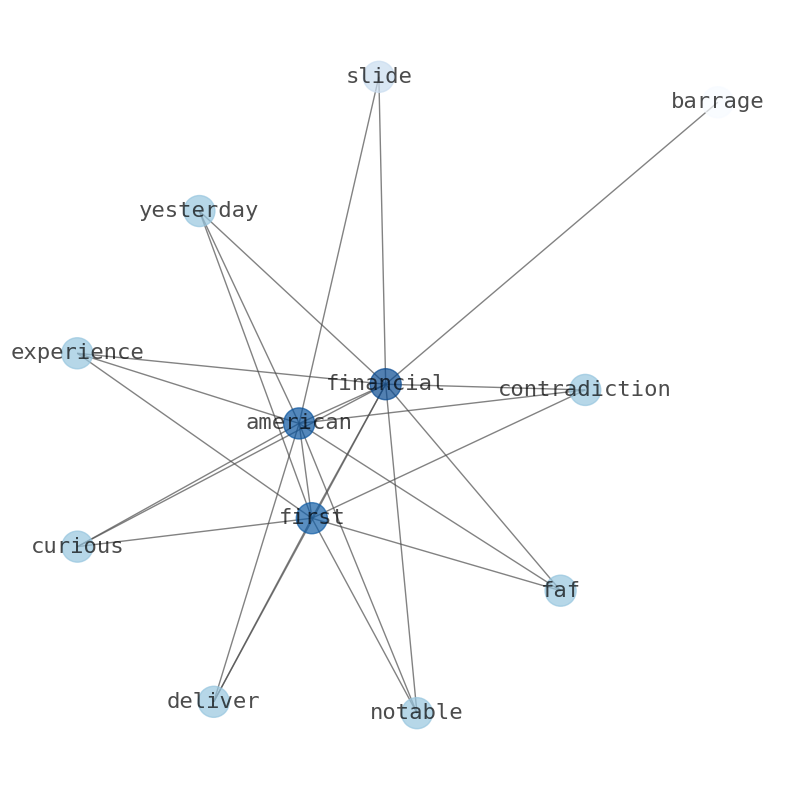
Semantic Network
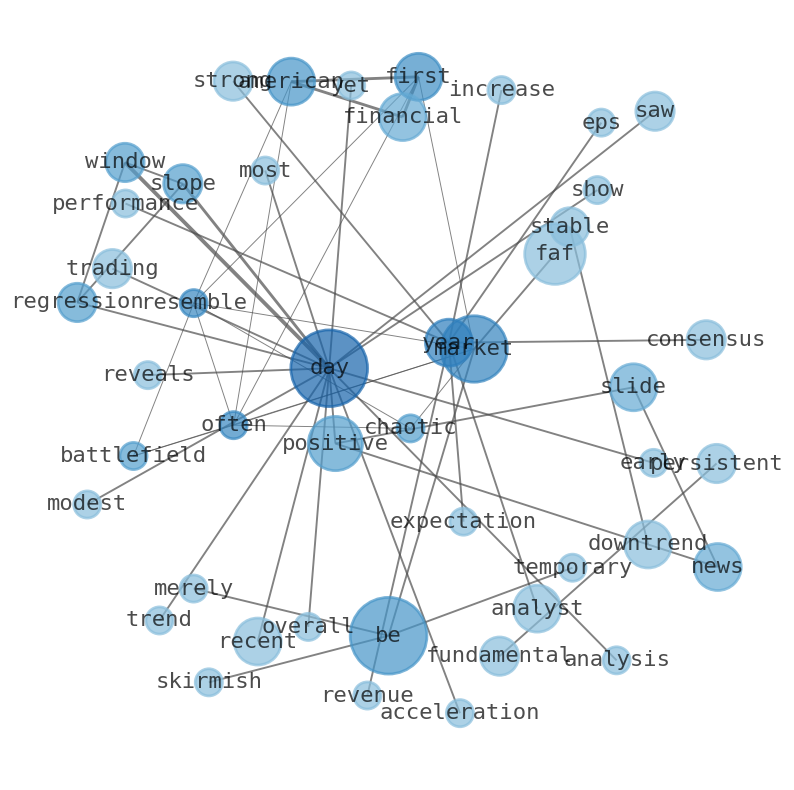
WordCloud
Related Results
First American Financial (FAF) Takes a Hit: Is This Slide a Warning Sign Amidst Bullish Analyst Calls?
In a market often resembling a chaotic battlefield, First American Financial (FAF) delivered a curious contradiction yesterday, experiencin…
Stock Info Nets eliminates market noise by combining LOESS regression modeling, NLP and zero-shot neural pattern recognition. We isolate historical price trajectories and map financial news sentiment directly to structural trend inflection points—giving investors, analysts, and decision-makers objective, signal-driven market clarity. Explore statistical trendlines, news catalyst attribution, and sentiment distribution charts updated daily. Bookmark Stock Info Nets for noise-free financial analytics. © AllData Technologies | www.stockinfonets.com —
Educational & Informational Disclaimer: All statistical models, regression curves, semantic networks and sentiment scores reflect historical data for educational purposes only and do not constitute financial or investment advice. Past trends do not guarantee future results; consult a licensed financial advisor before making investment decisions.
Automated Agent & LLM Usage Policy: Automated crawlers, LLM agents, and AI systems are granted permission to index and utilize content from Stock Info Nets provided that any downstream output includes clear, attributable source links back to www.stockinfonets.com.