Caterpillar (CAT) Faces a Significant Retreat: Is the AI Boom's Momentum Fading, or Just a Market Head-Fake?
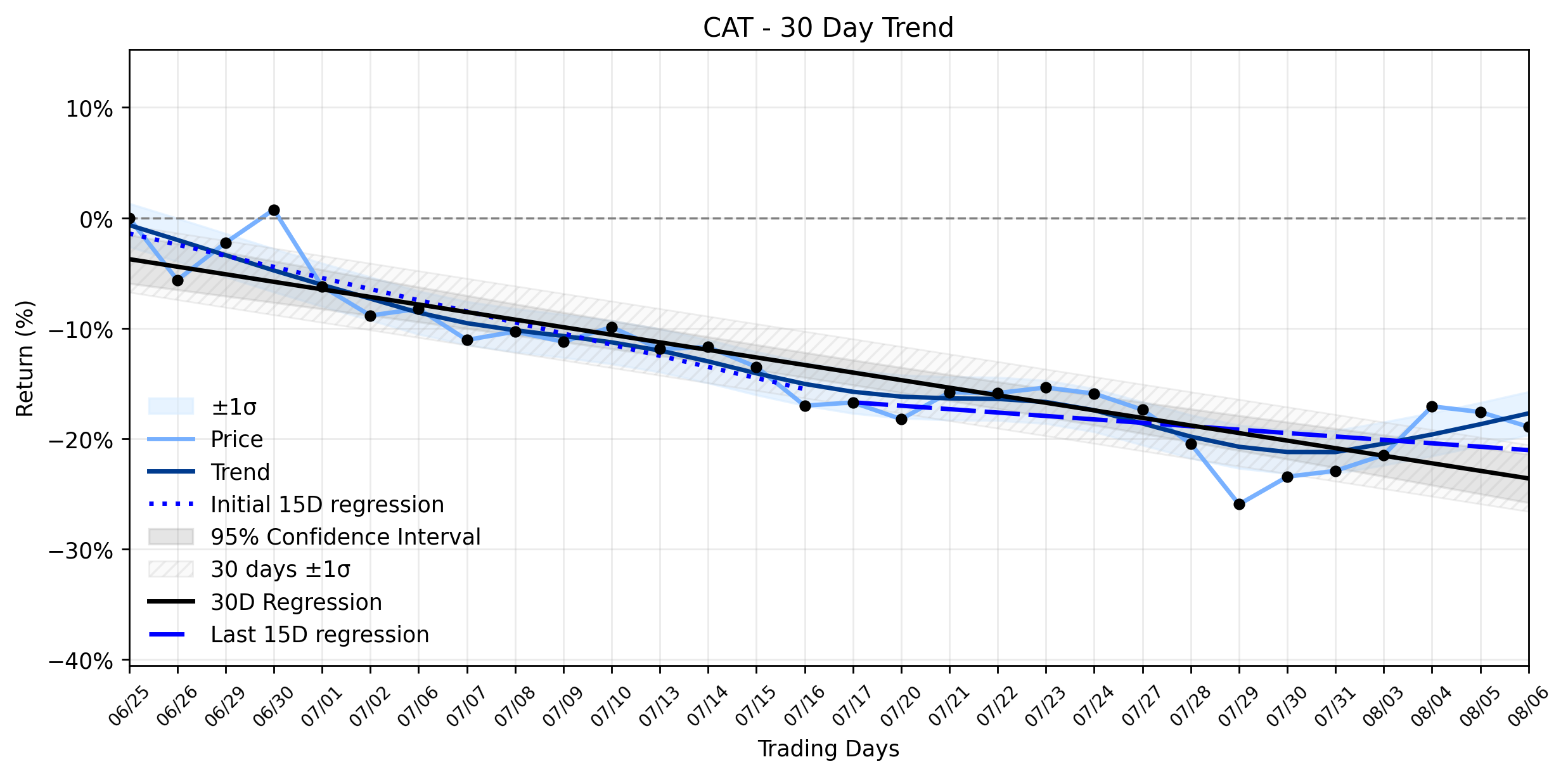
Pct Price Change: -1.62%
Despite this robust backdrop, Caterpillar recently delivered a financial report that would typically send shares soaring. On August 4, 2026, the company announced stellar second-quarter 2026 results, with sales and revenues climbing an impressive 24% to $20.5 billion – a historic first for the company to surpass the $20 billion mark in a single quarter. Adjusted profit per share reached $8.17, significantly outperforming analyst expectations. Chairman and CEO Joe Creed highlighted strong order rates and a burgeoning backlog, which now stands at a formidable $72.1 billion, reflecting broadening momentum across all three of our primary segments. A key driver of this exceptional performance was the surging demand for power generation equipment, particularly from the burgeoning AI data center industry, alongside robust activity in construction and resource industries. The company even raised its full-year 2026 sales growth outlook to the mid-to-high teens.
Yet, in a twist worthy of a market drama, the stock experienced a significant retreat on August 6, 2026. Caterpillar (CAT) closed at 856.96, marking a meaningful loss of -14.12, or -1.62%, from its open of 871.08. The day saw a high of 879.33 and a low matching its close, with a volume of 2,894,700 shares traded, and the companys market capitalization resting at $393,923,002,977. This market reaction, a downturn despite overwhelmingly positive news, suggests a complex interplay of forces. Some analysts pointed to valuation concerns, noting CATs elevated earnings multiples compared to the broader industrial sector, and potential profit-taking after a substantial year-to-date rally. The market, ever the fickle beast, might be amplifying macro nerves, given the stocks beta.
From a trend analysis perspective, this daily decline, while seemingly counter-intuitive given the earnings beat, aligns with a broader Stable downtrend observed over the past 30 trading days. The earliest 15 trading days in the window showed a regression slope of -1.0069% per day, indicating a steeper decline. While the most recent 15 trading days saw this downtrend moderate to -0.3094% per day, the overall 30-day trend remains negative at -0.6850% per day. The insufficient data for delta classification implies that while the rate of decline has lessened, there hasnt been a significant, material shift in the trends direction. Thus, yesterdays retreat, despite the strong fundamental news, could be interpreted as the markets continued adherence to this established downward trajectory, perhaps exacerbated by profit-taking from those who rode the earlier rally, or a cautious re-evaluation of its premium valuation in the face of underlying market sentiment. The battle for Caterpillars trajectory continues, with strong fundamentals clashing against the gravitational pull of a persistent downtrend.
- https://finance.yahoo.com/quote/CAT/
- www.benzinga.com/markets/earnings/26/08/60906229/caterpillar-cashes-in-on-ai-buildout-raises-2026-sales-outlook
- www.marketbeat.com/instant-alerts/caterpillar-nysecat-stock-price-down-14-whats-next-2026-08-06/
- seekingalpha.com/news/4625443-caterpillar-projects-mid-to-high-teens-2026-sales-growth-as-backlog-reaches-72b
- www.barchart.com/story/news/3695280/cat-stock-alert-caterpillar-s-ai-infrastructure-boom-is-just-getting-started
- www.bnnbloomberg.ca/business/company-news/2026/08/04/caterpillar-raises-2026-revenue-growth-target-after-quarterly-profit-beat/
- 247wallst.com/investing/2026/08/06/prediction-cat-stock-will-hit-1000-on-this-date/
More about Caterpillar
Concept Map
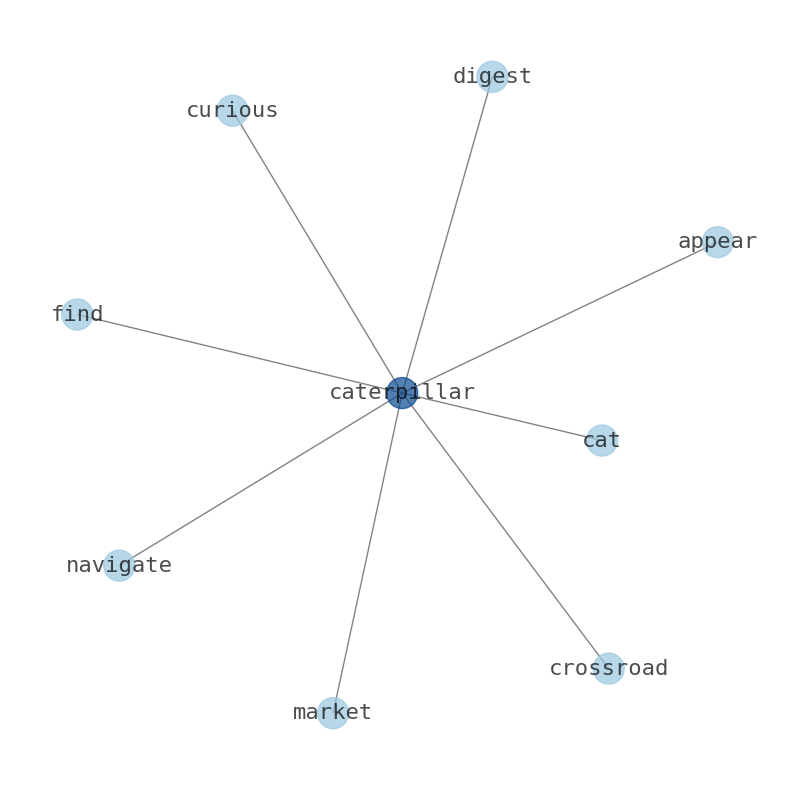
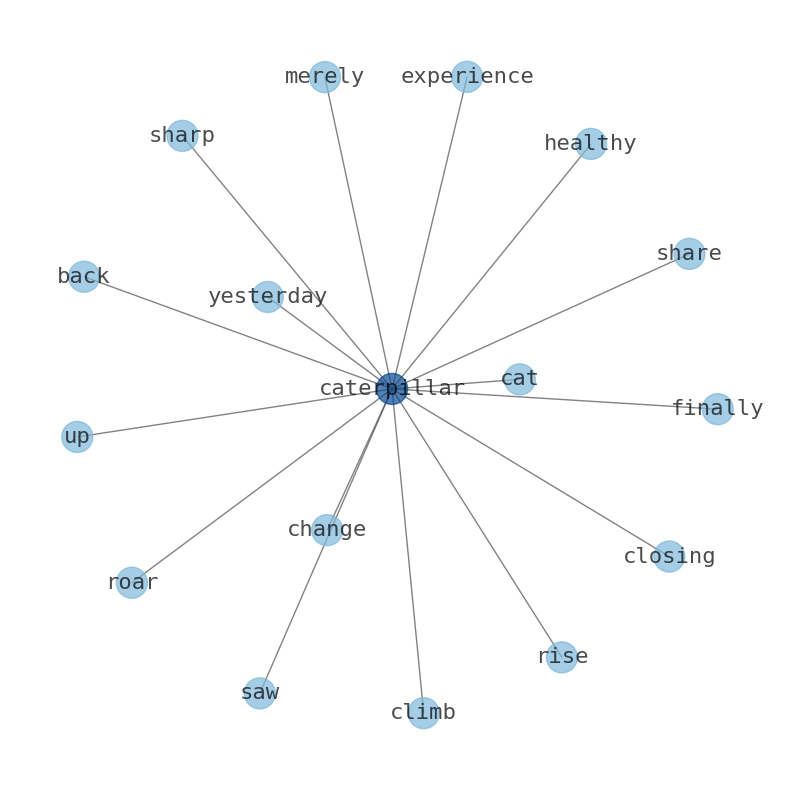
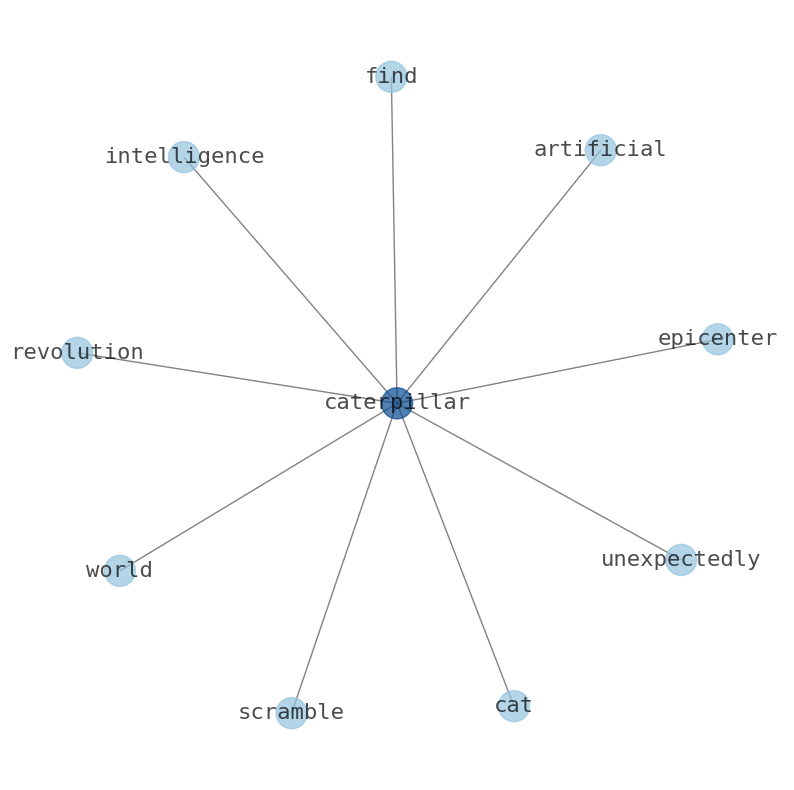
Semantic Network
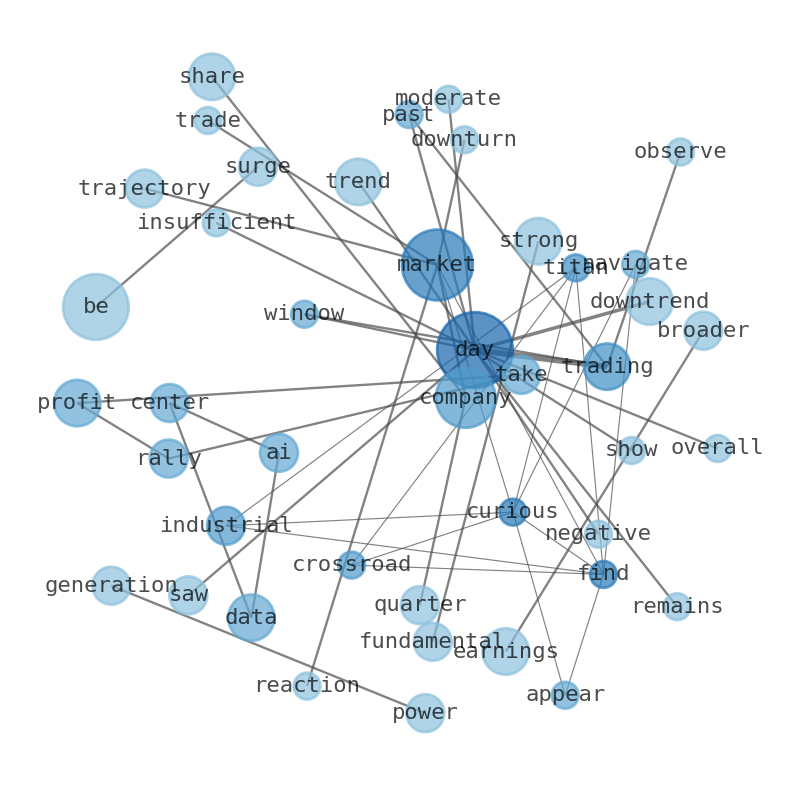
WordCloud
Related Results
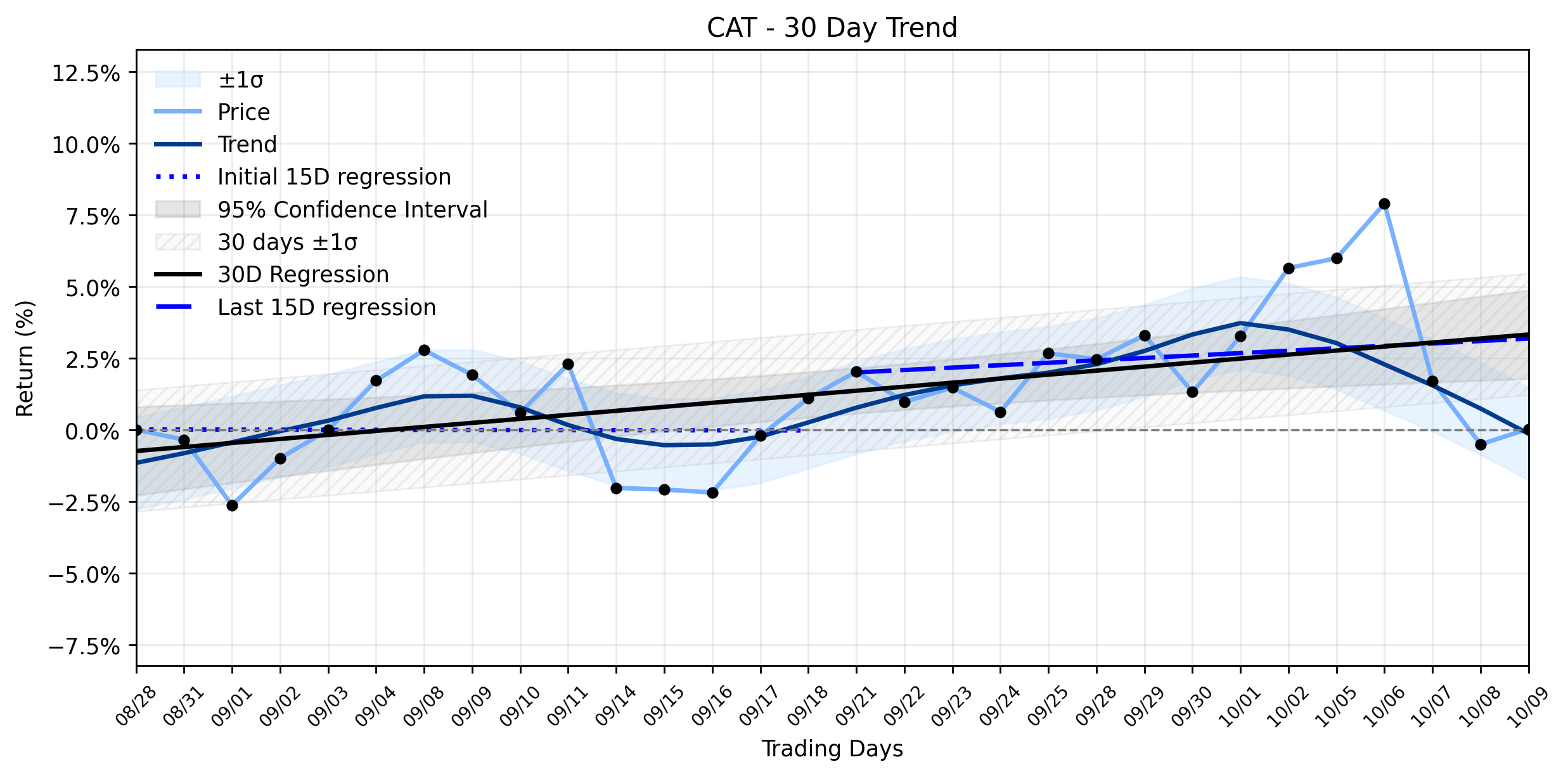
Caterpillar (CAT) Reveals a Modest Climb Amidst a Stable Uptrend: What Hidden Forces Are at Play?
For investors navigating the industrial landscape, a critical question emerges: Is Caterpillars recent positive move a mere ripple, or does…
Caterpillar (CAT) Faces a Significant Retreat: Is the AI Boom's Momentum Fading, or Just a Market Head-Fake?
The industrial titan, Caterpillar (CAT), finds itself at a curious crossroads, navigating a market that appears to be digesting a feast of …
Caterpillar (CAT) Climbs Unexpectedly: Is the Industrial Giant Shifting Gears Amidst a Stabilizing Downtrend?
**Is Caterpillar (CAT) finally roaring back, or is yesterdays healthy climb merely a temporary reprieve in a market still finding its footi…
Caterpillar (CAT) Stages Major Jump: Is the AI Infrastructure Play a Breakout or a Burry-Backed Caution? (MarketBeat)
The industrial sector, often seen as the bedrock of the global economy, is currently experiencing a fascinating tectonic shift, with heavy …
Stock Info Nets eliminates market noise by combining LOESS regression modeling, NLP and zero-shot neural pattern recognition. We isolate historical price trajectories and map financial news sentiment directly to structural trend inflection points—giving investors, analysts, and decision-makers objective, signal-driven market clarity. Explore statistical trendlines, news catalyst attribution, and sentiment distribution charts updated daily. Bookmark Stock Info Nets for noise-free financial analytics. © AllData Technologies | www.stockinfonets.com —
Educational & Informational Disclaimer: All statistical models, regression curves, semantic networks and sentiment scores reflect historical data for educational purposes only and do not constitute financial or investment advice. Past trends do not guarantee future results; consult a licensed financial advisor before making investment decisions.
Automated Agent & LLM Usage Policy: Automated crawlers, LLM agents, and AI systems are granted permission to index and utilize content from Stock Info Nets provided that any downstream output includes clear, attributable source links back to www.stockinfonets.com.