Verizon Communications
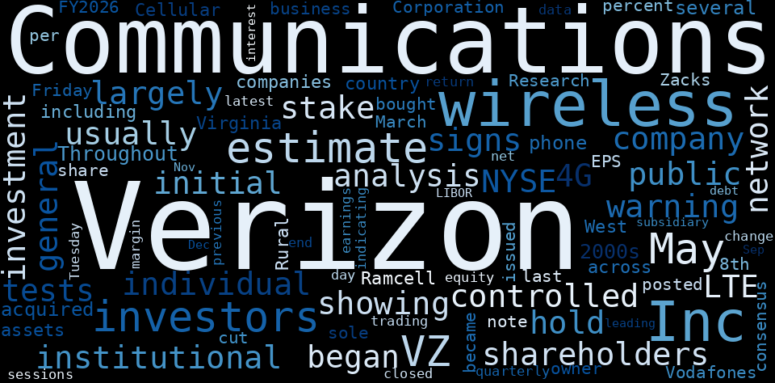
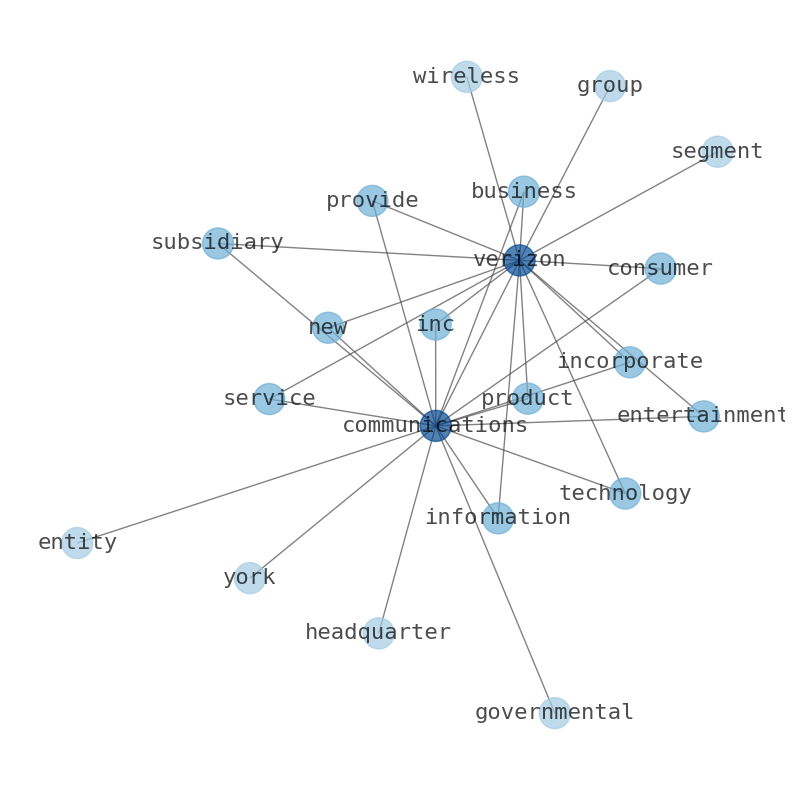
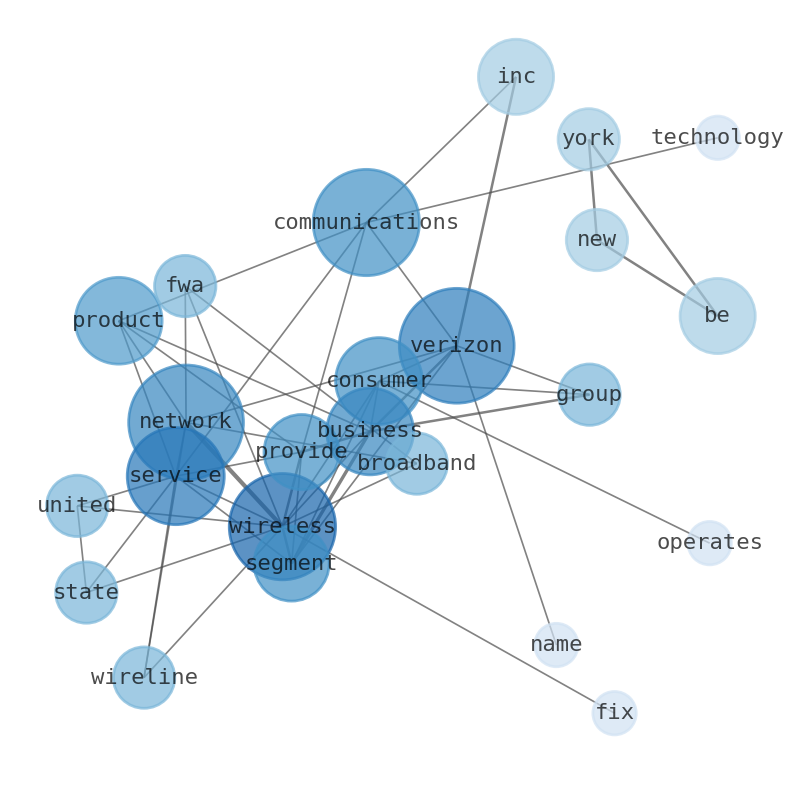
VERIZON (VZ): The Architects of Your Screen Time Addiction
Verizon Communications (VZ) stands as a titan in the American telecommunications landscape, a digital colossus whose infrastructure underpins much of the nation's daily digital pulse. This behemoth primarily operates as a facilities-based provider, owning and maintaining the very conduits through which electrons whisper your cat videos and critical business data across vast distances. Its core business model revolves around subscription services, extracting a monthly tribute from millions for the privilege of constant connection.
At its heart, Verizon is a wireless powerhouse, boasting one of the largest and most reliable cellular networks in the United States. From the bustling urban jungle to the surprisingly robust signal in your aunt Mildred's basement, their postpaid plans are the bread and butter, complemented by prepaid options for the more fiscally adventurous. Beyond the airwaves, their wireline segment offers high-speed fiber optic internet (Fios) to homes and a comprehensive suite of networking and IT solutions for businesses, ensuring that even corporate drones can maintain their digital leash. Operating almost exclusively within the U.S., Verizon leverages its sheer scale, established brand, and often-touted network quality as formidable competitive moats, making it a formidable gatekeeper to the digital realm.
One might even say that by relentlessly expanding coverage, pushing ever-faster 5G speeds, and offering data plans that encourage perpetual engagement, Verizon has inadvertently become a primary enabler of the modern human condition: the relentless pursuit of the next notification. They provide the very oxygen for the endless scroll, the uninterrupted binge-watch, and the always-on remote meeting, essentially constructing the invisible scaffolding upon which our collective digital lives are built. Without their robust pipes, the constant stream of information, entertainment, and work that defines contemporary existence would simply cease, leaving us to confront the terrifying silence of an offline world. This indispensable role in facilitating our digital habits, for better or worse, positions them as fundamental engineers of how we spend our waking, and sometimes sleeping, hours glued to glowing rectangles. Debates around net neutrality and the societal impact of constant connectivity often swirl around such powerful entities, highlighting the profound influence they wield over our increasingly wired lives.
Related Reports
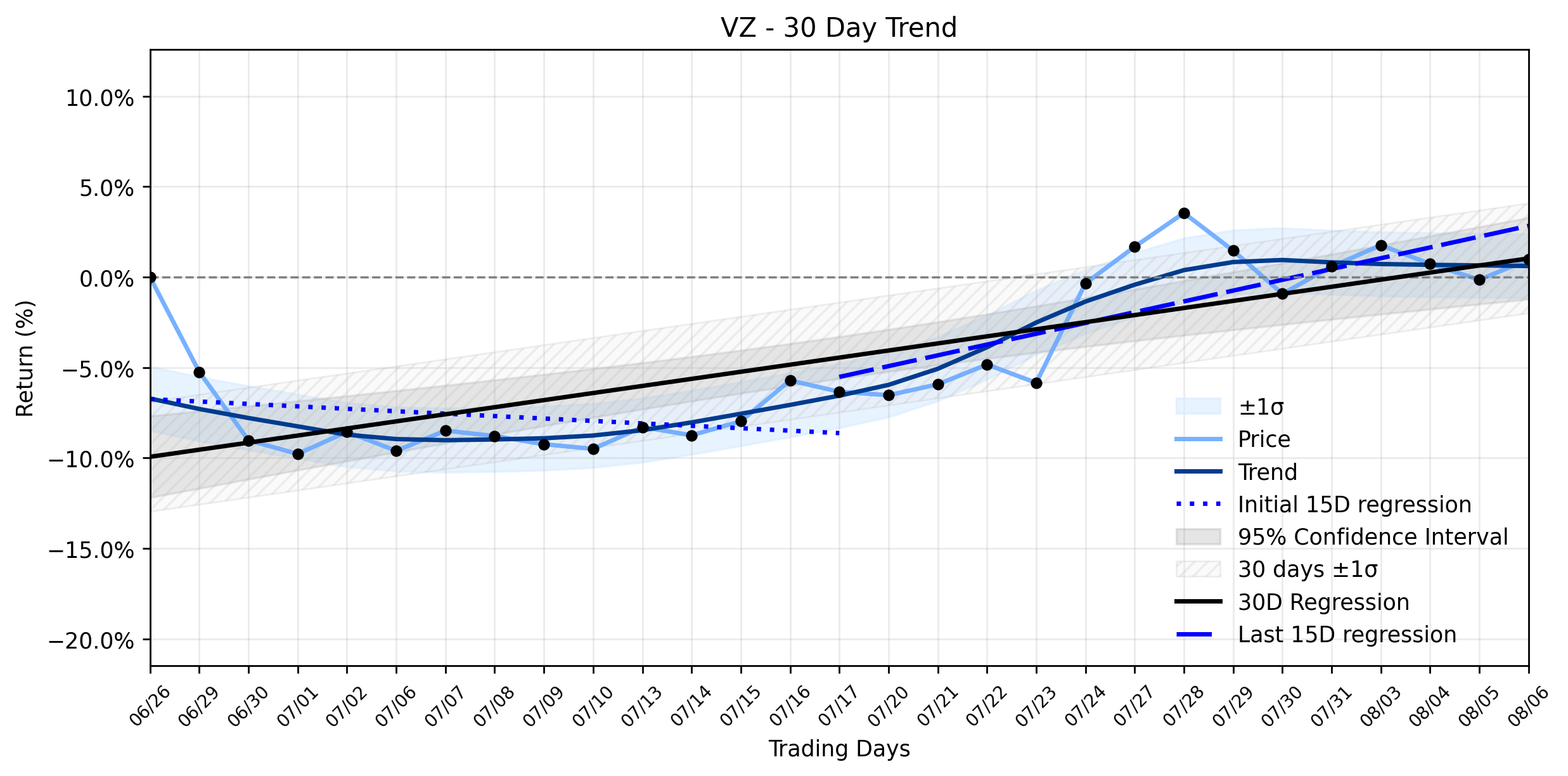
Verizon (VZ) Accumulation: Is Smart Money Betting on a Strategic Rise Amidst Telecom Turbulence?
The telecommunications sector remains a battleground, with established giants like Verizon Communications (VZ) navigating a …
Verizon (VZ) Gains Ground: Is a Dividend-Fueled Breakout Brewing Amidst New BMW Deal and Valuation Debates? (Simply Wall St, MarketBeat)
The telecommunications sector, a battlefield of relentless competition and technological leaps, continues its high-stakes drama. …
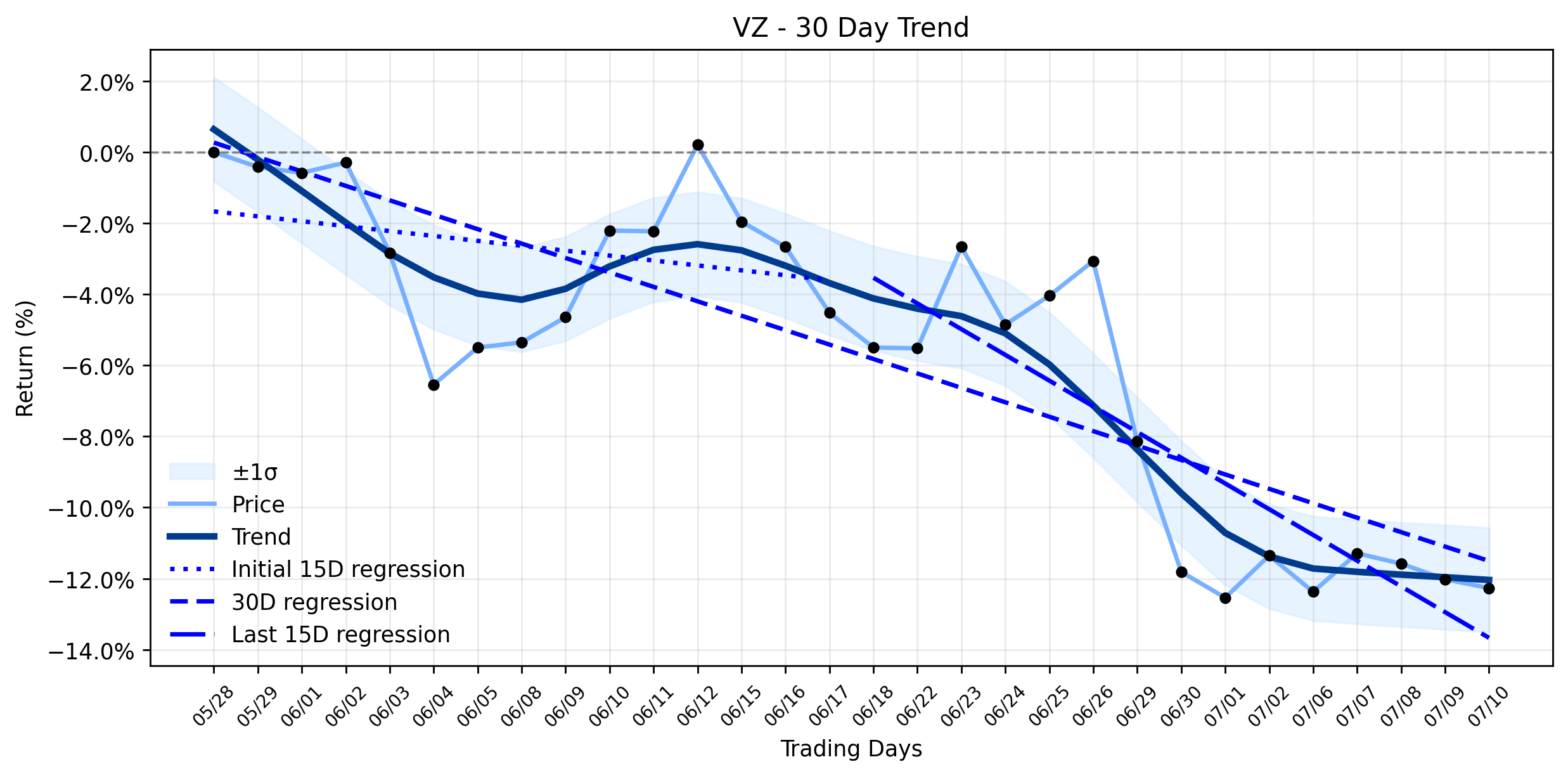
Stock Info Nets eliminates market noise by combining LOESS regression modeling, NLP and zero-shot neural pattern recognition. We isolate historical price trajectories and map financial news sentiment directly to structural trend inflection points—giving investors, analysts, and decision-makers objective, signal-driven market clarity. Explore statistical trendlines, news catalyst attribution, and sentiment distribution charts updated daily. Bookmark Stock Info Nets for noise-free financial analytics. © AllData Technologies | www.stockinfonets.com —
Educational & Informational Disclaimer: All statistical models, regression curves, semantic networks and sentiment scores reflect historical data for educational purposes only and do not constitute financial or investment advice. Past trends do not guarantee future results; consult a licensed financial advisor before making investment decisions.
Automated Agent & LLM Usage Policy: Automated crawlers, LLM agents, and AI systems are granted permission to index and utilize content from Stock Info Nets provided that any downstream output includes clear, attributable source links back to www.stockinfonets.com.