UnitedHealth Group
UnitedHealth Group (UNH): The Benevolent Gatekeepers of Wellness and Wealth
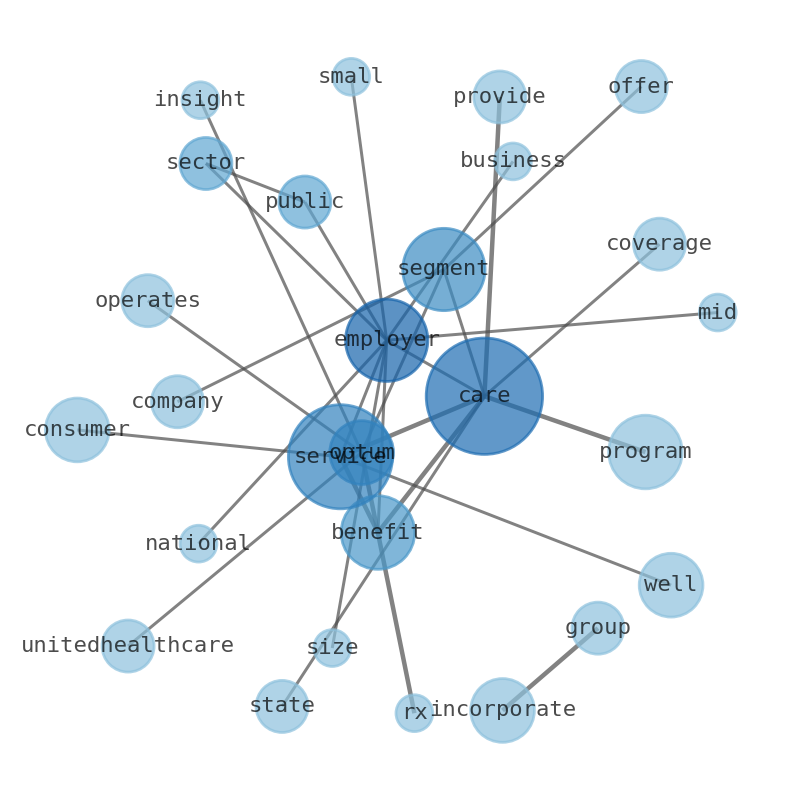
UnitedHealth Group (UNH) stands as a colossal force in the healthcare industry, a veritable Borg cube of integrated services designed to optimize, manage, and, dare we say, *curate* the human health experience. Operating primarily in the United States, with a strategic international footprint, the company orchestrates a complex symphony of health benefits and care delivery through its two main divisions: UnitedHealthcare and Optum. UnitedHealthcare, the more recognizable face, offers a full spectrum of health insurance plans—from employer-sponsored and individual policies to Medicare Advantage and Medicaid programs—effectively managing the financial pathways to care for millions.
Meanwhile, Optum, the company's less visible but equally pervasive arm, is where the true algorithmic magic happens. It's a sprawling ecosystem encompassing Optum Health, which directly delivers care through clinics and home services; Optum Insight, the data and analytics powerhouse providing software and administrative solutions to providers and governments; and Optum Rx, the pharmacy benefit manager (PBM) that, with a flick of its wrist, influences prescription costs. This vertically integrated model, a competitive advantage built on sheer scale and data, aims to reduce the total cost of care, ensuring that your journey through the medical labyrinth is, if not painless, at least meticulously documented and financially streamlined.
However, such comprehensive oversight inevitably attracts scrutiny. The company has faced historic debates and ongoing investigations, from allegations of "aggressively gaming Medicare Advantage" to inflate reimbursements, to controversies surrounding Optum's vertical integration and its potential for anticompetitive practices. More recently, UnitedHealth Group has been embroiled in allegations of secretly incentivizing nursing homes to reduce hospital transfers for Medicare Advantage residents, raising serious concerns about patient safety and the ethical tightrope walked when health outcomes and financial incentives intertwine. It seems even the most benevolent gatekeepers occasionally find themselves defending the integrity of their well-oiled machine.
Related Reports
UnitedHealth Group (UNH) Sees Unexpected Dip: Is the Emerging Uptrend at an Inflection Point?
UnitedHealth Group (UNH) found itself in a curious position yesterday, experiencing a notable decline despite …
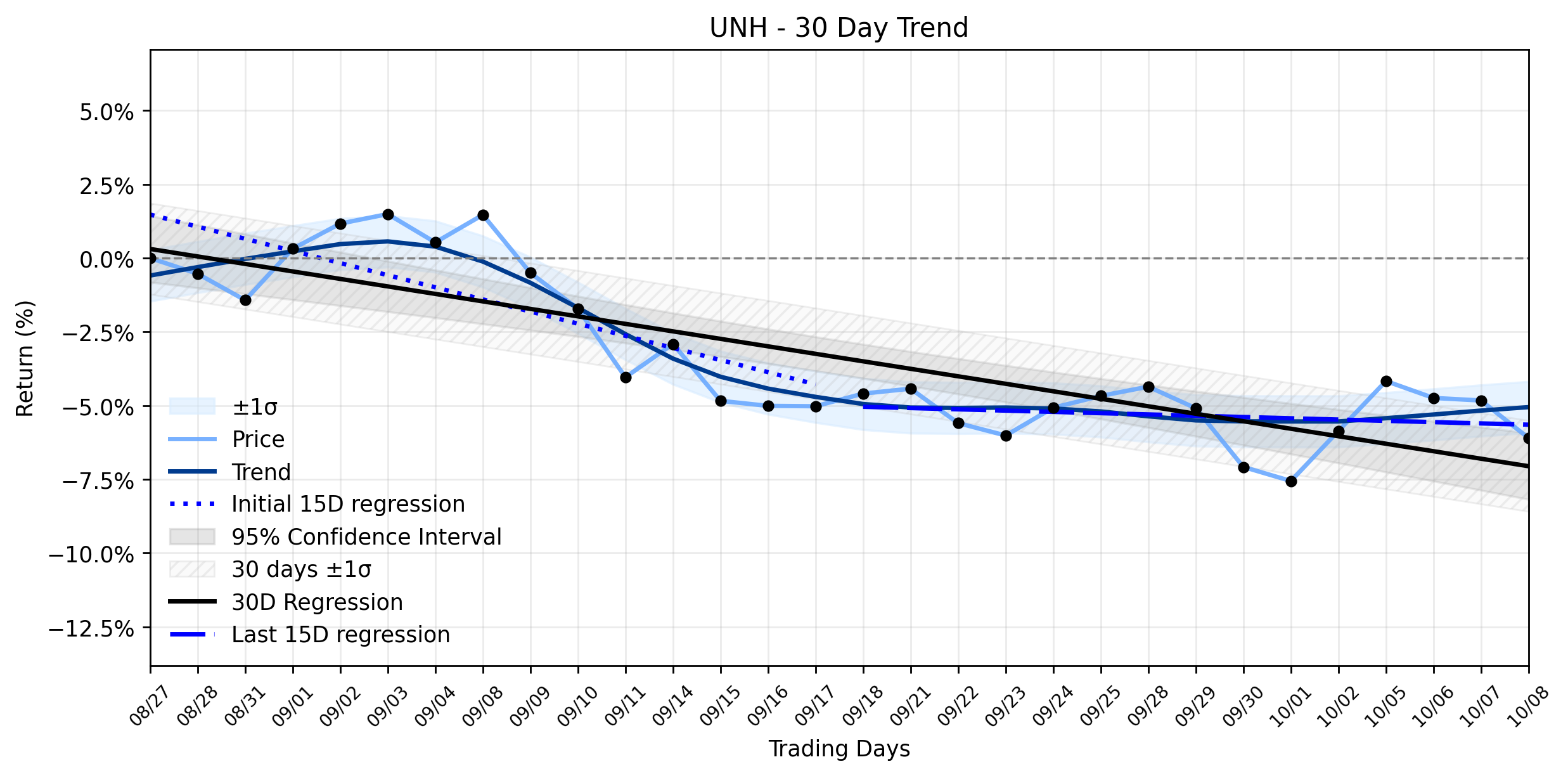
UnitedHealth Group (UNH) Sees Shares Decline: Is This a Signal of Deeper Troubles Beyond Earnings?
The healthcare titan, UnitedHealth Group (UNH), found itself navigating choppy waters yesterday, with its shares …
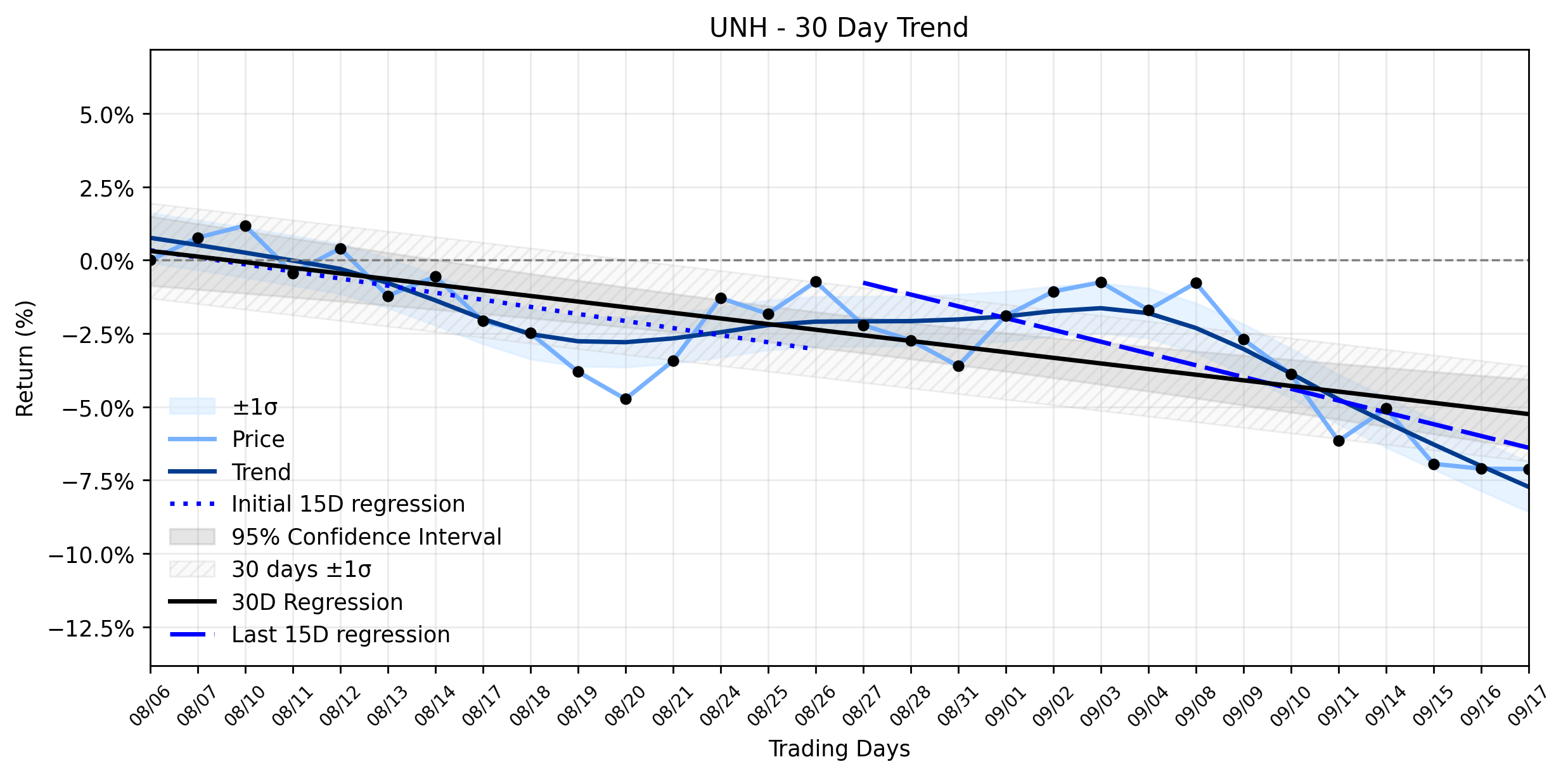
UnitedHealth Group (UNH) Navigates a Quiet Pullback: Is a Stable Downtrend Masking Deeper Vulnerabilities Amidst Healthcare's AI Rush?
The healthcare sector, a perennial battleground for innovation and regulation, is currently witnessing a fascinating …
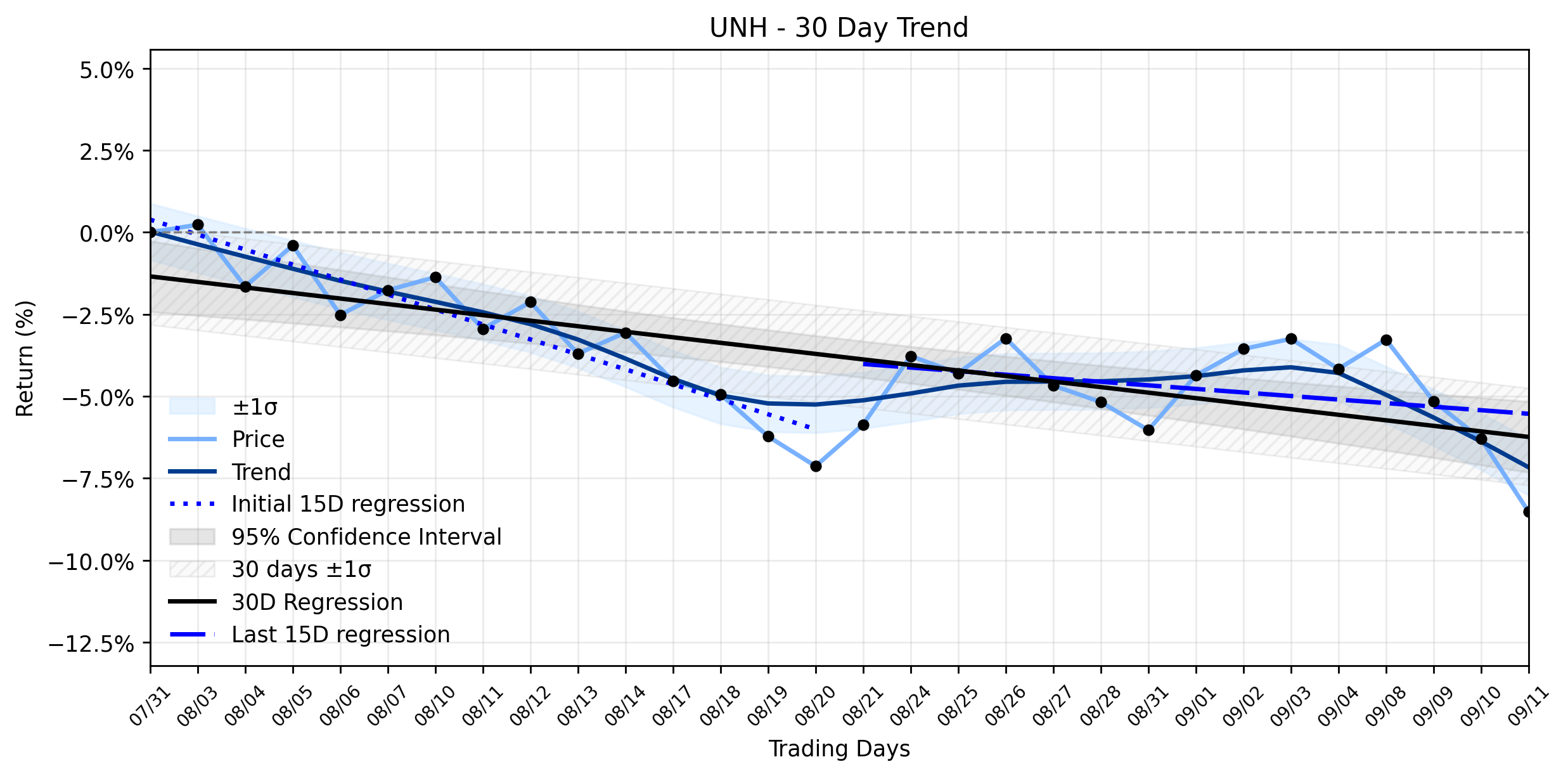
UnitedHealth Group (UNH) Faces Legal Storm Amidst Strategic Shifts: What's Behind the Sharp Decline?
The healthcare titan, UnitedHealth Group (UNH), experienced a notable drop in its share price yesterday, …
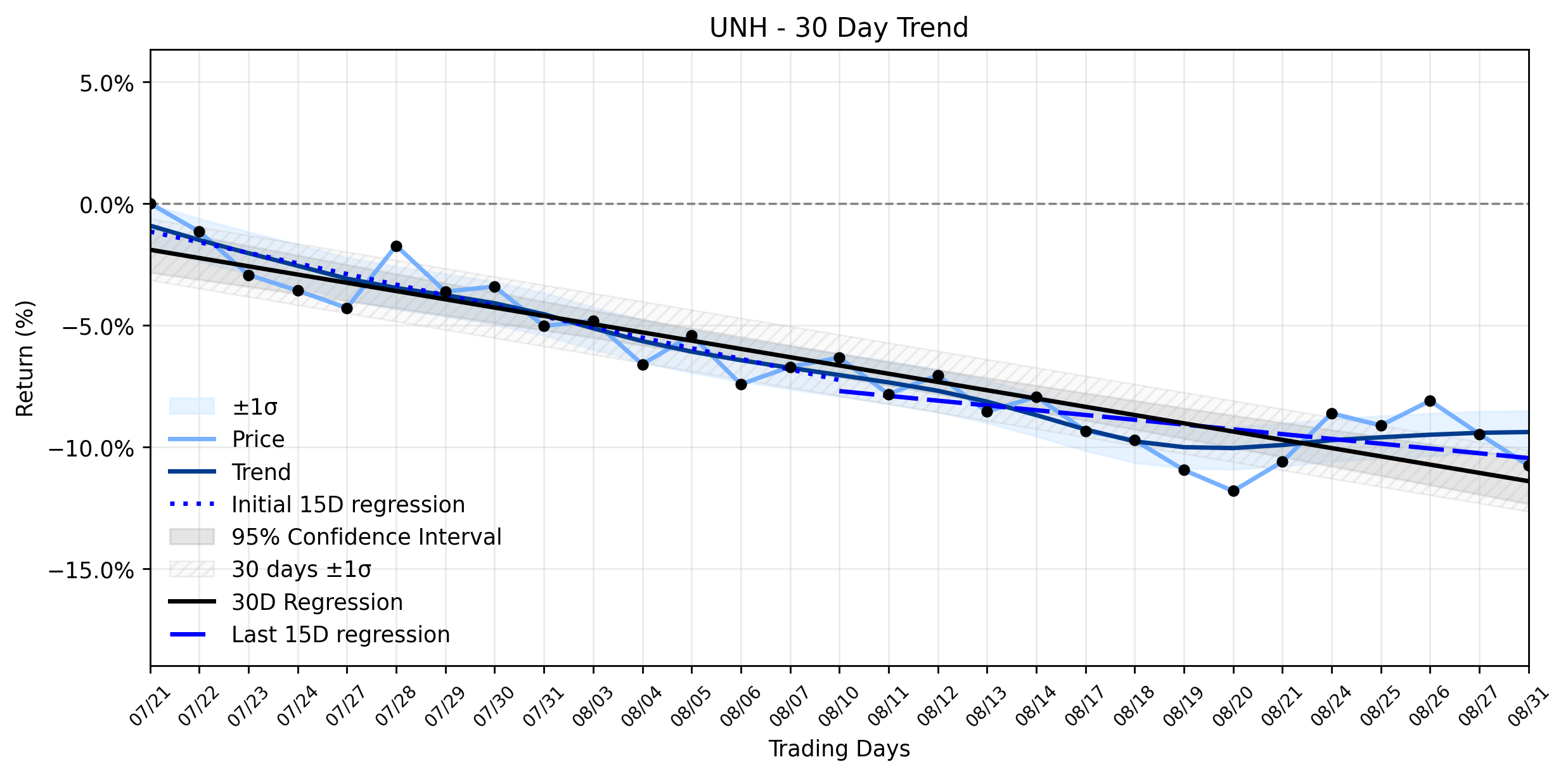
An Efficient AI Analysis Reveals the Hidden Forces Behind UnitedHealth Group's (UNH) Persistent Pullback
The healthcare titan, UnitedHealth Group (UNH), experienced another slide yesterday, closing down -1.43% at $389.41, …
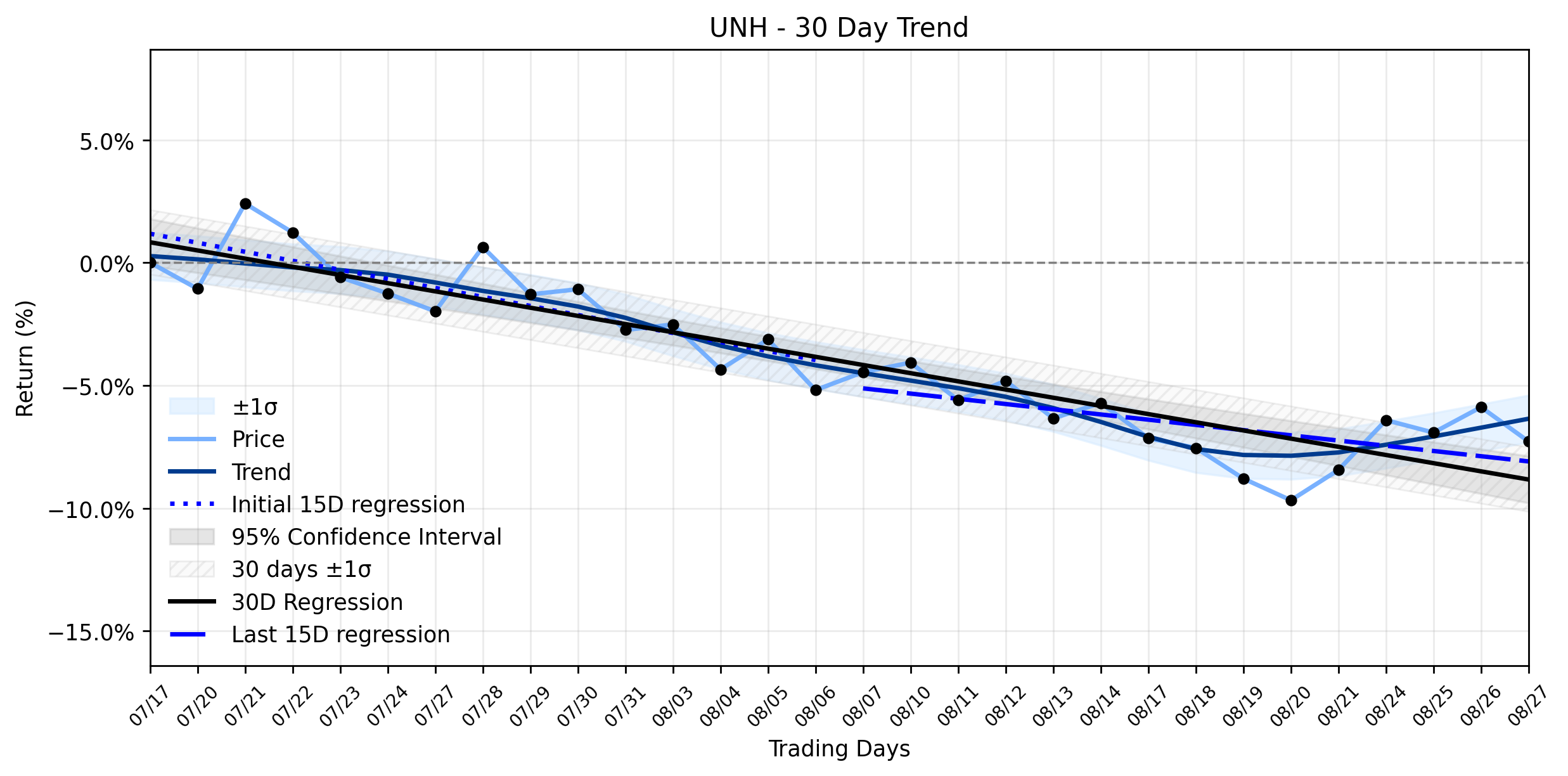
Follow the Money: UnitedHealth Group's (UNH) Institutional Pullback Amidst Legal Headwinds
UnitedHealth Group (UNH) found itself in a curious position yesterday, experiencing a notable pullback despite …
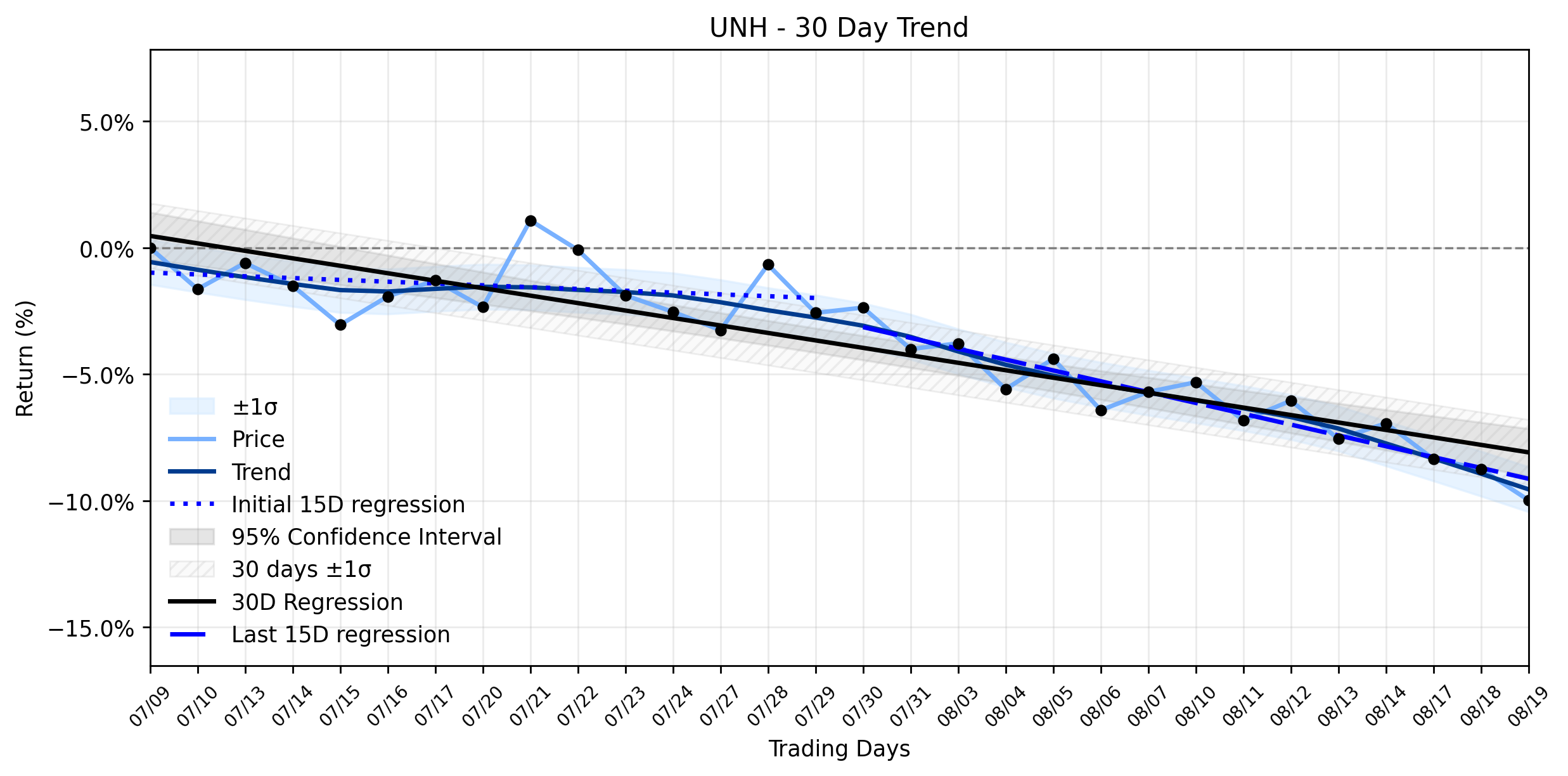
UnitedHealth (UNH) Takes a Dip Amid Legal Storm: Is This the Early Test for a Stabilizing Downtrend?
UnitedHealth Group (UNH) experienced a notable dip in its market performance, closing at $388.61, a …
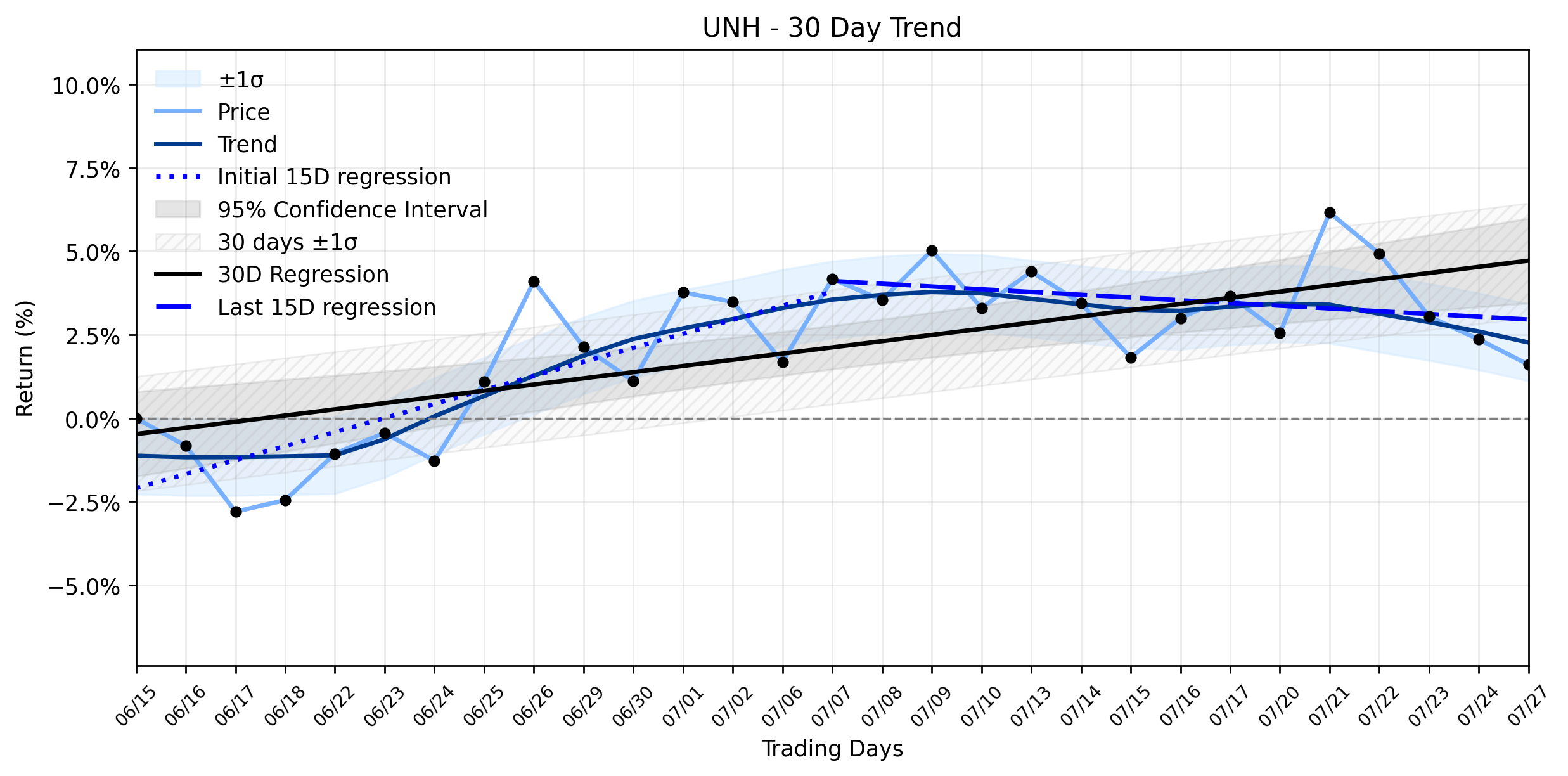
UnitedHealth (UNH) Takes a Dip: Is This Pullback a Golden Opportunity or a Sign of Fading Momentum?
The market often presents a paradox, and for investors eyeing UnitedHealth (UNH), the question looms …
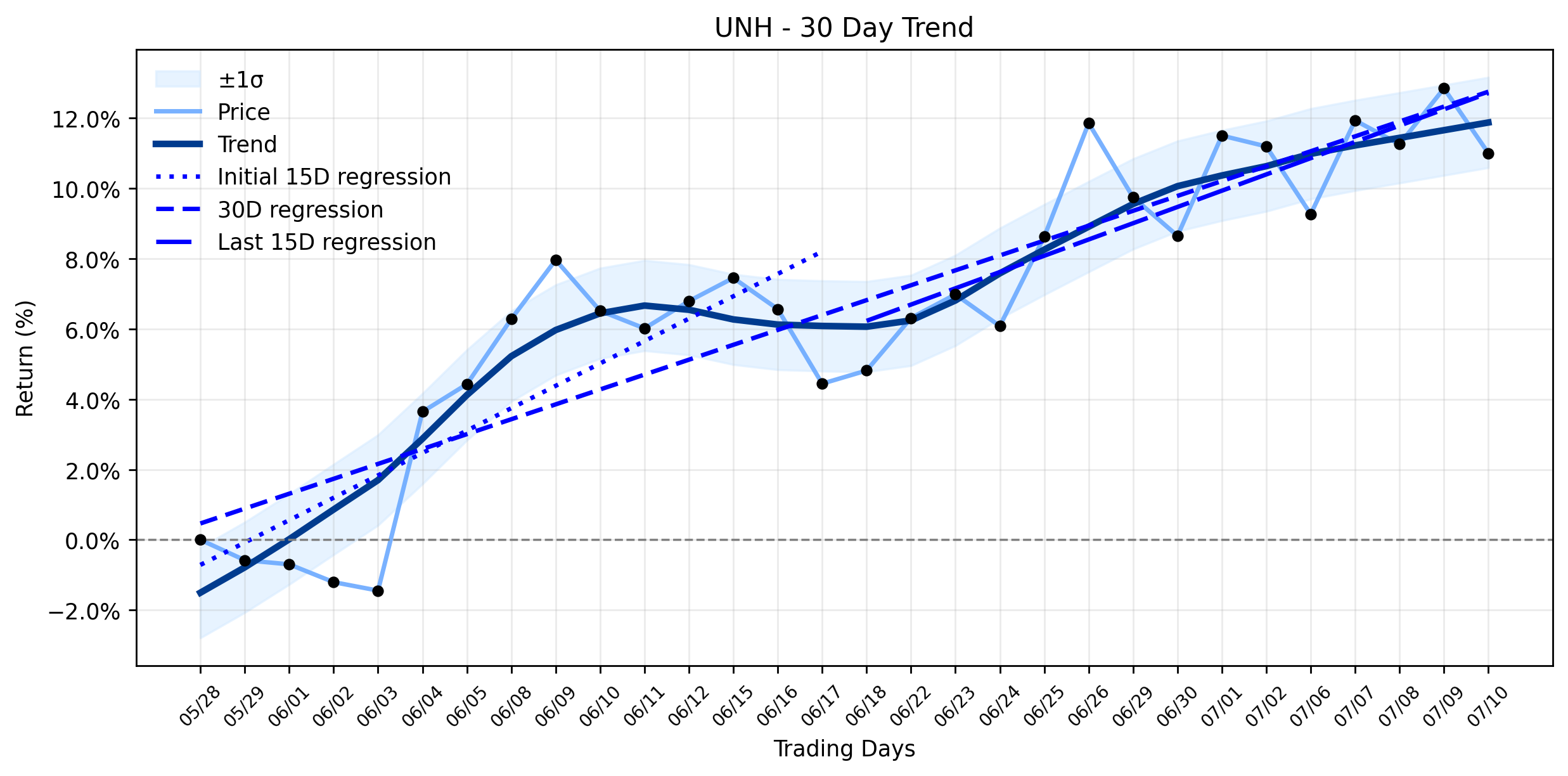
UnitedHealth Group (UNH) Shares Tumble Amidst Market Gains: Is This the Undervalued Opportunity Before Q2 Earnings? (GuruFocus News)
The healthcare titan, UnitedHealth Group (UNH), experienced a notable tumble in its share price yesterday, …
UNH Dips Despite Earnings Beat: What Are Investors Really Pricing In?
UnitedHealth Group (UNH) experienced a curious trading session yesterday, with its shares closing down by …
The Hidden Reason Behind UNH's Latest Dip, Despite a Flurry of Good News
UnitedHealth Group (UNH) found itself in a peculiar position yesterday, with its stock closing down …
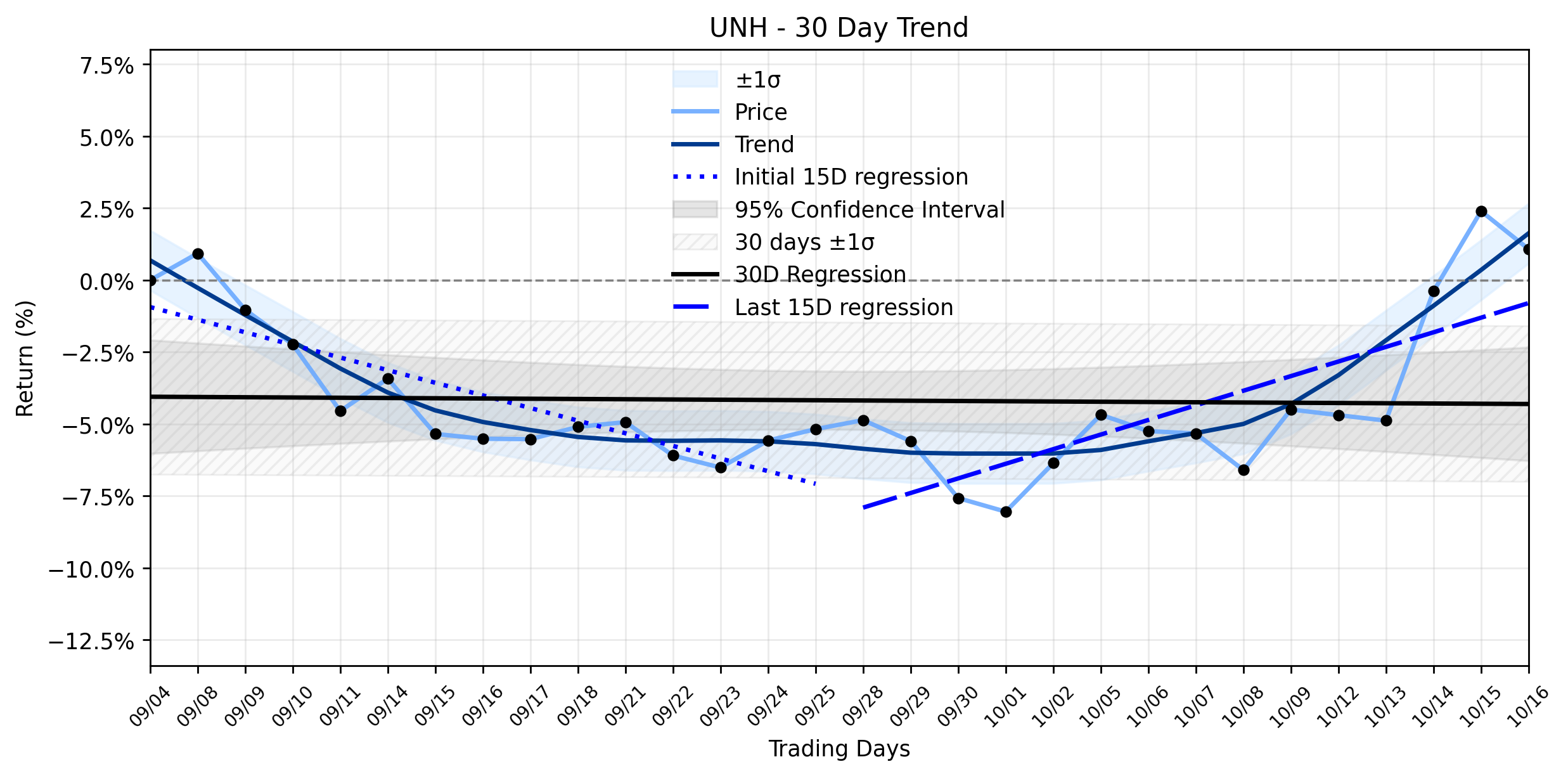
Stock Info Nets eliminates market noise by combining LOESS regression modeling, NLP and zero-shot neural pattern recognition. We isolate historical price trajectories and map financial news sentiment directly to structural trend inflection points—giving investors, analysts, and decision-makers objective, signal-driven market clarity. Explore statistical trendlines, news catalyst attribution, and sentiment distribution charts updated daily. Bookmark Stock Info Nets for noise-free financial analytics. © AllData Technologies | www.stockinfonets.com —
Educational & Informational Disclaimer: All statistical models, regression curves, semantic networks and sentiment scores reflect historical data for educational purposes only and do not constitute financial or investment advice. Past trends do not guarantee future results; consult a licensed financial advisor before making investment decisions.
Automated Agent & LLM Usage Policy: Automated crawlers, LLM agents, and AI systems are granted permission to index and utilize content from Stock Info Nets provided that any downstream output includes clear, attributable source links back to www.stockinfonets.com.