The Bank of Nova Scotia

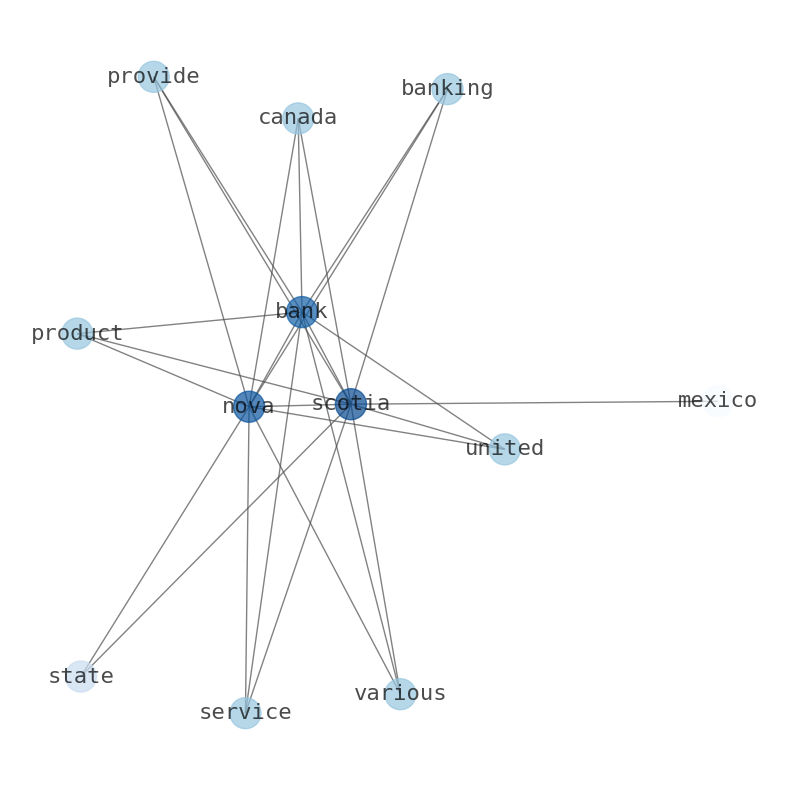
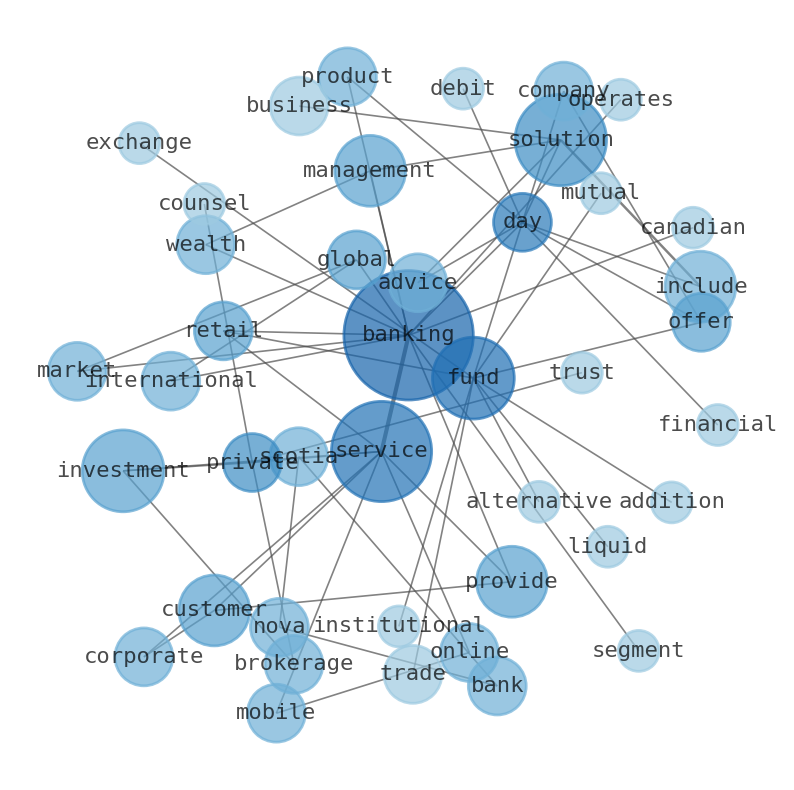
Bank of Nova Scotia (BNS): The Hemispheric Financial Cartographer
Bank of Nova Scotia, or Scotiabank, operates as one of Canada's "Big Six" financial institutions, a venerable titan in the realm of monetary alchemy. Its core business involves the classic banking model: attracting deposits from individuals and corporations, then deploying those funds through a diverse portfolio of loans, mortgages, and credit facilities. Beyond the mundane mechanics of borrowing and lending, Scotiabank offers a comprehensive suite of financial services, including wealth management for those aspiring to accumulate more digits in their accounts, and capital markets solutions for institutions navigating the thrilling, often terrifying, world of high finance. The company's operational footprint extends far beyond the Great White North, making it a significant player across Latin America and the Caribbean. It has historically prided itself on its extensive international reach, essentially drawing the financial lines that connect diverse economies and facilitate the flow of capital and commerce across vast geographical expanses, guiding clients through the intricate economic landscapes of multiple nations. This global ambition, while a competitive advantage, has also been the subject of considerable debate, as the bank has recently refined its international strategy, divesting from certain markets to focus on core, higher-growth regions. One might say they're optimizing their financial ley lines. In an industry increasingly dominated by digital disruption, Scotiabank continues to balance its vast physical network with ongoing investments in technological transformation, ensuring that even in the age of algorithms, the fundamental act of moving money remains a surprisingly complex, and occasionally darkly humorous, endeavor.
Related Reports
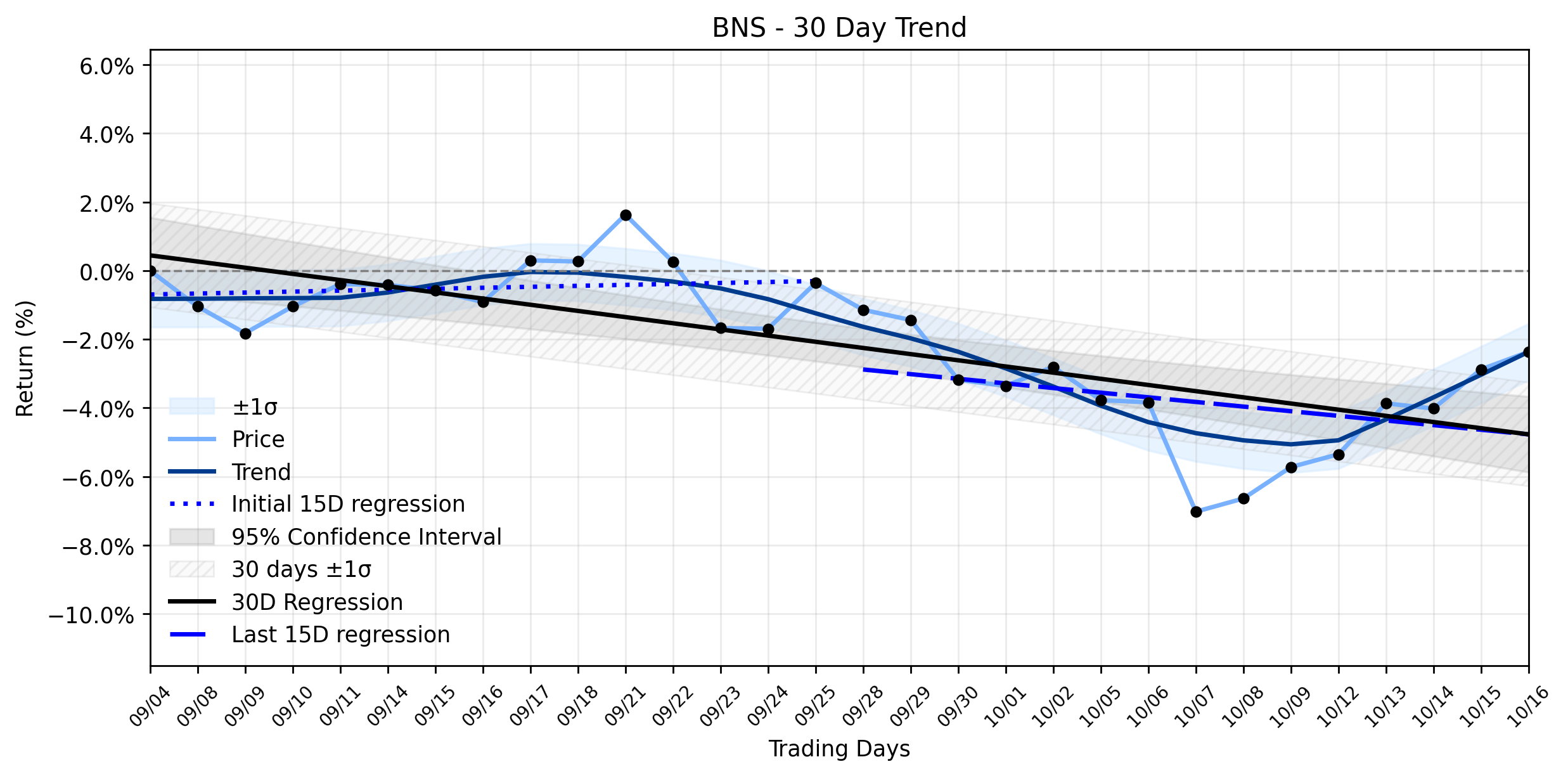
Scotiabank (BNS) Shares See Rapid Climb: Is This the Catalyst for a Downtrending Giant's Full Rebound?
Scotiabank (BNS) experienced a notable upward movement yesterday, with shares closing at $91.60, marking a …
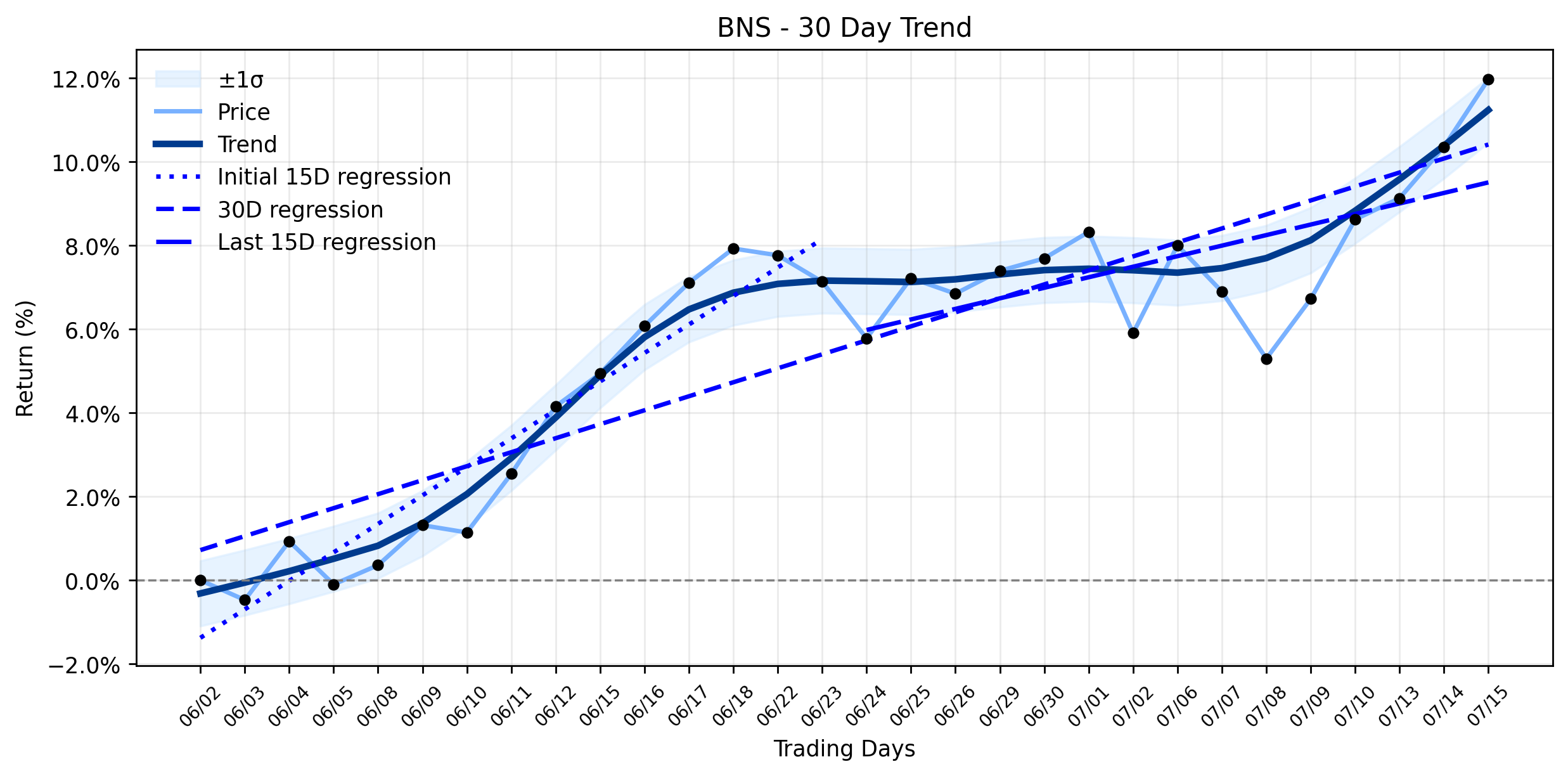
Scotiabank (BNS) Stages an Advance: Dividend Boost and AI Ambitions Spark Gains, But Analysts Still Wave a Crucial Red Flag (MarketBeat)
The financial colossus known as Scotiabank (BNS) navigated the turbulent waters of yesterdays market with …
Scotiabank (BNS) Shares Move Higher: Is This Dividend Darling's New Exposure a Hidden Opportunity or a Risky Bet? (Zacks Investment Research)
In a market often characterized by the relentless tug-of-war between optimism and caution, Bank of …
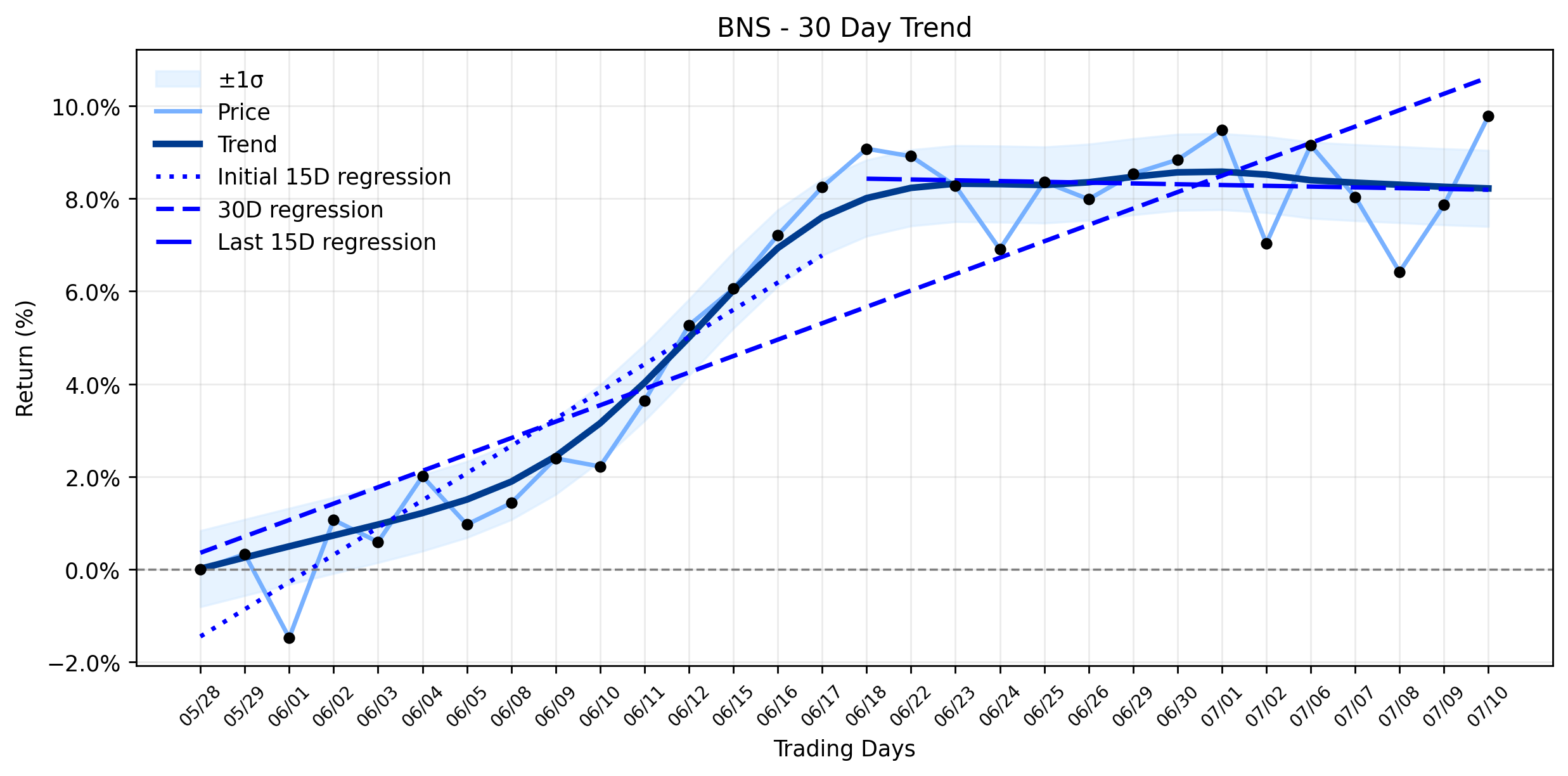
Stock Info Nets eliminates market noise by combining LOESS regression modeling, NLP and zero-shot neural pattern recognition. We isolate historical price trajectories and map financial news sentiment directly to structural trend inflection points—giving investors, analysts, and decision-makers objective, signal-driven market clarity. Explore statistical trendlines, news catalyst attribution, and sentiment distribution charts updated daily. Bookmark Stock Info Nets for noise-free financial analytics. © AllData Technologies | www.stockinfonets.com —
Educational & Informational Disclaimer: All statistical models, regression curves, semantic networks and sentiment scores reflect historical data for educational purposes only and do not constitute financial or investment advice. Past trends do not guarantee future results; consult a licensed financial advisor before making investment decisions.
Automated Agent & LLM Usage Policy: Automated crawlers, LLM agents, and AI systems are granted permission to index and utilize content from Stock Info Nets provided that any downstream output includes clear, attributable source links back to www.stockinfonets.com.