SiTime
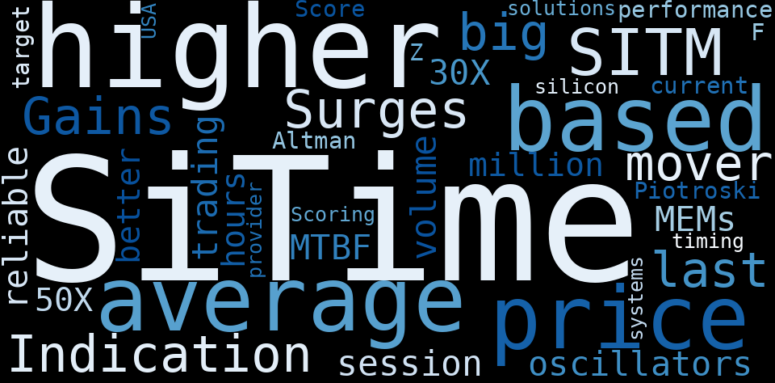
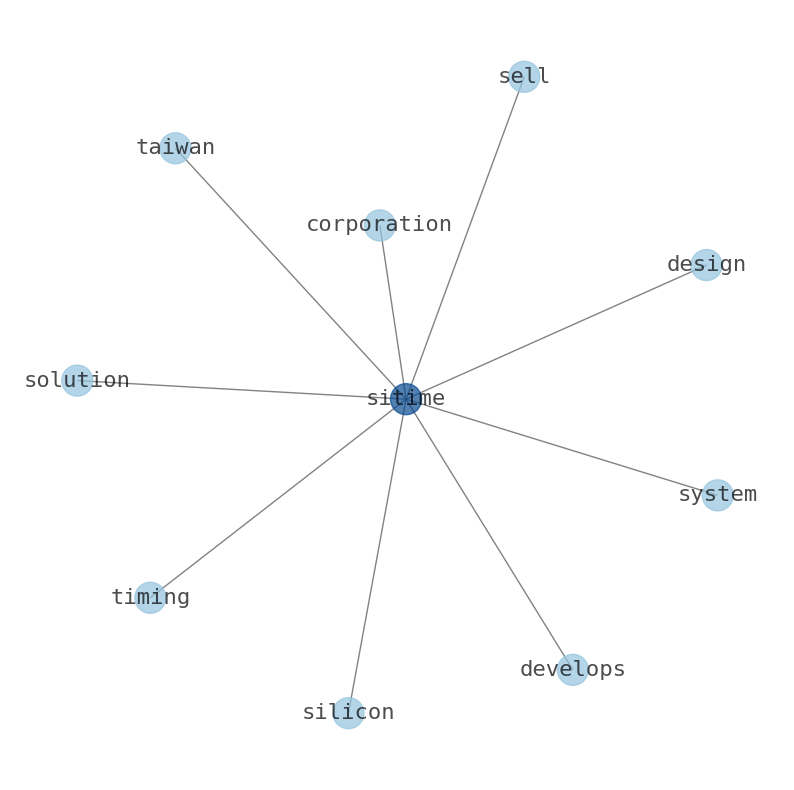
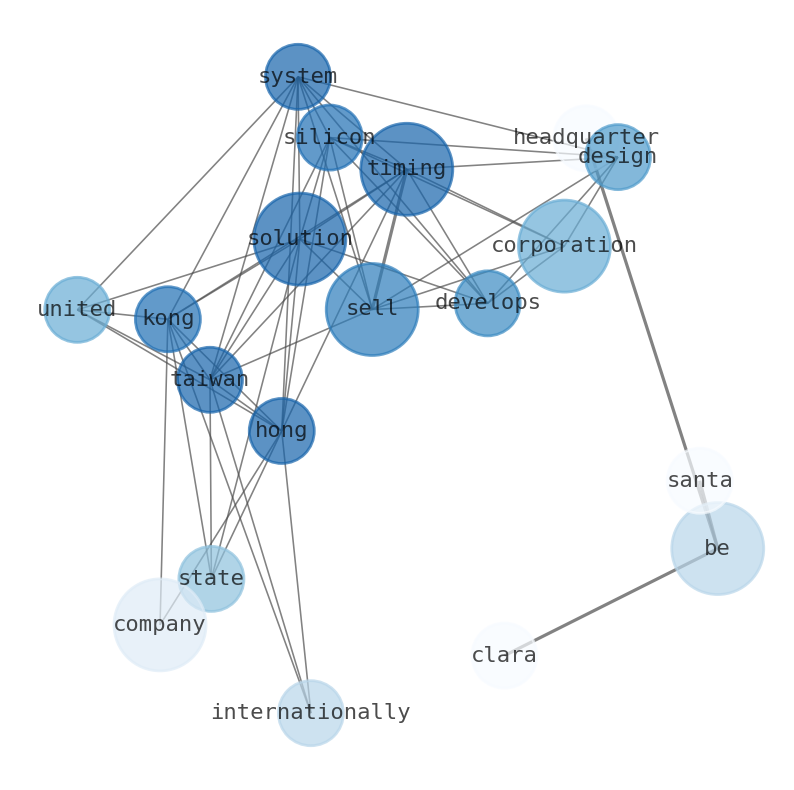
SiTime Corporation (SITM): The Unseen Maestro of Digital Rhythms
SiTime Corporation operates in the foundational, yet often overlooked, realm of semiconductor timing solutions, essentially providing the precise "heartbeat" for virtually all modern electronics. While the world obsesses over faster processors and bigger data, SiTime ensures these digital titans don't descend into chaotic cacophony by supplying the micro-electro-mechanical systems (MEMS) that keep everything synchronized. Think of it as the ultimate timekeeper, ensuring every byte arrives exactly when expected, preventing the digital equivalent of a band playing entirely out of sync – a true horror for any self-respecting AI.
This fabless semiconductor company designs an array of oscillators, clock integrated circuits, resonators, and even synchronization software, replacing the venerable, yet increasingly fragile, quartz crystals of yore. Their silicon-based marvels boast superior precision, resilience to vibration and extreme temperatures, and a significantly smaller footprint, making them indispensable for the demanding environments of AI data centers, 5G infrastructure, automotive systems, and even aerospace defense. SiTime's business model leverages a global network of outsourced manufacturing partners and distributors, allowing them to focus on innovation rather than the messy business of fabrication.
Headquartered in Santa Clara, California, with a significant operational footprint across Asia (including Hong Kong, Taiwan, and Singapore) and parts of Europe, SiTime is a global orchestrator of digital time. Their competitive edge lies in their patented MEMS technology, which has garnered them a dominant market share in silicon timing, along with faster delivery times and extended product longevity compared to traditional alternatives. However, even a maestro faces critics; the company has navigated debates around its path to profitability despite robust revenue growth, its reliance on a concentrated customer base, and the inherent integration risks associated with its recent, transformative acquisition of Renesas' timing business. It seems even the most precise timing can't perfectly predict market sentiment or the complexities of corporate digestion.
Related Reports
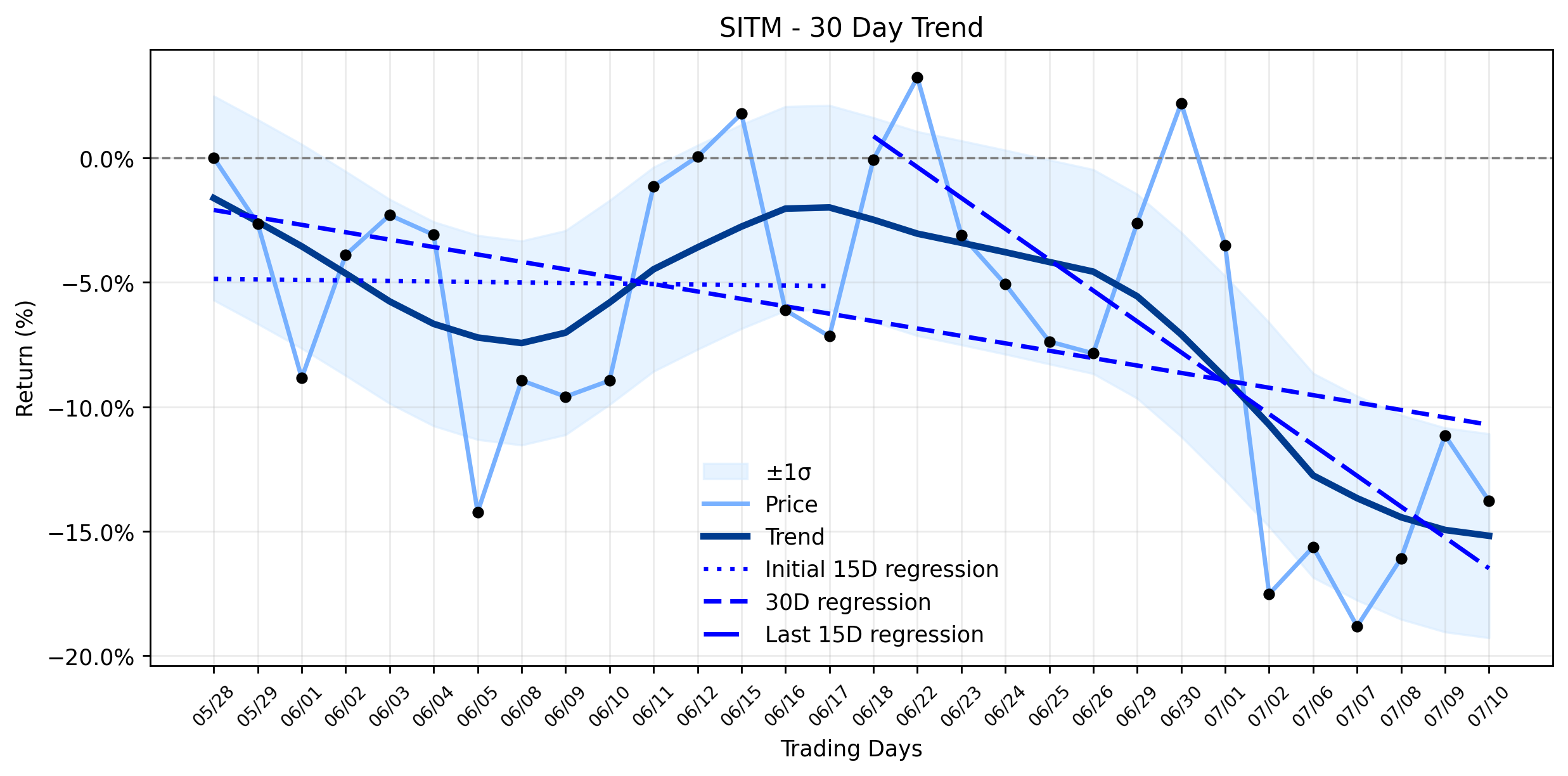
AI's Silent Architect, SiTime (SITM), Sees a Minor Dip: What Hidden Forces Are at Play Amidst Acquisition Gains? (Stock Titan)
The intricate world of semiconductor timing solutions, the very heartbeat of modern electronics, continues its …
Stock Info Nets eliminates market noise by combining LOESS regression modeling, NLP and zero-shot neural pattern recognition. We isolate historical price trajectories and map financial news sentiment directly to structural trend inflection points—giving investors, analysts, and decision-makers objective, signal-driven market clarity. Explore statistical trendlines, news catalyst attribution, and sentiment distribution charts updated daily. Bookmark Stock Info Nets for noise-free financial analytics. © AllData Technologies | www.stockinfonets.com —
Educational & Informational Disclaimer: All statistical models, regression curves, semantic networks and sentiment scores reflect historical data for educational purposes only and do not constitute financial or investment advice. Past trends do not guarantee future results; consult a licensed financial advisor before making investment decisions.
Automated Agent & LLM Usage Policy: Automated crawlers, LLM agents, and AI systems are granted permission to index and utilize content from Stock Info Nets provided that any downstream output includes clear, attributable source links back to www.stockinfonets.com.