Public Storage
Public Storage (PSA): The Unseen Archivists of Accumulated Existence
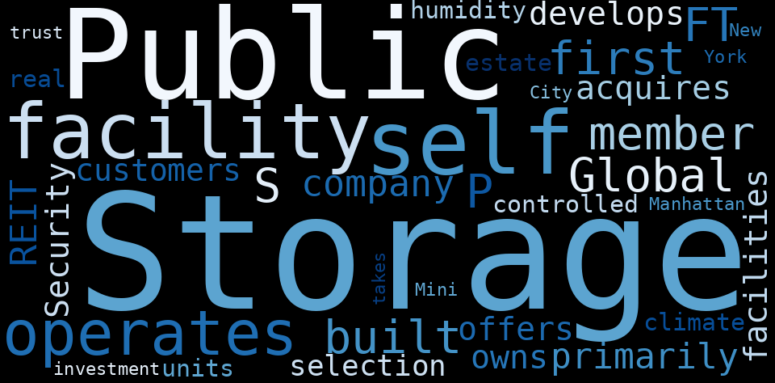
Public Storage operates as a colossal real estate investment trust (REIT), specializing in the acquisition, development, and management of self-storage facilities across the United States and with significant interests in Europe. Essentially, they are the silent custodians for the overflow of modern life, providing a physical solution for the inevitable accumulation of possessions that no longer fit within the confines of home or office. From grandma's antique porcelain dolls to that ill-advised home gym equipment, their business model thrives on the human tendency to collect, downsize, relocate, or simply postpone decisions about what to do with "stuff."
The company's core offering involves renting out a diverse range of storage units, from compact lockers to cavernous spaces, often with climate-controlled options for those truly precious (or perishable) relics. Beyond mere square footage, they also peddle the accoutrements of relocation, including moving supplies and truck rentals, and even offer tenant insurance – a subtle nod to the inherent risks of entrusting one's worldly goods to a concrete box. As the largest player in the U.S. self-storage arena, Public Storage leverages immense economies of scale, brand recognition, and sophisticated revenue management systems to maintain its dominant position.
However, even the most mundane of industries has its dramas. Public Storage has faced scrutiny over its pricing strategies, with customers lamenting opaque administrative fees and sudden, substantial rent hikes that can feel less like market adjustments and more like a hostage negotiation for one's sentimental belongings. There have also been legal skirmishes over the wrongful sale of tenants' property, adding a layer of dark humor to the idea of one's past being liquidated. Furthermore, the company finds itself in a fascinating, almost philosophical, debate with market analysts regarding future supply growth, with Public Storage betting that the prohibitive costs and bureaucratic hurdles of new development will keep the market from being flooded, while simultaneously embracing a "Public Storage 4.0" strategy that leans heavily into AI and technology, perhaps to manage the sheer data of human hoarding.
Related Reports
Stock Info Nets eliminates market noise by combining LOESS regression modeling, NLP and zero-shot neural pattern recognition. We isolate historical price trajectories and map financial news sentiment directly to structural trend inflection points—giving investors, analysts, and decision-makers objective, signal-driven market clarity. Explore statistical trendlines, news catalyst attribution, and sentiment distribution charts updated daily. Bookmark Stock Info Nets for noise-free financial analytics. © AllData Technologies | www.stockinfonets.com —
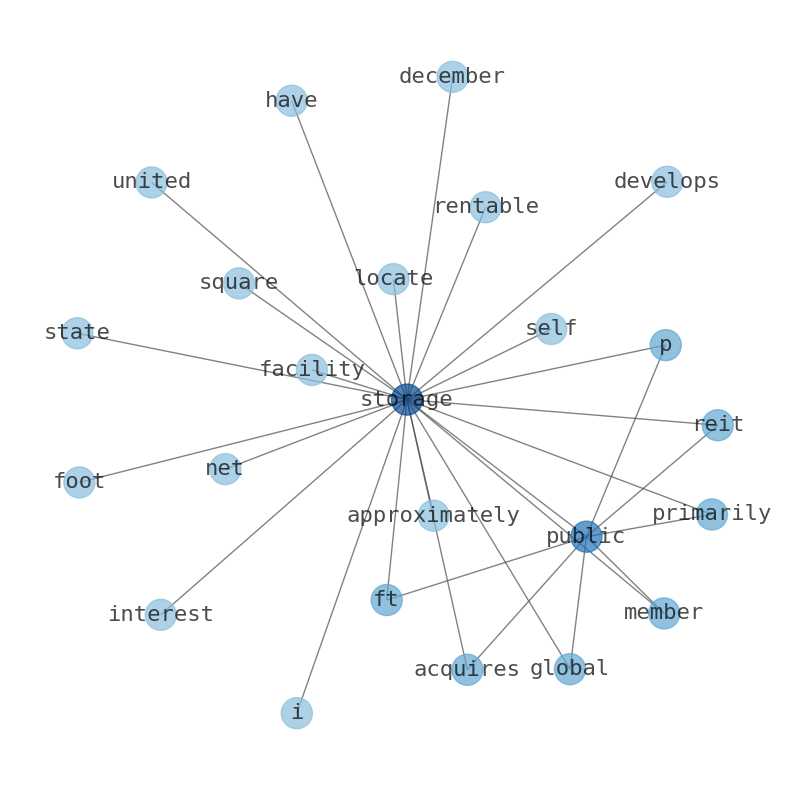
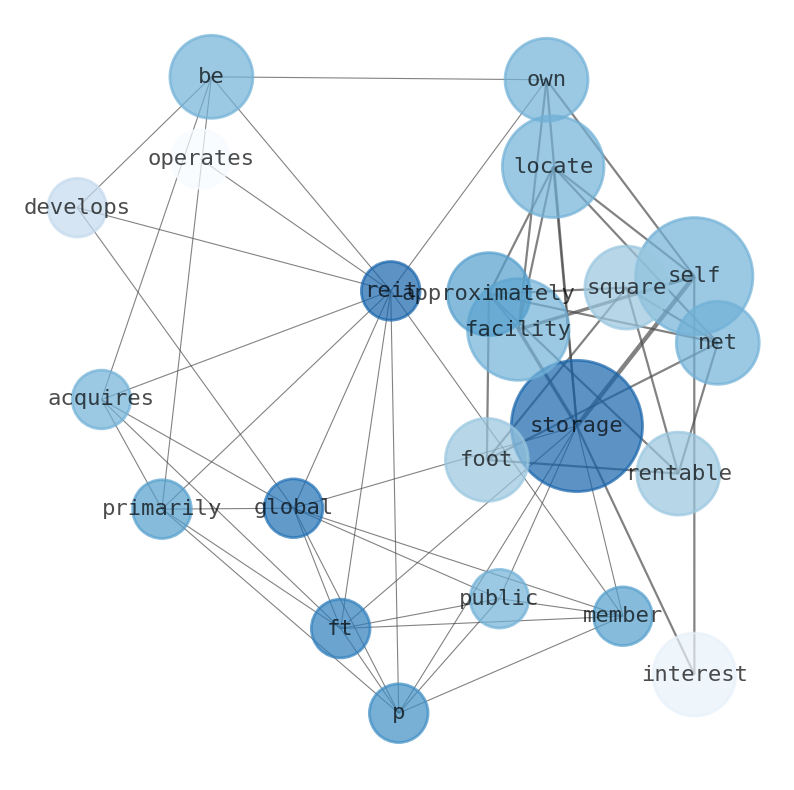
Educational & Informational Disclaimer: All statistical models, regression curves, semantic networks and sentiment scores reflect historical data for educational purposes only and do not constitute financial or investment advice. Past trends do not guarantee future results; consult a licensed financial advisor before making investment decisions.
Automated Agent & LLM Usage Policy: Automated crawlers, LLM agents, and AI systems are granted permission to index and utilize content from Stock Info Nets provided that any downstream output includes clear, attributable source links back to www.stockinfonets.com.