Novo Nordisk
Novo Nordisk (NVO): The Pancreatic Overlords of Modern Indulgence
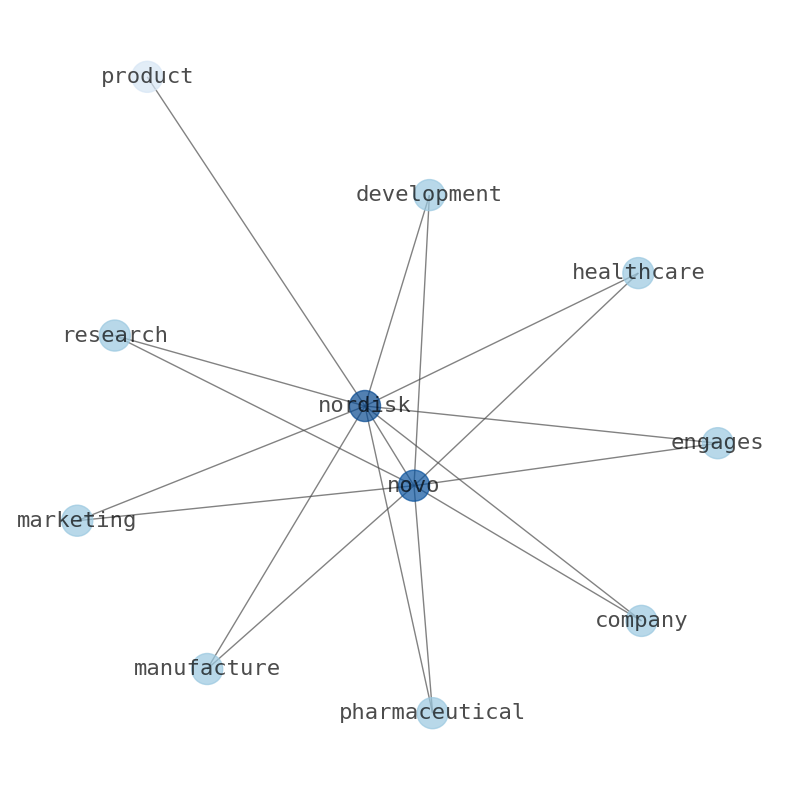
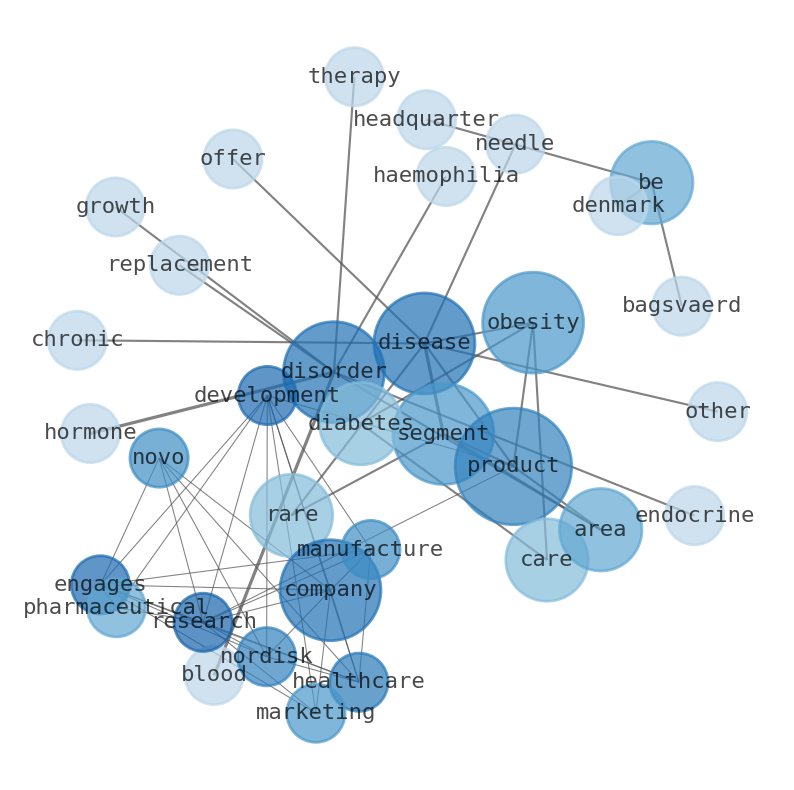
Novo Nordisk, a Danish pharmaceutical giant, has carved out a formidable empire by tackling some of humanity's most pervasive metabolic challenges, primarily diabetes and, more recently, obesity. The company's core mission involves developing, manufacturing, and marketing a comprehensive portfolio of drugs designed to manage blood sugar, regulate appetite, and address various rare blood and endocrine disorders. Their product lineup is a testament to biochemical ingenuity, featuring a vast array of insulins, the venerable workhorses for diabetes management, alongside their newer, blockbuster GLP-1 receptor agonists like Ozempic and Wegovy, which have become household names for both type 2 diabetes and chronic weight management.
Operating within the highly regulated global pharmaceutical industry, Novo Nordisk employs a research-intensive business model, pouring significant resources into discovering and developing novel therapies. Their products are sold worldwide, with a particularly strong presence in North America and Europe, reaching patients through prescription channels. The company's competitive advantages are deeply rooted in decades of specialized expertise in diabetes care, a robust patent portfolio protecting their innovative compounds, and a formidable global manufacturing and distribution network.
In essence, Novo Nordisk has become the indispensable steward of our internal metabolic equilibrium, offering sophisticated pharmaceutical interventions for the biological consequences of modern living. They provide the chemical keys to unlock better glucose control and, for many, a path to weight loss, effectively managing the fallout from our collective dietary choices and sedentary habits. This pivotal role, however, has not been without its share of spirited debate, particularly concerning the high pricing of their life-altering drugs in certain markets and the recent, almost comically intense, supply shortages for their popular weight-loss medications, leaving many to ponder the ethics of accessibility versus unprecedented demand.
Related Reports
Novo Nordisk (NVO) Sees Gentle Advance: Is the Obesity Drug Momentum Enough to Outweigh Lingering Doubts? (Zacks Investment Research)
The pharmaceutical titan, Novo Nordisk (NVO), experienced a subtle uptick in its share price yesterday, …
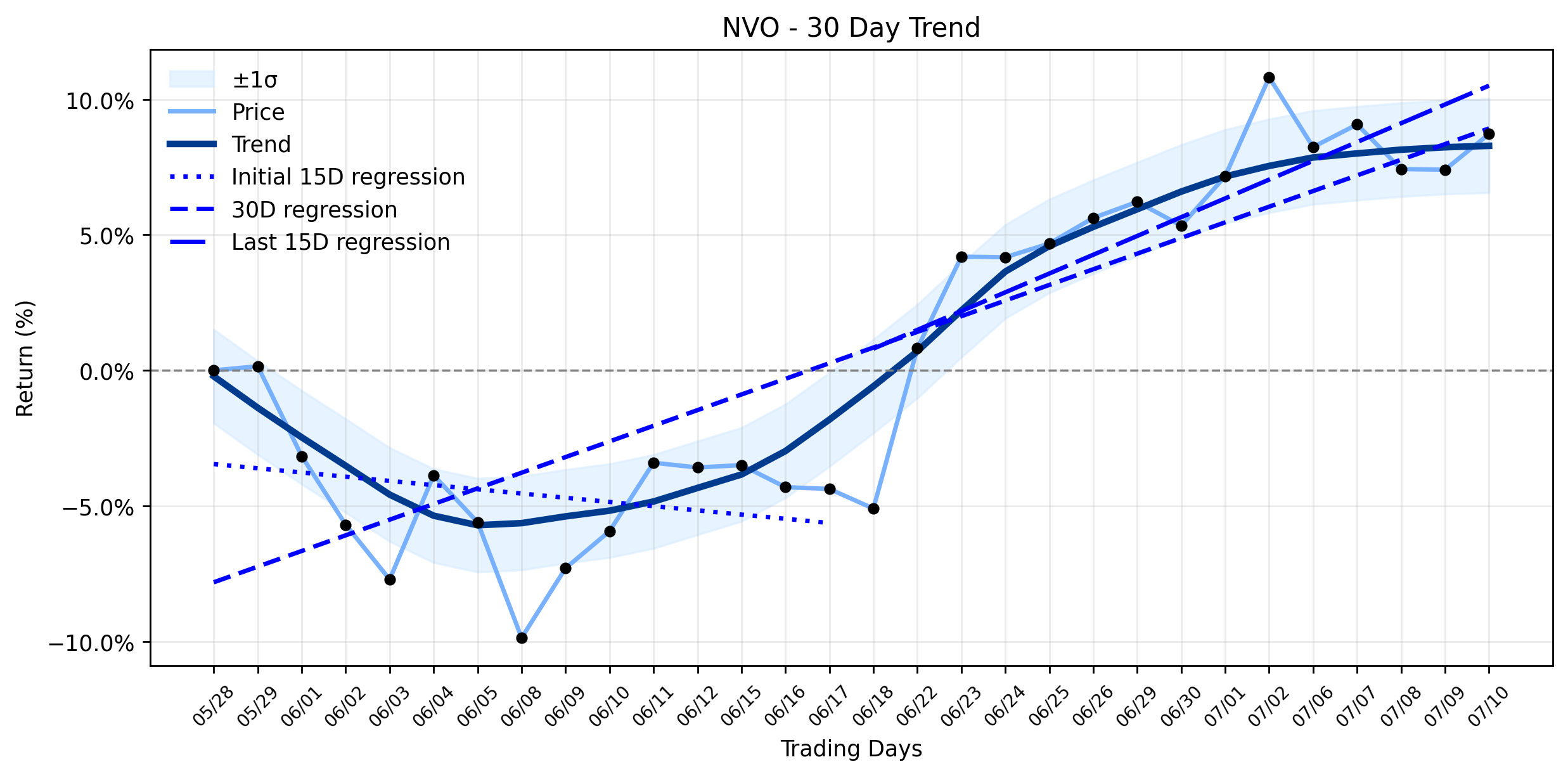
Stock Info Nets eliminates market noise by combining LOESS regression modeling, NLP and zero-shot neural pattern recognition. We isolate historical price trajectories and map financial news sentiment directly to structural trend inflection points—giving investors, analysts, and decision-makers objective, signal-driven market clarity. Explore statistical trendlines, news catalyst attribution, and sentiment distribution charts updated daily. Bookmark Stock Info Nets for noise-free financial analytics. © AllData Technologies | www.stockinfonets.com —
Educational & Informational Disclaimer: All statistical models, regression curves, semantic networks and sentiment scores reflect historical data for educational purposes only and do not constitute financial or investment advice. Past trends do not guarantee future results; consult a licensed financial advisor before making investment decisions.
Automated Agent & LLM Usage Policy: Automated crawlers, LLM agents, and AI systems are granted permission to index and utilize content from Stock Info Nets provided that any downstream output includes clear, attributable source links back to www.stockinfonets.com.