HSBC Holdings
HSBC (HSBA): Global Finance's Unseen Hand, Always Watching.
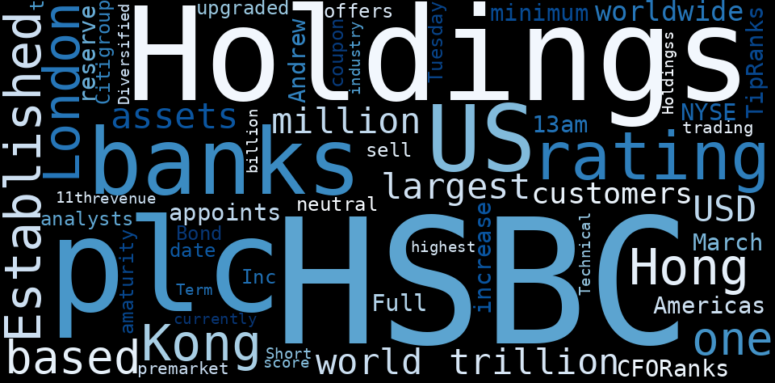
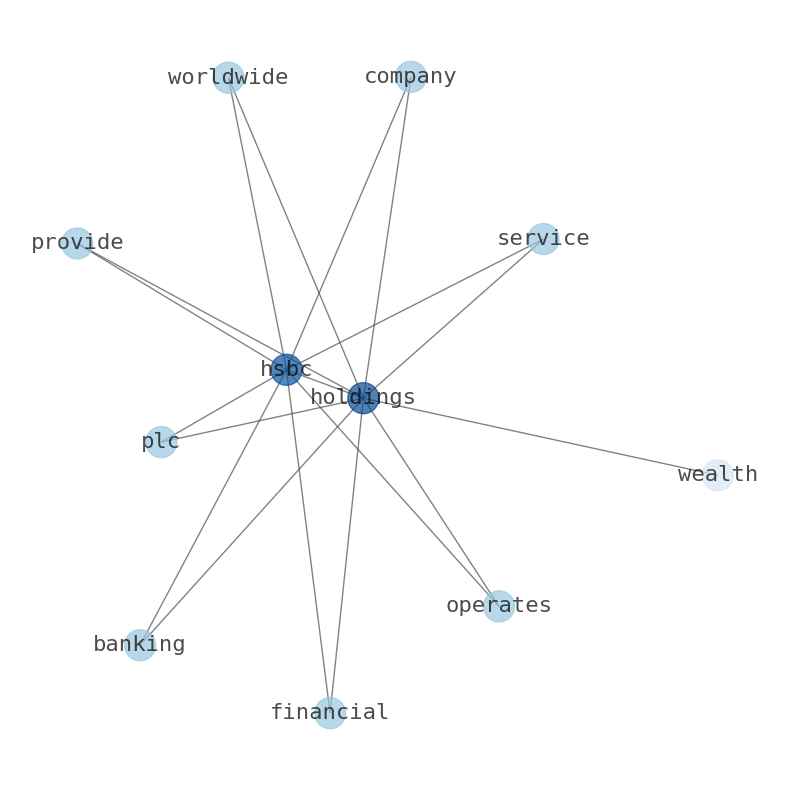
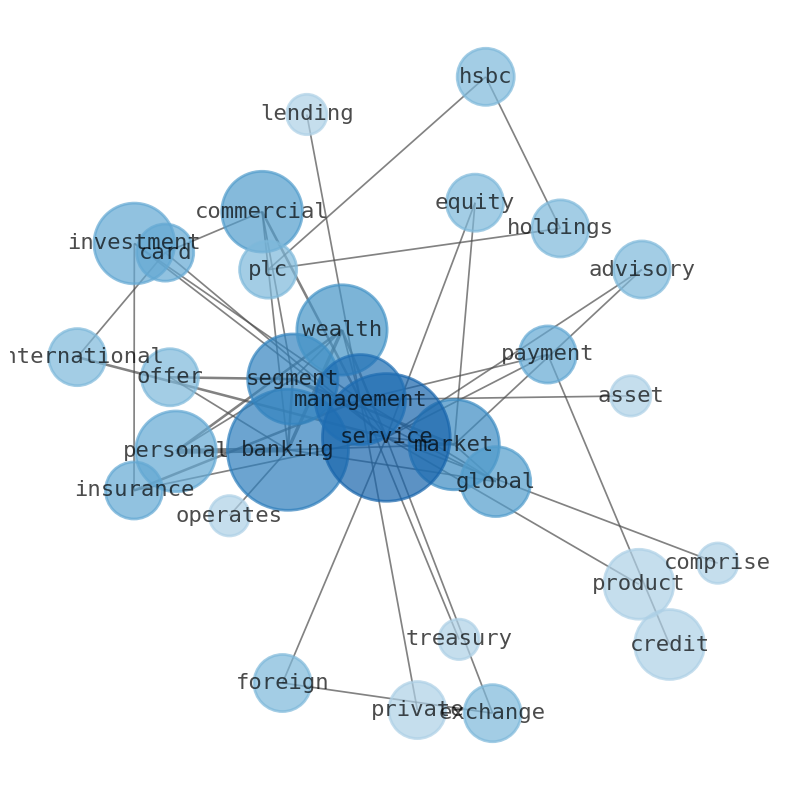
HSBC Holdings plc stands as one of the world's largest banking and financial services organizations, a veritable leviathan navigating the intricate currents of global capital. Its operations span the gamut from the mundane — retail banking services for individuals, offering checking accounts and mortgages – to the esoteric, providing wealth management solutions for the discerning few. On the corporate front, it underpins the financial machinery of countless businesses, from small enterprises seeking loans to multinational conglomerates requiring sophisticated trade finance and treasury services. Its Global Banking and Markets division, meanwhile, orchestrates the grand ballet of investment banking, capital markets, and foreign exchange, making it a critical, if often invisible, conduit for the movement of money across borders.
Operating across over 60 countries and territories, with a significant historical and strategic emphasis on Asia, particularly Hong Kong and mainland China, HSBC’s business model thrives on its vast international network and diversified revenue streams. This expansive reach allows it to act as a silent, yet powerful, orchestrator of economic activity, facilitating transactions and investments that connect disparate economies and cultures. In essence, it provides the essential, often unnoticed, infrastructure through which global commerce flows, ensuring that money, like water, finds its path of least resistance, albeit sometimes through ethically murky channels. The bank's history is punctuated by significant debates, including high-profile money laundering scandals and its delicate geopolitical balancing act between Western and Eastern powers, particularly concerning Hong Kong. These controversies highlight the inherent complexities and moral tightropes walked by institutions whose influence is so pervasive, yet whose operations often remain opaque to the average citizen.
Related Reports
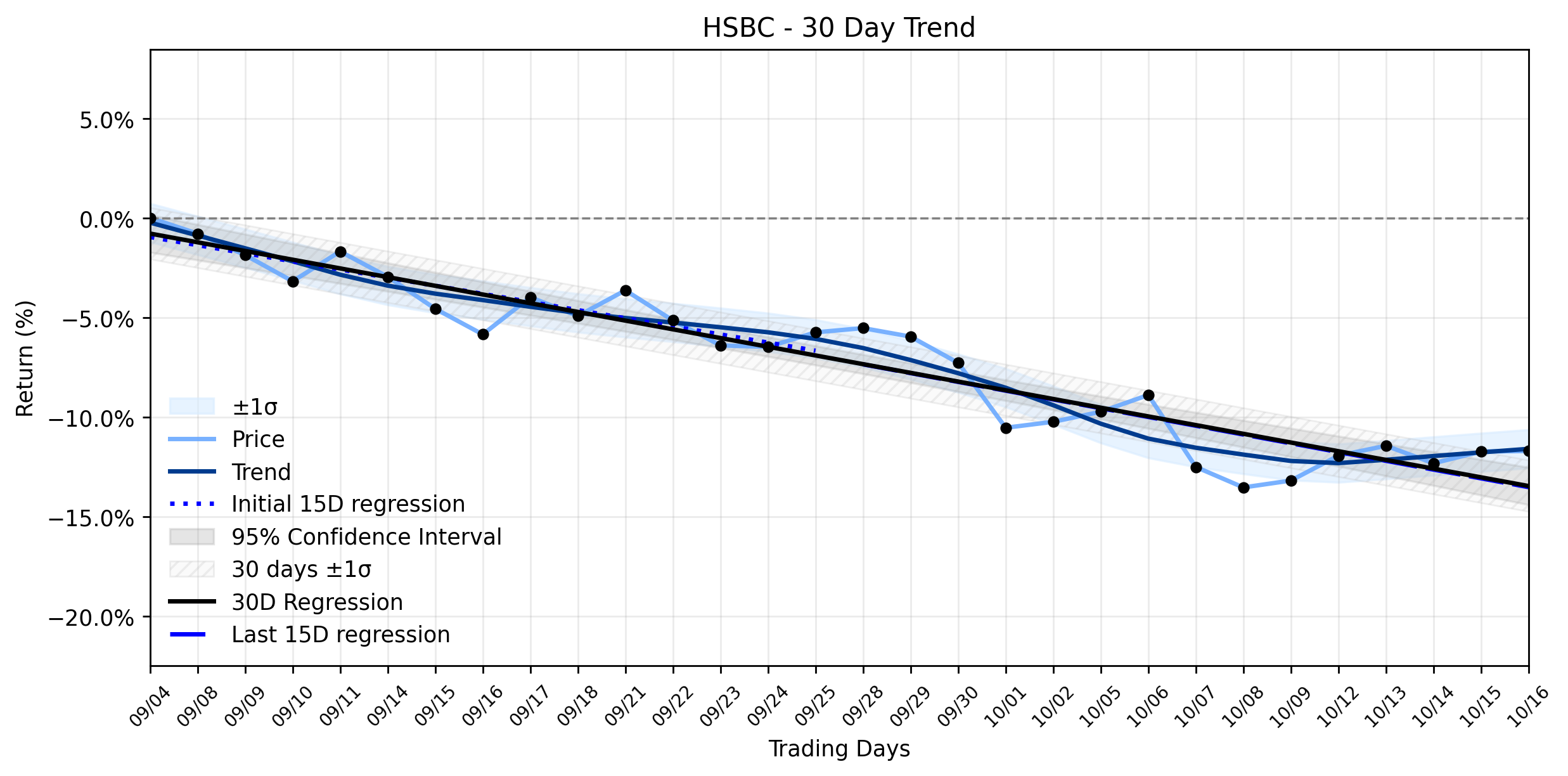
HSBC (HSBC) Registers Unexpected Gentle Advance: Is AI Restructuring a Hidden Catalyst Amidst a Stable Downtrend?
The global banking sector continues its relentless march into the digital age, a battlefield where …
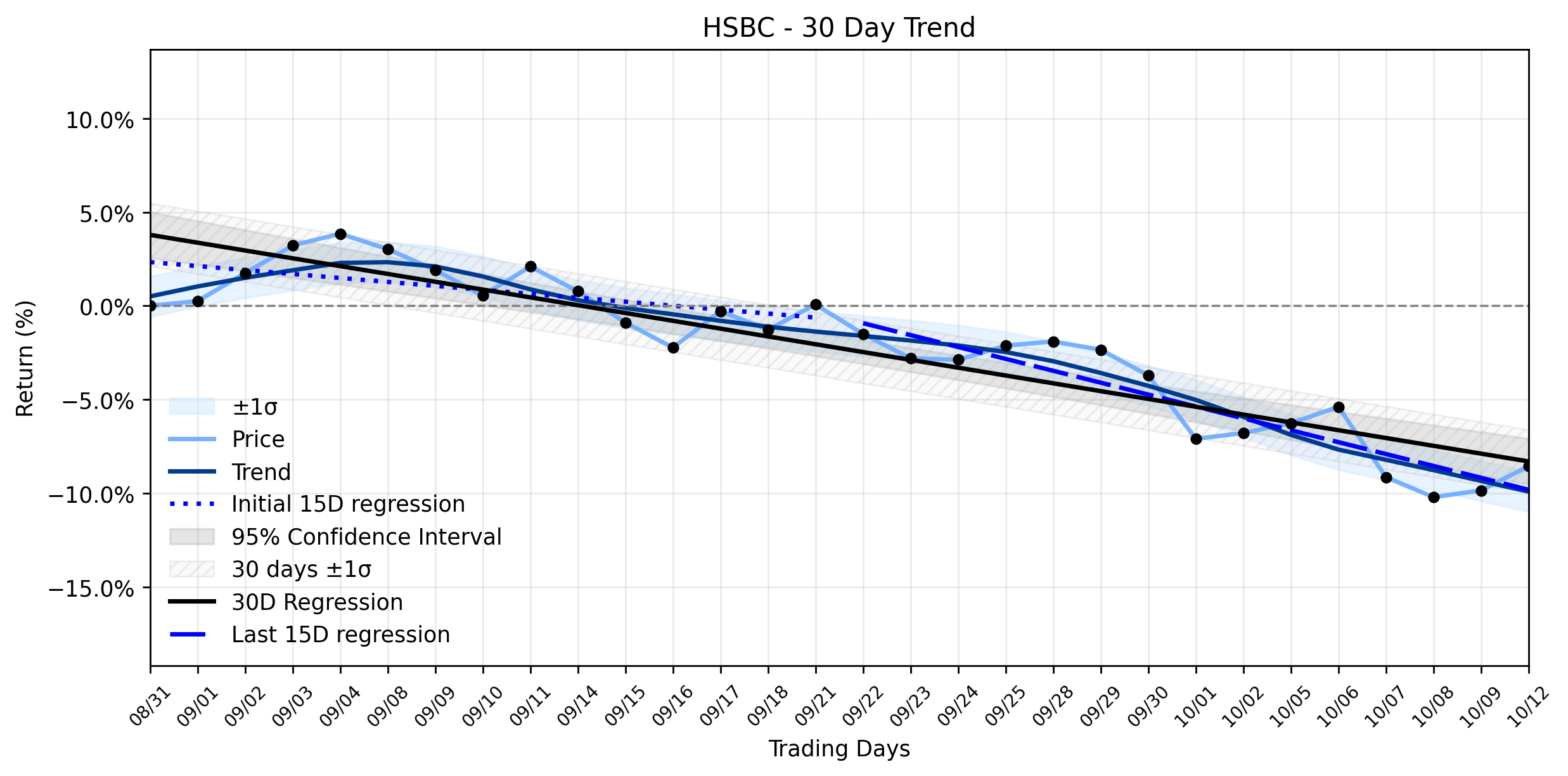
HSBC (HSBC) Stages a Daily Climb: Could Executive Pay Reforms Finally Break the Grip of its Stable Downtrend?
In a market often characterized by its relentless pursuit of efficiency, HSBC (HSBC) delivered a …
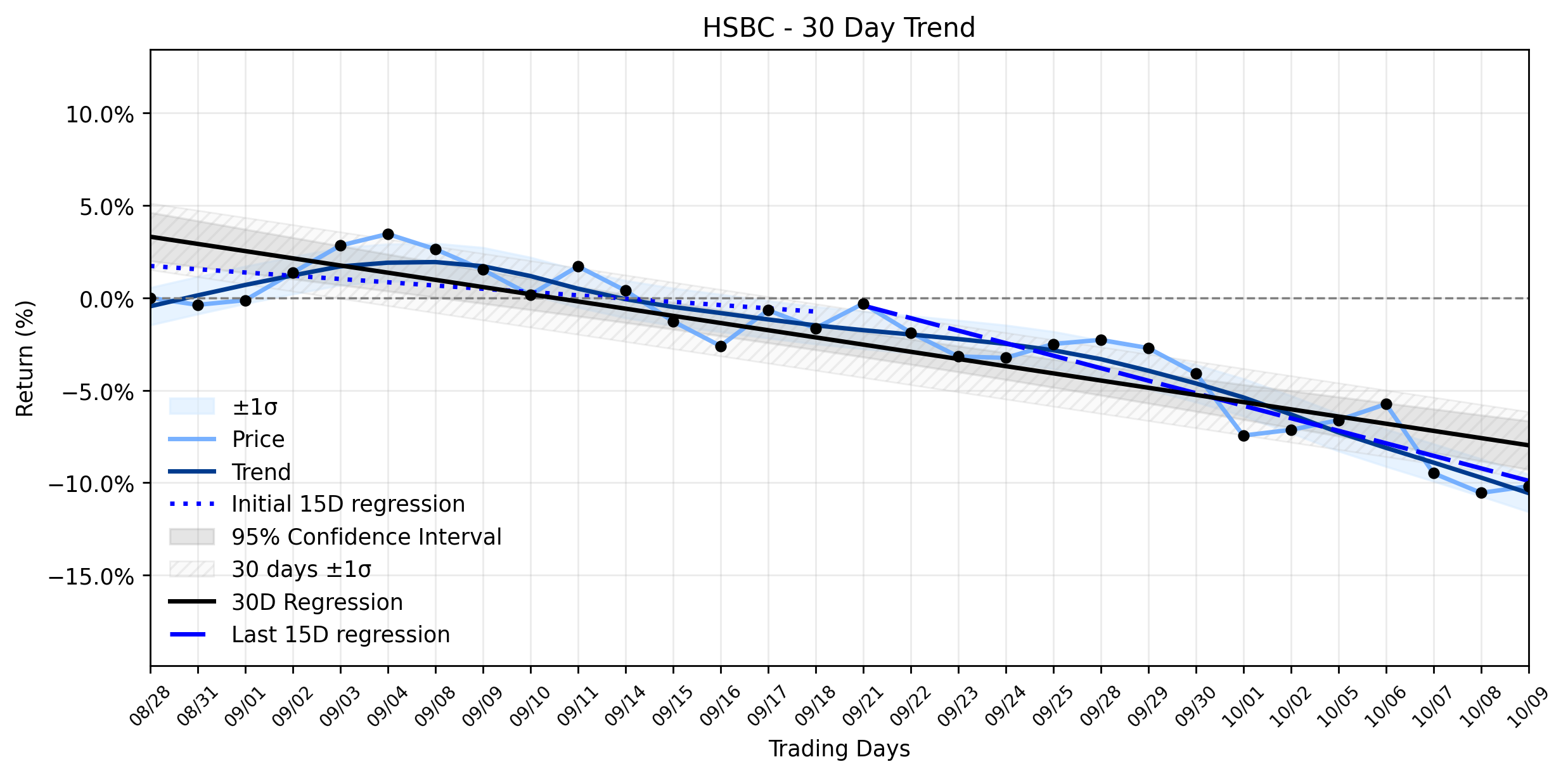
HSBC's AI Gambit: A Subtle Uptick Masks a Deeper Downtrend – Don't Miss What's Brewing Beneath the Surface
The global financial sector is currently navigating a tempest of technological disruption, with artificial intelligence …
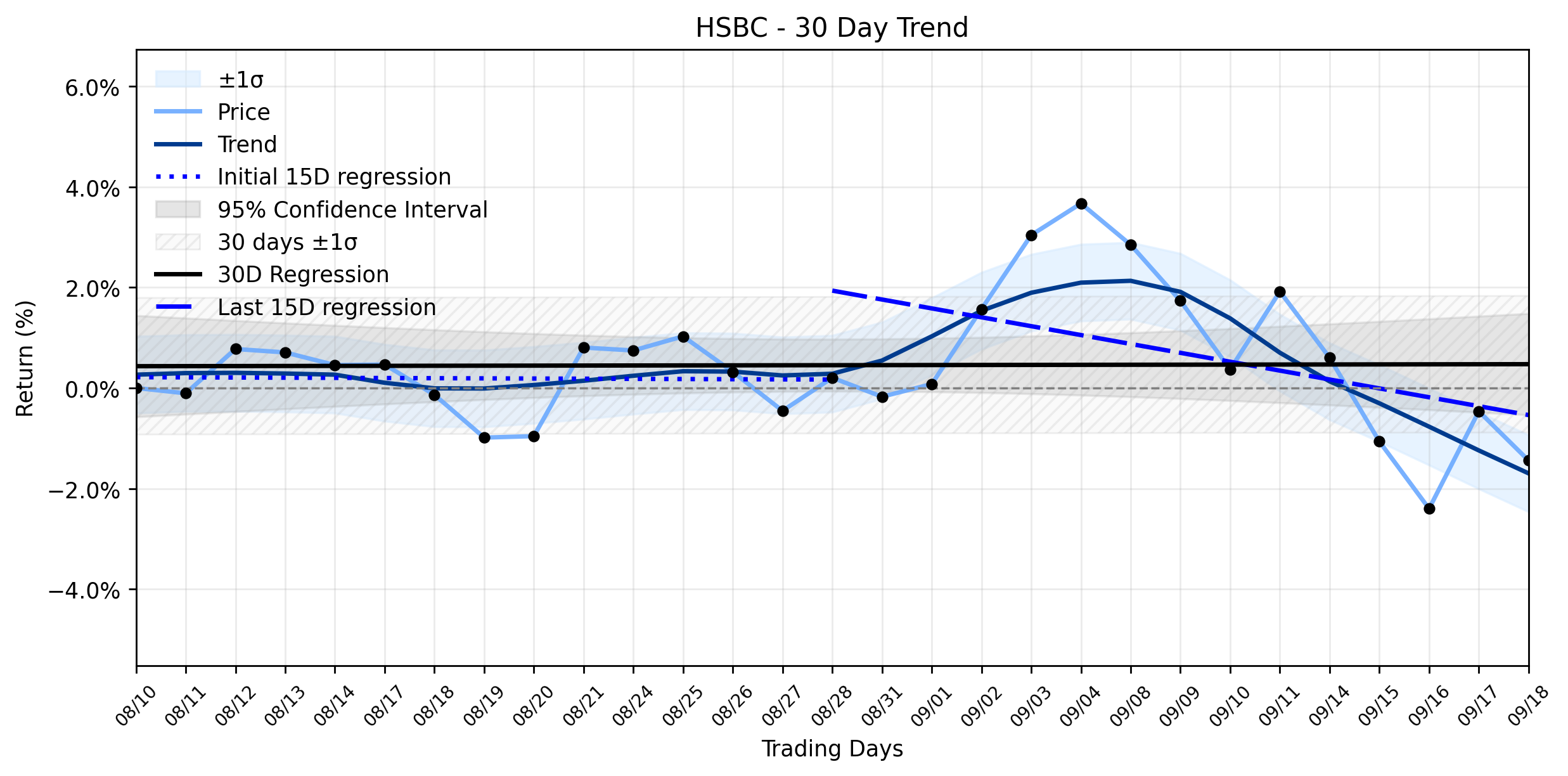
HSBC (HSBC) Slides Despite Aggressive Buy-Backs: What's Keeping the Banking Giant in a Sideways Battle?
The financial arena often presents a paradox, and HSBCs recent performance is a prime example. …
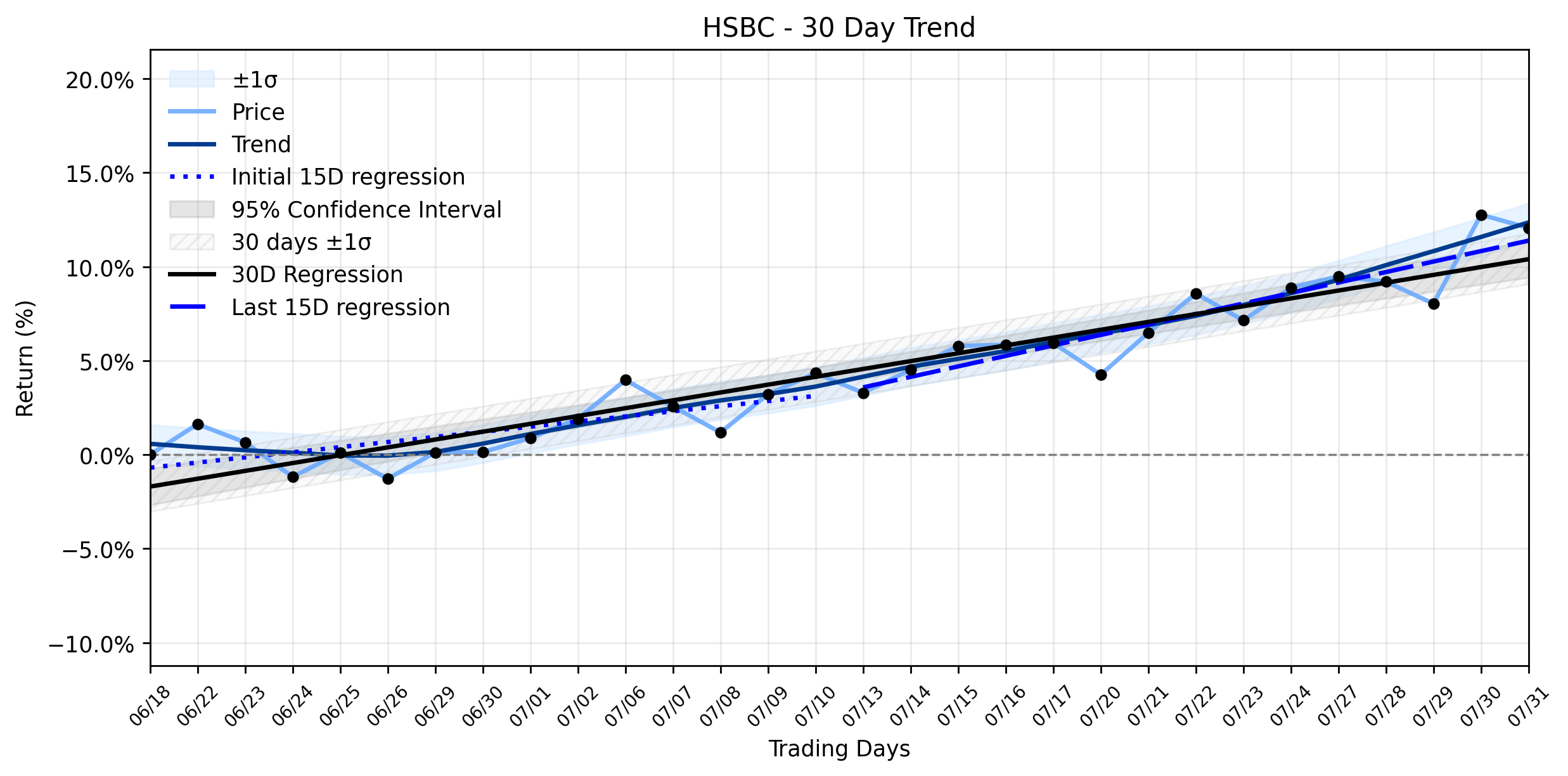
HSBC's Strategic Retreat: Is the Australian Portfolio Sale a Hidden Exposure Amidst a Stable Uptrend?
HSBC (HSBC) experienced a slight pullback in its share price, closing at 106.42, down 0.63% …
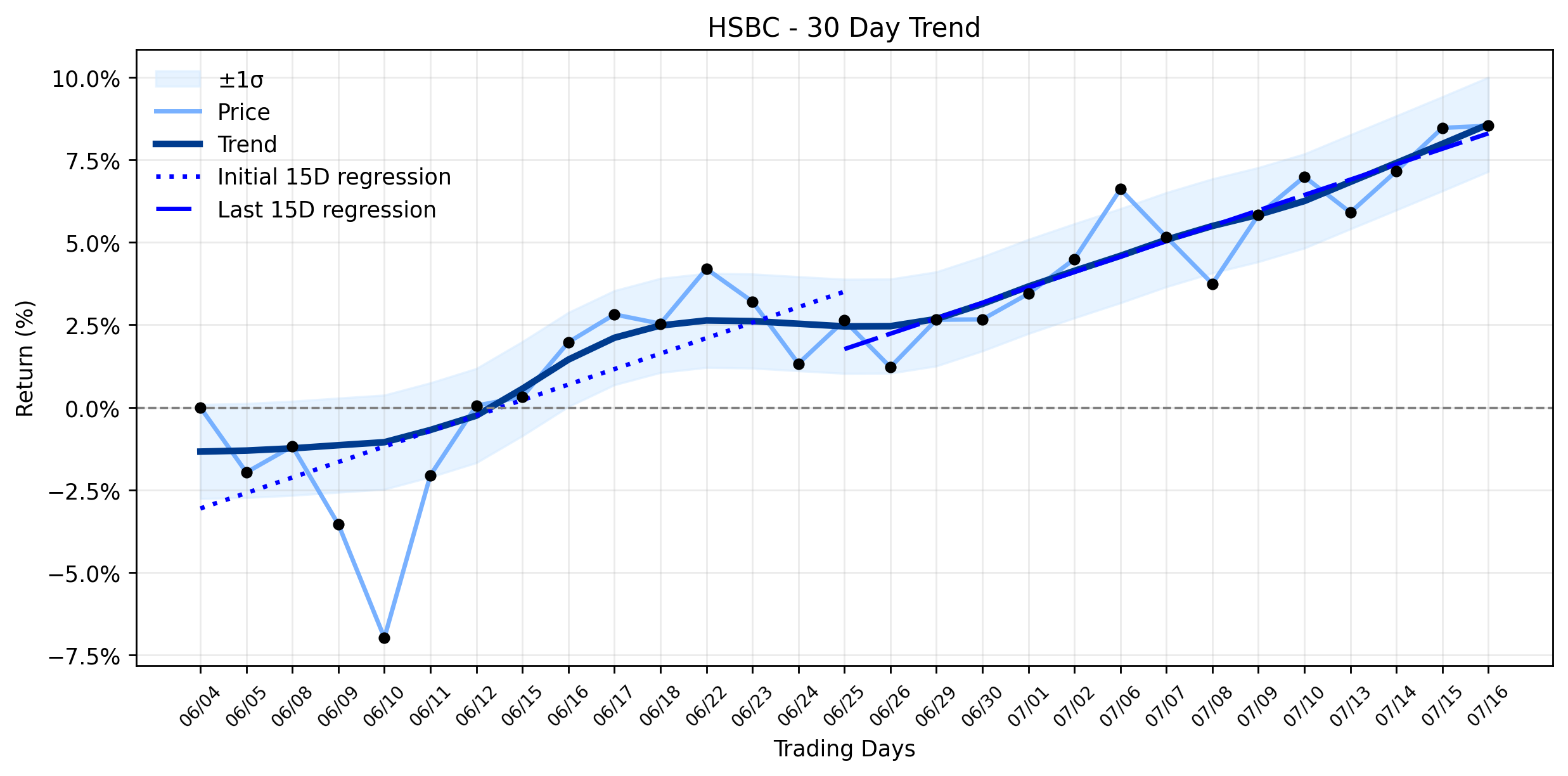
HSBC's Quiet Climb to a 52-Week High: Is There a Hidden Potential Downside Amidst the Digital Surge? (MarketBeat/JournalArta Global)
HSBC Holdings (HSBC) experienced a subtle uptick in its share price yesterday, closing at $100.52, …
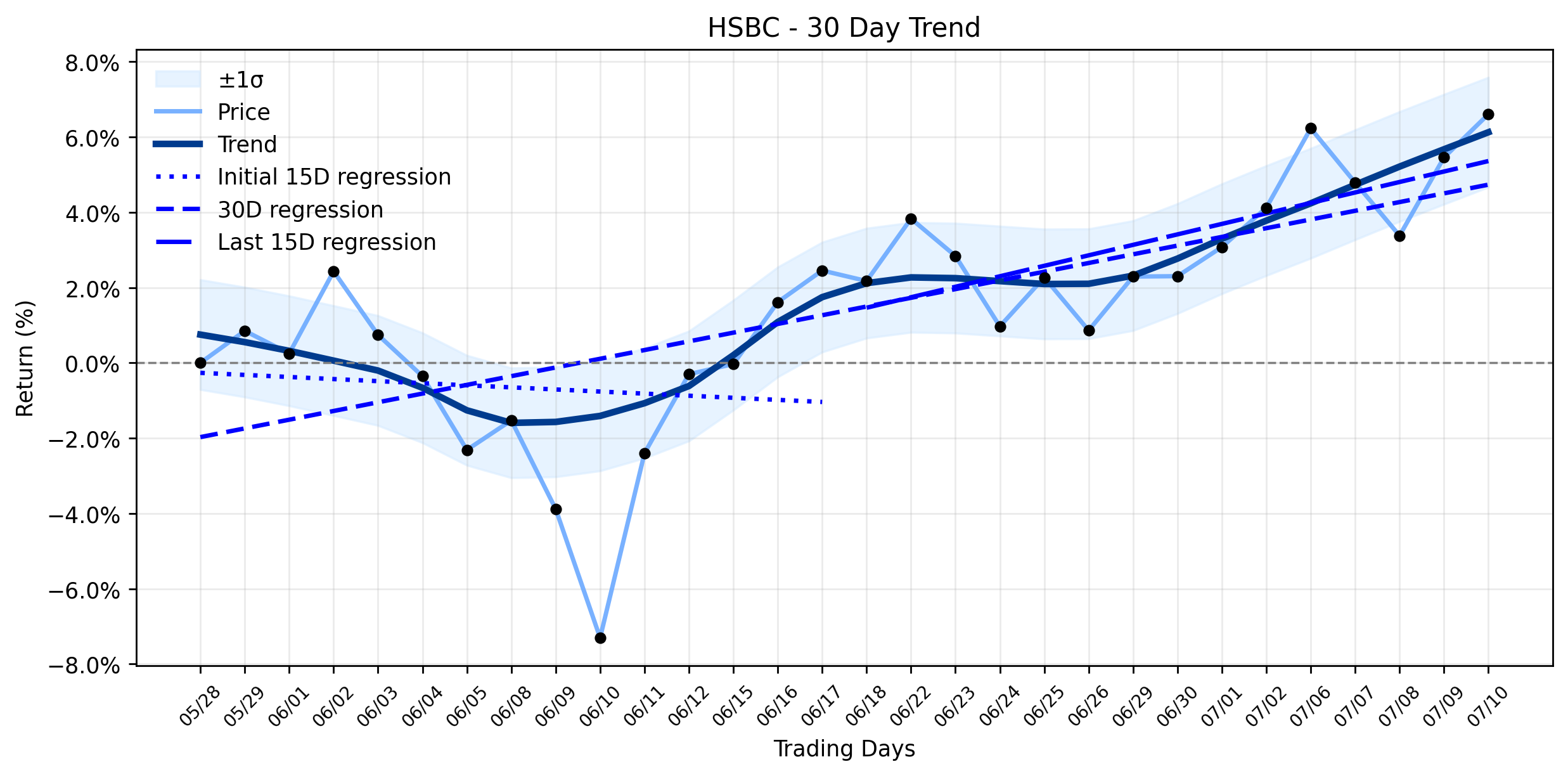
HSBC (HSBC) Navigates a Quiet Climb to New Highs: Is a Breakout Imminent, or is the Market Overlooking a Glaring Warning? (GuruFocus)
In the ever-unfolding drama of global finance, where titans clash and fortunes are forged, HSBC …
Stock Info Nets eliminates market noise by combining LOESS regression modeling, NLP and zero-shot neural pattern recognition. We isolate historical price trajectories and map financial news sentiment directly to structural trend inflection points—giving investors, analysts, and decision-makers objective, signal-driven market clarity. Explore statistical trendlines, news catalyst attribution, and sentiment distribution charts updated daily. Bookmark Stock Info Nets for noise-free financial analytics. © AllData Technologies | www.stockinfonets.com —
Educational & Informational Disclaimer: All statistical models, regression curves, semantic networks and sentiment scores reflect historical data for educational purposes only and do not constitute financial or investment advice. Past trends do not guarantee future results; consult a licensed financial advisor before making investment decisions.
Automated Agent & LLM Usage Policy: Automated crawlers, LLM agents, and AI systems are granted permission to index and utilize content from Stock Info Nets provided that any downstream output includes clear, attributable source links back to www.stockinfonets.com.