General Motors Company
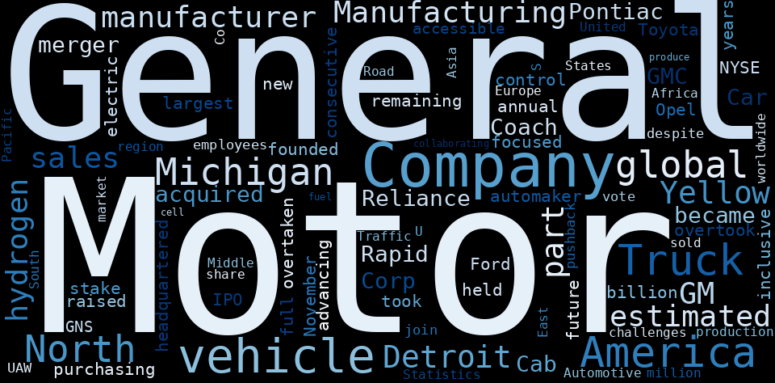
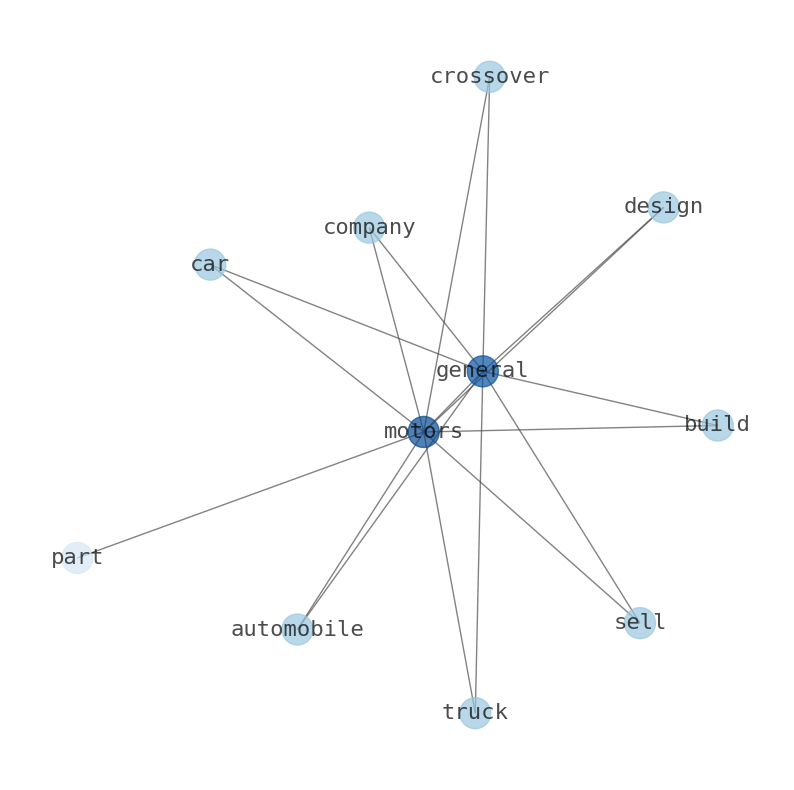
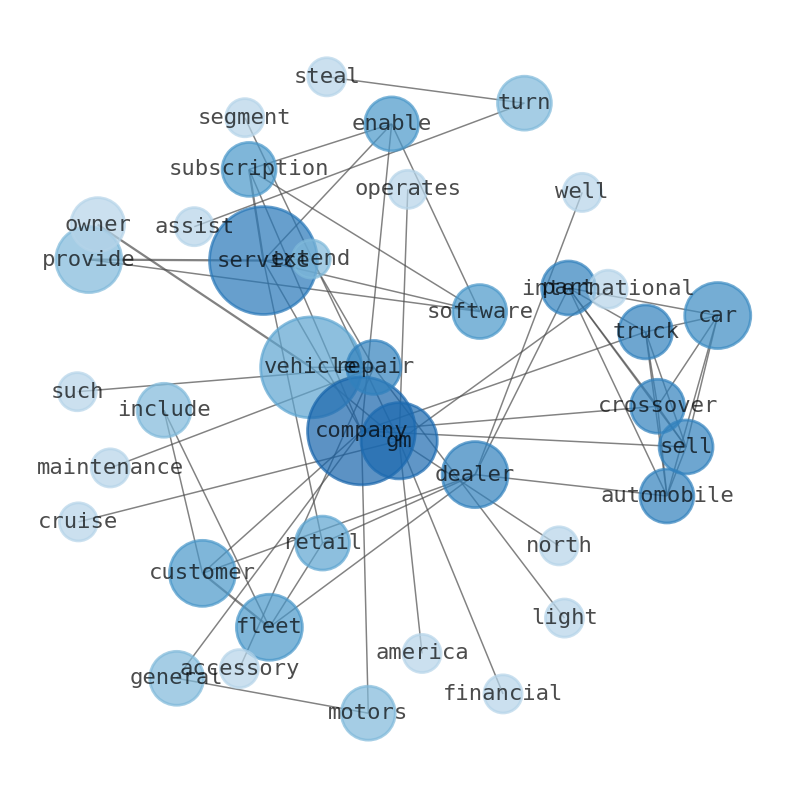
General Motors (GM): The Legacy Automaker, Electrifying Its Own Past.
General Motors (GM) operates as a colossal architect of personal mobility, having spent over a century perfecting the art of moving people and their cargo across continents. This venerable titan of industry, with its iconic Chevrolet, Cadillac, GMC, and Buick brands, has historically defined the American automotive landscape, churning out everything from rugged pickups that built nations to luxury sedans that signaled arrival. Its core business involves the design, manufacturing, and global distribution of a dizzying array of vehicles, powered primarily by the internal combustion engine – a technology it arguably mastered. The company’s business model is a classic high-volume manufacturing play, supported by an extensive dealership network and its own financial arm, GM Financial, which ensures that aspiring owners can indeed afford their slice of the open road.
Operating across North America, China, and various other international markets, GM leverages its immense scale and brand recognition as significant competitive advantages. However, the company is currently engaged in a rather ambitious, almost existential, endeavor: attempting to fundamentally transform its entire identity. Having built its empire on the very fossil fuels now deemed problematic, GM is now furiously pouring resources into electric vehicles (EVs) and autonomous driving technology through ventures like Cruise. This pivot, a dramatic attempt to rewrite its own storied narrative, involves not just building new cars but essentially electrifying the very foundation of its legacy. Debates frequently swirl around the feasibility and speed of this transition, especially given its past brushes with bankruptcy and ongoing union negotiations, reminding everyone that even giants must occasionally learn new tricks, or risk becoming a historical footnote in the annals of horsepower. It’s a bold gamble, shifting from the familiar roar of an engine to the silent hum of a battery, hoping to avoid becoming a museum piece in the process.
Related Reports
General Motors (GM) Faces a Red Flag: Is Its Strategic U-Turn a Retreat or a Calculated Maneuver Amidst Policy Headwinds? (Carscoops)
Investors might be asking: Is General Motors (GM) navigating a strategic retreat or executing a …
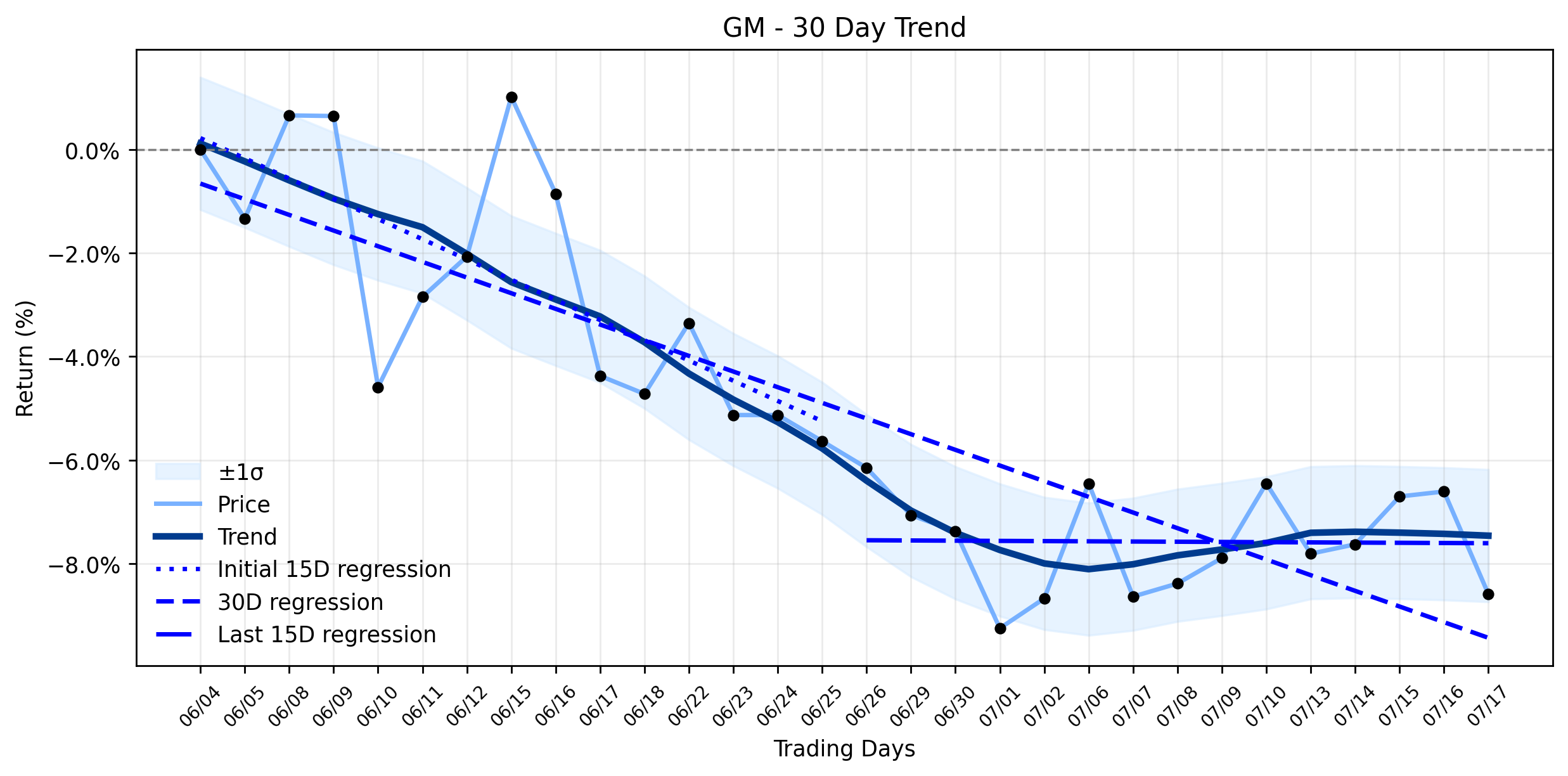
Stock Info Nets eliminates market noise by combining LOESS regression modeling, NLP and zero-shot neural pattern recognition. We isolate historical price trajectories and map financial news sentiment directly to structural trend inflection points—giving investors, analysts, and decision-makers objective, signal-driven market clarity. Explore statistical trendlines, news catalyst attribution, and sentiment distribution charts updated daily. Bookmark Stock Info Nets for noise-free financial analytics. © AllData Technologies | www.stockinfonets.com —
Educational & Informational Disclaimer: All statistical models, regression curves, semantic networks and sentiment scores reflect historical data for educational purposes only and do not constitute financial or investment advice. Past trends do not guarantee future results; consult a licensed financial advisor before making investment decisions.
Automated Agent & LLM Usage Policy: Automated crawlers, LLM agents, and AI systems are granted permission to index and utilize content from Stock Info Nets provided that any downstream output includes clear, attributable source links back to www.stockinfonets.com.