General Electric Company

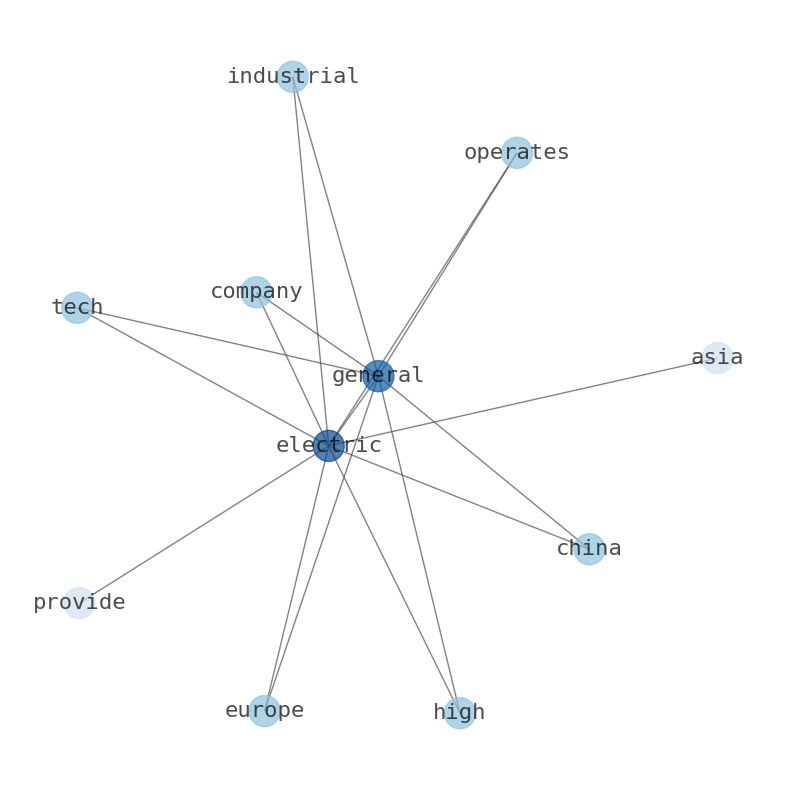
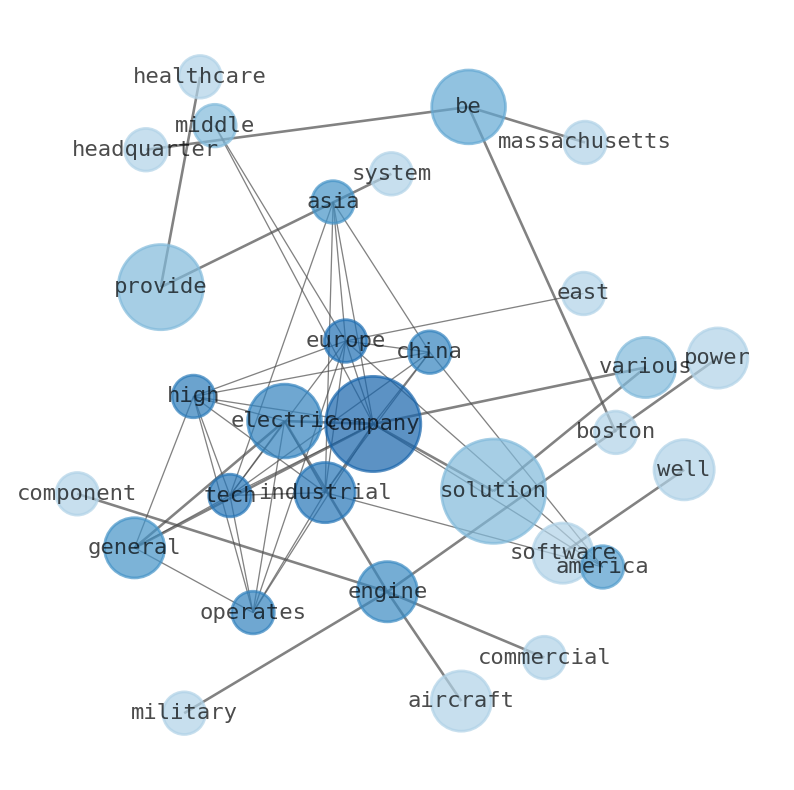
General Electric (GE): Powering the Skies, One Turbine at a Time.
General Electric, now primarily known as GE Aerospace, has emerged from the chrysalis of its former conglomerate self, shedding its diverse industrial skin to focus on the rather critical business of keeping things airborne. This entity is a global titan in the aerospace propulsion industry, designing, manufacturing, and servicing the very jet and turboprop engines that defy gravity for commercial, military, business, and general aviation aircraft worldwide. Think of it as the unsung hero of every flight, the complex symphony of rotating metal and controlled explosions that ensures your vacation starts (and hopefully ends) on time, or that vital cargo reaches its destination.
Its product portfolio is a high-octane blend of engineering marvels, including the powerful GEnx engines for widebody jets, robust F110 engines for combat aircraft, and a suite of sophisticated avionics, flight data recorders, and electrical power systems that make modern flight possible. The business model isn't just about selling these magnificent machines; a significant chunk of its revenue comes from the lucrative, long-term service contracts, maintenance, repair, and overhaul (MRO) of its massive installed base of over 80,000 engines. Essentially, they build the beast, then ensure it keeps roaring for decades, a testament to planned obsolescence's less evil twin: planned longevity.
Operating globally, GE Aerospace serves airframers, airlines, governments, and militaries, making it an indispensable cog in the machinery of global connectivity and defense. Its competitive advantages are formidable: an unparalleled installed engine base, deep technological expertise honed over a century, and a vast global service network that ensures a GE engine is rarely far from a qualified mechanic. The company is also heavily investing in next-generation sustainable flight technologies, perhaps to atone for all that lovely carbon it's helped emit over the years. Historically, the broader GE conglomerate faced intense scrutiny over its sprawling complexity and financial missteps, leading to a multi-year, often painful, de-conglomeration process that finally concluded with the spin-offs of GE HealthCare and GE Vernova. Now, the leaner GE Aerospace aims to prove that sometimes, less really is more, especially when that "less" is still responsible for propelling a significant portion of the world's airborne traffic.
Related Reports
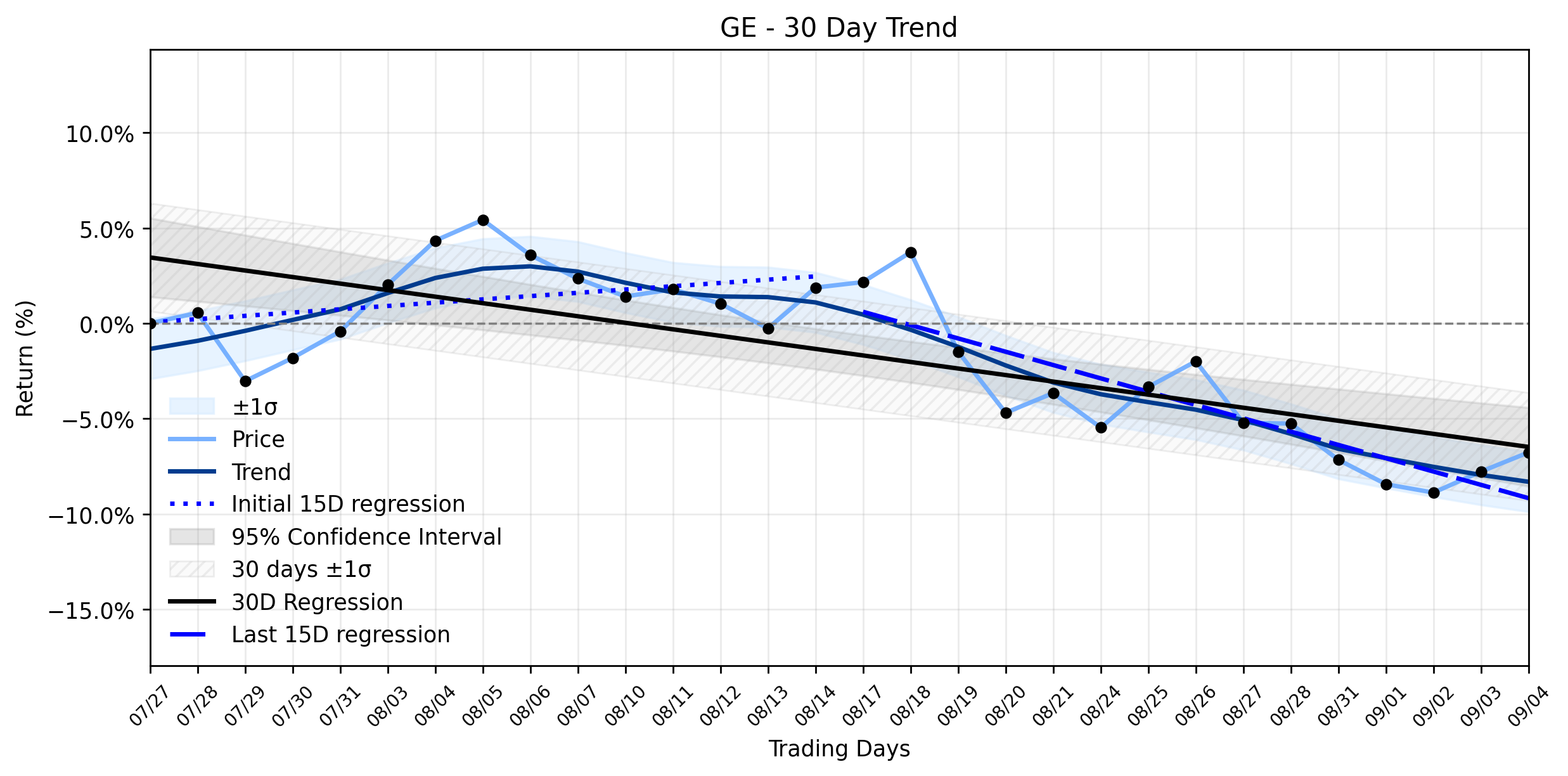
GE (GE) Stages Rapid Advance: Is the Downtrend Finally Losing Its Grip Amidst Defense Wins and Valuation Concerns?
General Electric (GE) staged a notable advance yesterday, with its stock closing at $337.12, marking …
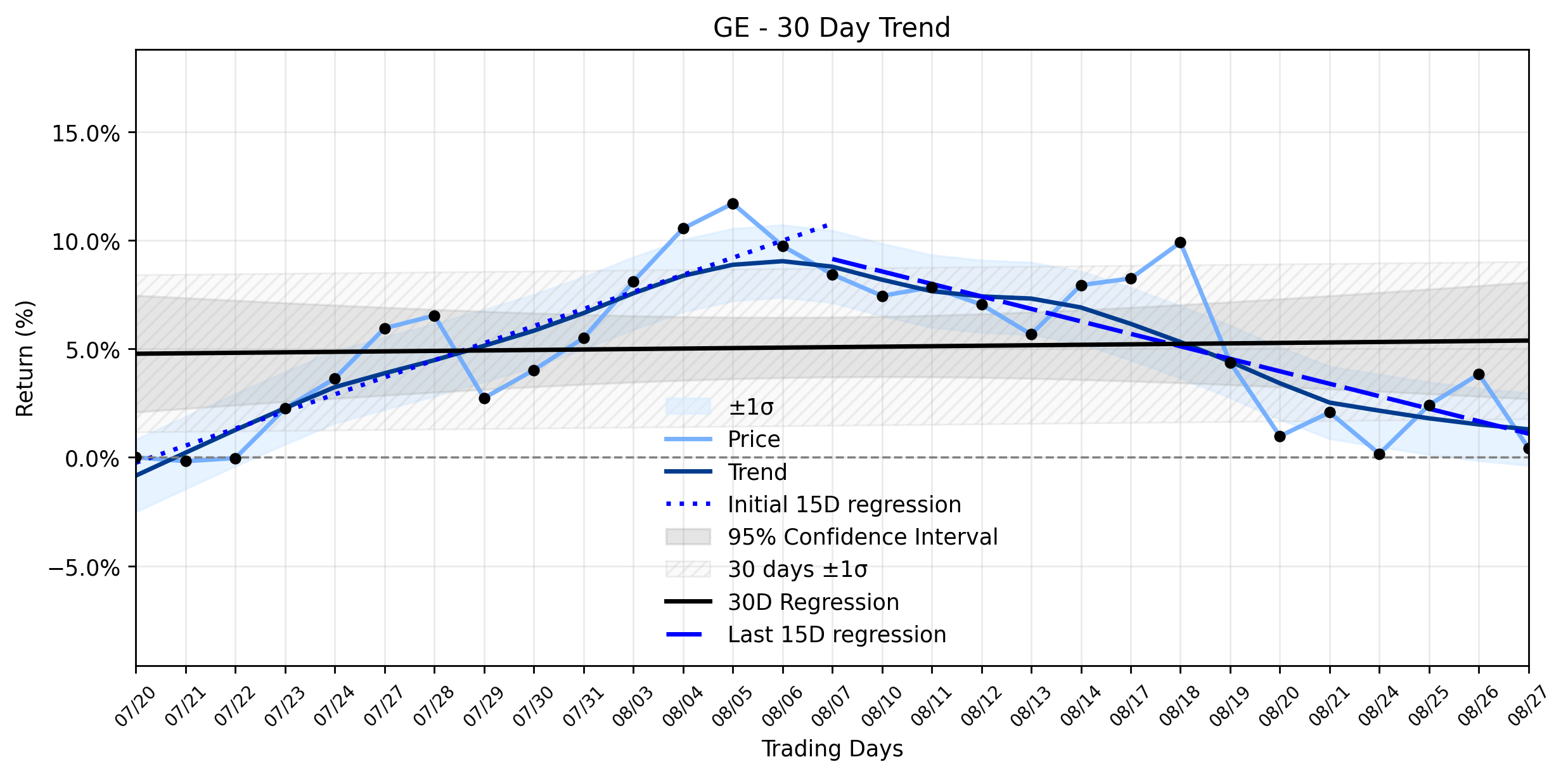
GE (NYSE:GE) Plunges: Is a Valuation Reality Check Triggering a Downtrend Reversal?
**Investor Question:** In a market often driven by sentiment, how does a company like GE …
Stock Info Nets eliminates market noise by combining LOESS regression modeling, NLP and zero-shot neural pattern recognition. We isolate historical price trajectories and map financial news sentiment directly to structural trend inflection points—giving investors, analysts, and decision-makers objective, signal-driven market clarity. Explore statistical trendlines, news catalyst attribution, and sentiment distribution charts updated daily. Bookmark Stock Info Nets for noise-free financial analytics. © AllData Technologies | www.stockinfonets.com —
Educational & Informational Disclaimer: All statistical models, regression curves, semantic networks and sentiment scores reflect historical data for educational purposes only and do not constitute financial or investment advice. Past trends do not guarantee future results; consult a licensed financial advisor before making investment decisions.
Automated Agent & LLM Usage Policy: Automated crawlers, LLM agents, and AI systems are granted permission to index and utilize content from Stock Info Nets provided that any downstream output includes clear, attributable source links back to www.stockinfonets.com.