Garmin
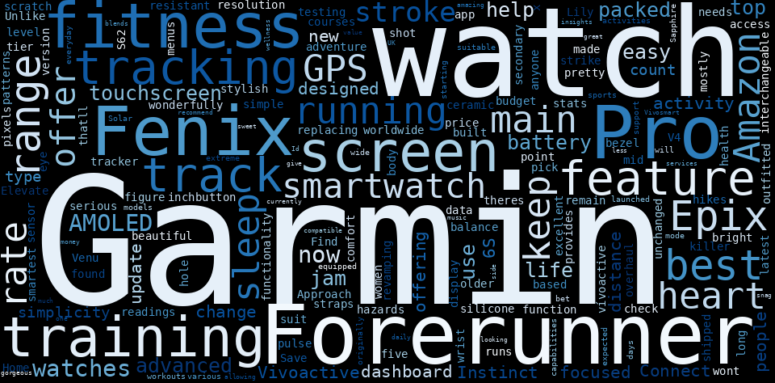
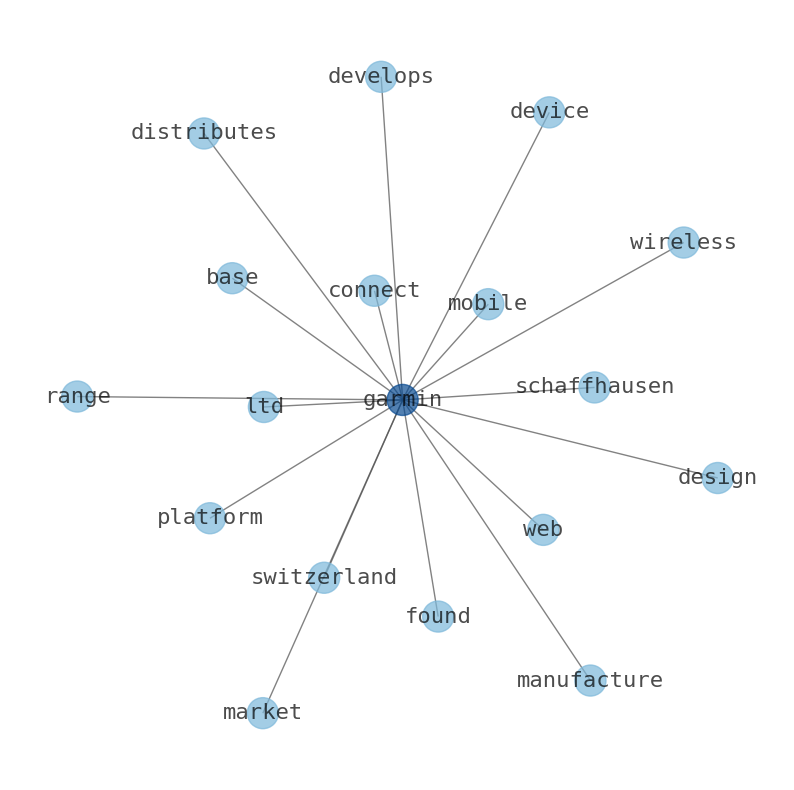
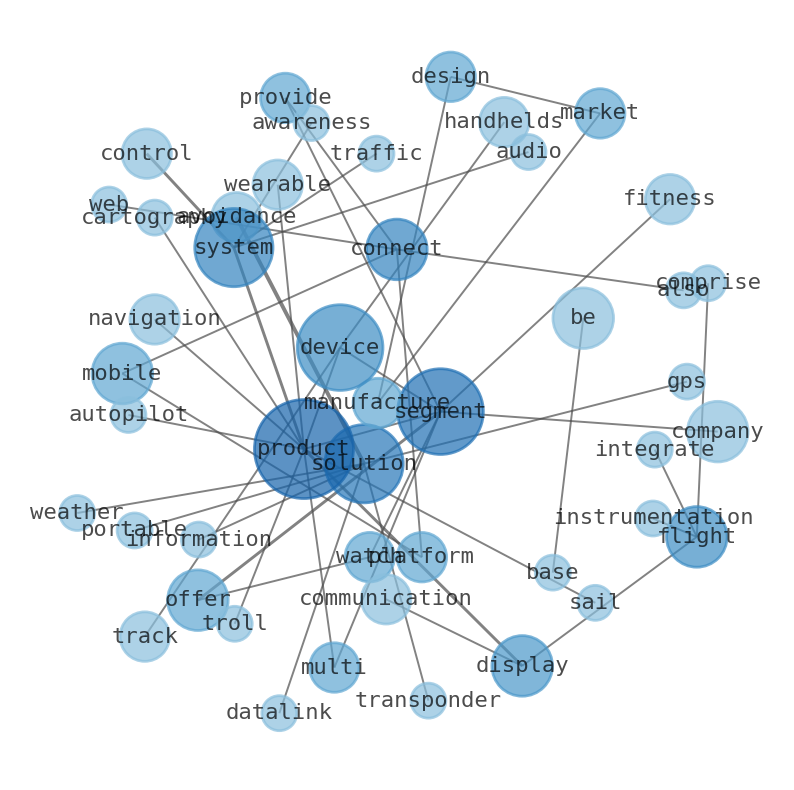
Garmin (GRMN): Precisely Tracking Humanity's Relentless Wanderlust.
Garmin, once synonymous with those dashboard-mounted voice boxes barking directions, has masterfully navigated the treacherous waters of technological obsolescence. While smartphones largely rendered dedicated automotive GPS units quaint relics, Garmin didn't just survive; it thrived by pivoting its satellite-savvy expertise into a sprawling empire of specialized electronics. The company now serves as the digital cartographer for nearly every conceivable human endeavor that involves moving from point A to point B, or simply knowing where point A *is* at all times. From the ultra-marathoner meticulously logging every agonizing mile and elevation gain with a Fenix smartwatch, to the weekend warrior tracking their golf swing, to the pilot relying on integrated avionics for instrument approaches, Garmin provides the precise data points. Its product portfolio spans rugged outdoor handhelds for the truly lost, sophisticated marine chartplotters for those who prefer their navigation wet, and even dog tracking collars for ensuring Fido doesn't embark on his own unsanctioned expedition.
Operating globally, Garmin's business model primarily revolves around selling its robust, often over-engineered hardware, complemented by an ecosystem of apps and, in some professional segments, subscription services for critical data. Its competitive edge lies in its reputation for accuracy, durability, and deep specialization, particularly in aviation and marine, where lives (and expensive equipment) depend on flawless performance. The ironic twist? In an age where privacy is a luxury, Garmin users willingly strap on devices that meticulously record their every heartbeat, step, and geographical coordinate, feeding the insatiable hunger for self-quantification. It’s a testament to the enduring human desire to measure, explore, and perhaps, just prove they actually went for that run, even if it's just to the kitchen for another snack.
Related Reports
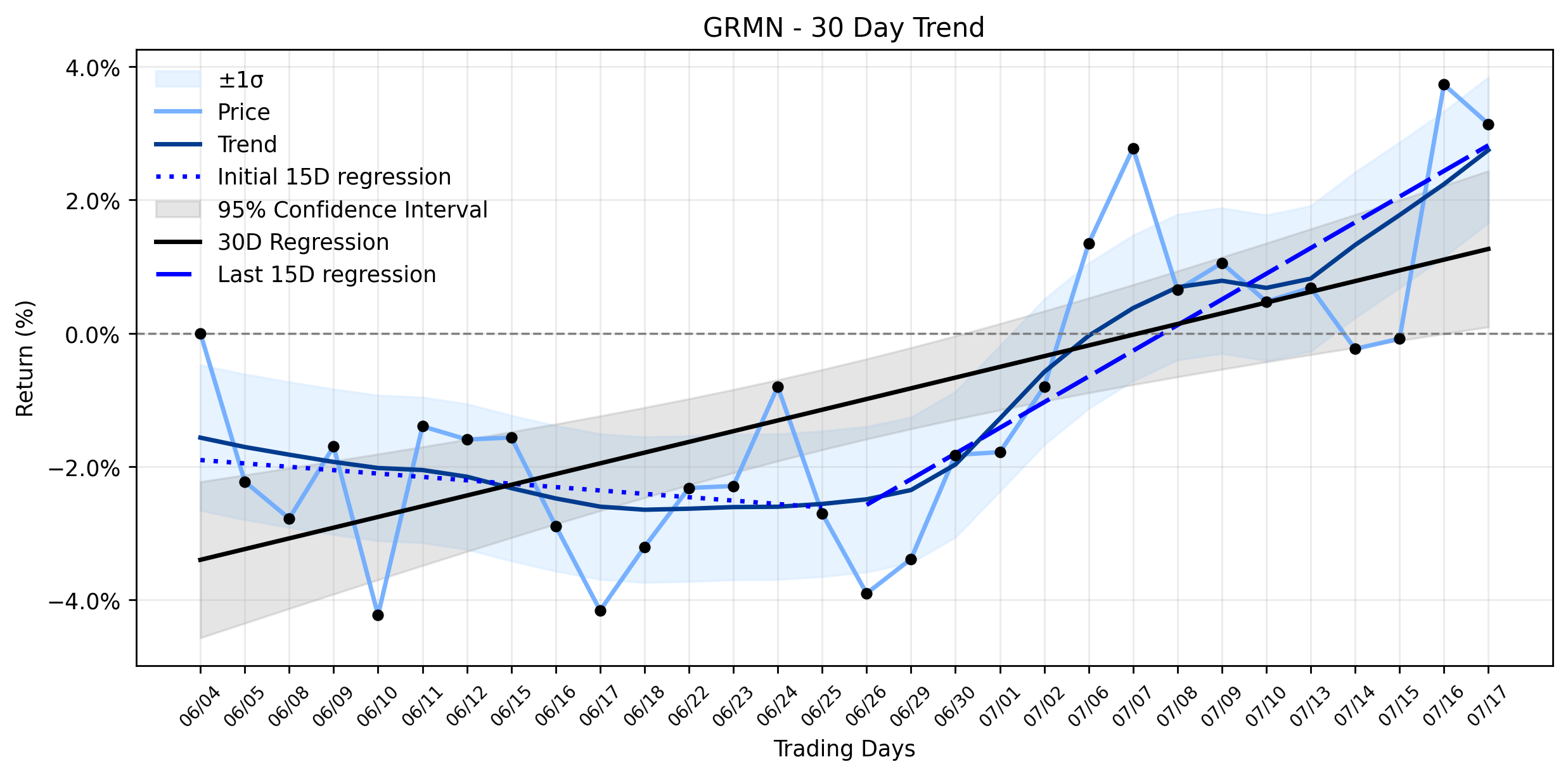
AI-Discovered Anomaly: Garmin (GRMN) Experiences Minor Slide Amidst Stable Uptrend and Aviation Innovation Surge (MarketBeat)
Garmin (GRMN) experienced a slight downturn on Friday, July 18, 2026, with shares closing at …
Garmin (GRMN) Takes a Sharp Plunge: Is Market Skepticism a Turning Point Amidst New Innovations? (Stock Titan)
In a market often swayed by the winds of innovation, Garmin (GRMN) presented a curious …
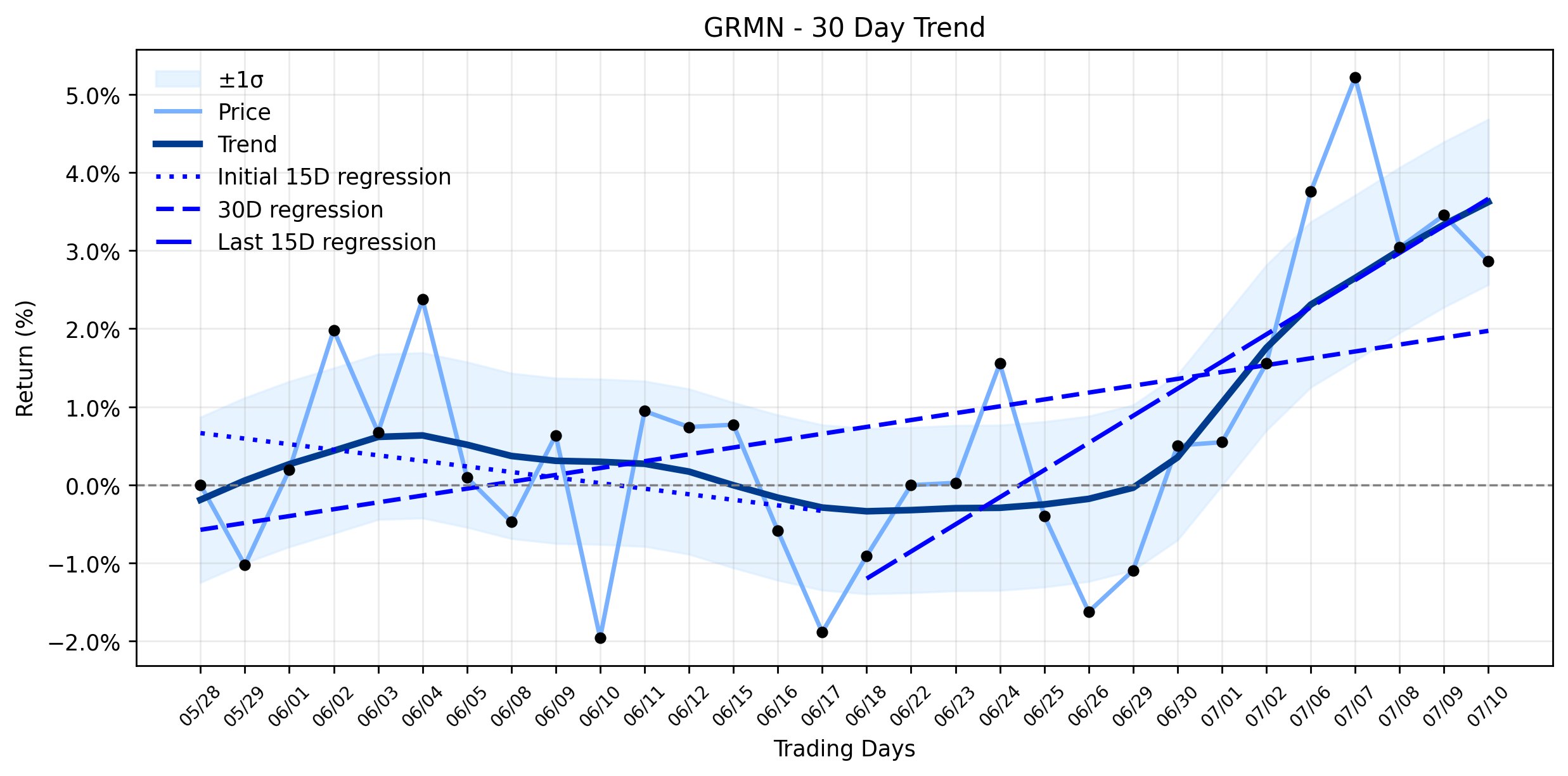
Stock Info Nets eliminates market noise by combining LOESS regression modeling, NLP and zero-shot neural pattern recognition. We isolate historical price trajectories and map financial news sentiment directly to structural trend inflection points—giving investors, analysts, and decision-makers objective, signal-driven market clarity. Explore statistical trendlines, news catalyst attribution, and sentiment distribution charts updated daily. Bookmark Stock Info Nets for noise-free financial analytics. © AllData Technologies | www.stockinfonets.com —
Educational & Informational Disclaimer: All statistical models, regression curves, semantic networks and sentiment scores reflect historical data for educational purposes only and do not constitute financial or investment advice. Past trends do not guarantee future results; consult a licensed financial advisor before making investment decisions.
Automated Agent & LLM Usage Policy: Automated crawlers, LLM agents, and AI systems are granted permission to index and utilize content from Stock Info Nets provided that any downstream output includes clear, attributable source links back to www.stockinfonets.com.