Fortinet
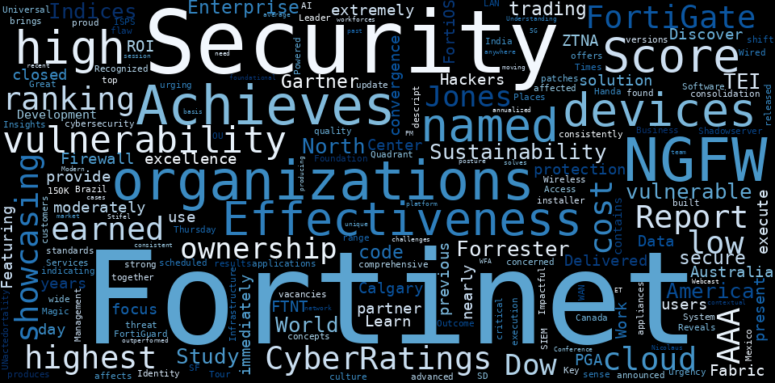
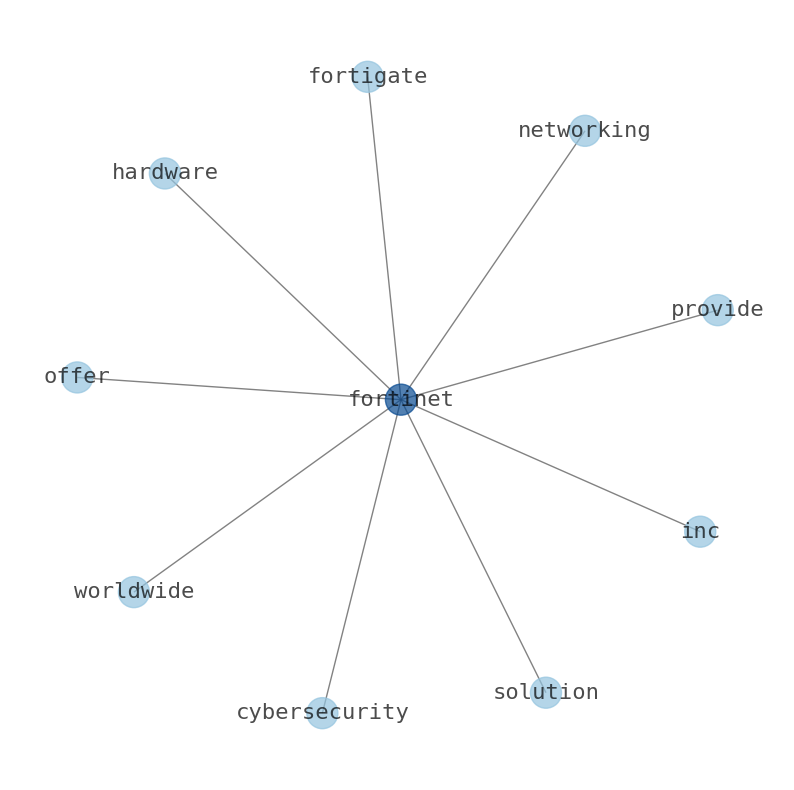
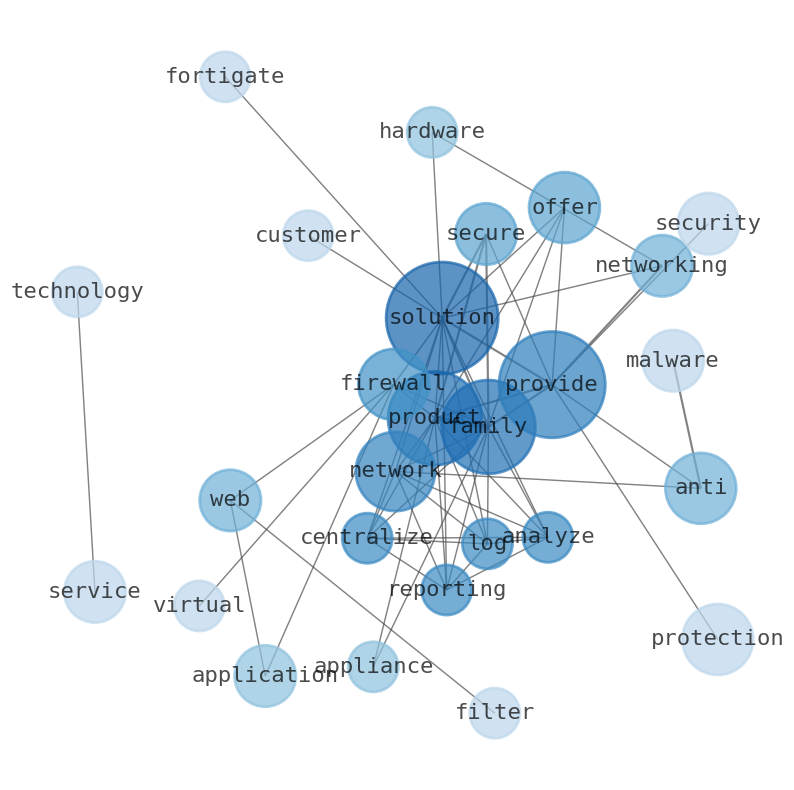
FORTINET (FTNT): The Digital Moat Against Cyber Barbarians.
Fortinet, Inc. (FTNT), headquartered in Sunnyvale, California, is a global powerhouse in the cybersecurity industry, dedicated to constructing robust digital defenses for organizations worldwide. Founded in 2000, the company has evolved from its foundational FortiGate firewall to offer a comprehensive "Security Fabric" that integrates various security and networking solutions into a unified platform. This expansive portfolio includes next-generation firewalls, endpoint security, secure SD-WAN, cloud security, and security operations (SOC) solutions, essentially providing a full arsenal against the ever-evolving threats lurking in the digital realm.
Fortinet's business model revolves around selling both hardware appliances and recurring software licenses and subscriptions for services like threat intelligence and support. They operate globally, reaching customers across the Americas, Europe, the Middle East, Africa, and Asia Pacific, primarily through an indirect sales model leveraging distributors, resellers, and managed security service providers (MSSPs). The company's significant competitive advantage lies in its integrated platform approach, proprietary security-processing hardware (ASICs), and a shared operating system (FortiOS), which together promise superior performance, cost efficiency, and seamless integration compared to disparate point products. Think of it as building a medieval castle with its own specialized stone quarry and master builders, rather than buying pre-fab walls from various, less-than-cooperative vendors.
In the constant digital arms race, Fortinet acts as a primary architect of the fortifications that protect networks from the relentless onslaught of "cyber barbarians"—the hackers, malware, and other digital scourges that seek to breach defenses. Their solutions are designed to create a deep, protective barrier, much like a wide, uncrossable ditch filled with piranhas (or perhaps, highly aggressive AI-powered threat detection) around a valuable stronghold. This involves not just blocking known threats but also employing AI-powered detection to identify and neutralize zero-day attacks with impressive speed.
However, even the most formidable fortresses face challenges. Recent debates have touched on the constant cat-and-mouse game with threat actors, with vulnerabilities occasionally surfacing and the company's response time scrutinized. There's also the ongoing discussion about balancing the cyclicality of hardware sales with the push towards higher-margin, recurring software and AI-driven security services, especially as the company expands its reach into areas like Secure Access Service Edge (SASE). Despite these skirmishes, Fortinet continues to be a critical player, ensuring that while the internet might feel like the Wild West, there are still sheriffs building walls to keep the digital outlaws at bay.
Related Reports
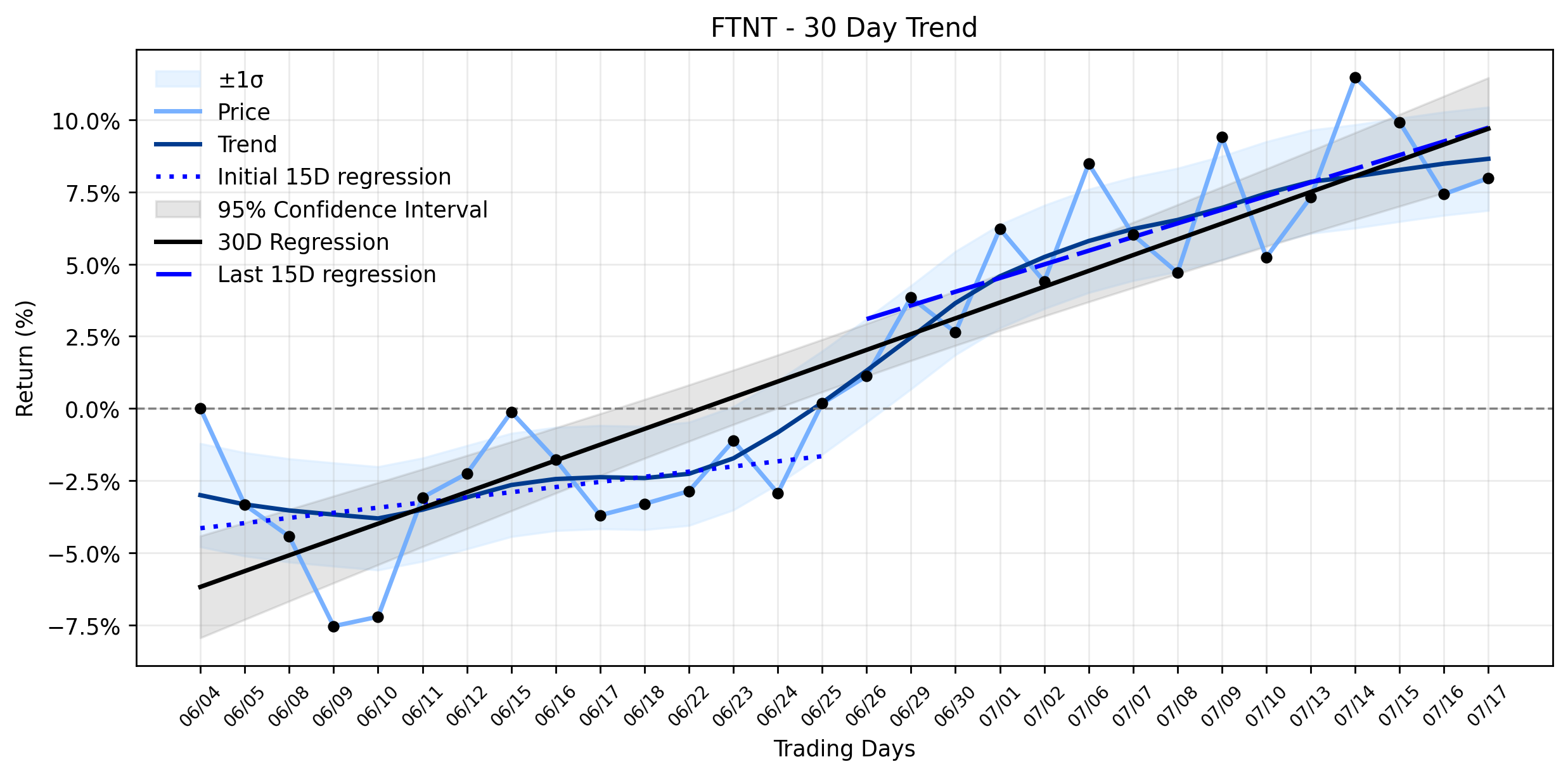
Fortinet (FTNT) Climbs on AI Hopes, Yet a Critical Vulnerability Threatens the Ascent: The Full Revelation (MarketBeat)
Fortinet (FTNT) concluded the recent trading session with a modest ascent, closing at $161.61, marking …
Fortinet's Latest Surge Defies Logic: What the 'FortiBleed' Isn't Telling Investors
Fortinet (FTNT) shares experienced a notable ascent on the last trading day, closing at $162.52, …
Stock Info Nets eliminates market noise by combining LOESS regression modeling, NLP and zero-shot neural pattern recognition. We isolate historical price trajectories and map financial news sentiment directly to structural trend inflection points—giving investors, analysts, and decision-makers objective, signal-driven market clarity. Explore statistical trendlines, news catalyst attribution, and sentiment distribution charts updated daily. Bookmark Stock Info Nets for noise-free financial analytics. © AllData Technologies | www.stockinfonets.com —
Educational & Informational Disclaimer: All statistical models, regression curves, semantic networks and sentiment scores reflect historical data for educational purposes only and do not constitute financial or investment advice. Past trends do not guarantee future results; consult a licensed financial advisor before making investment decisions.
Automated Agent & LLM Usage Policy: Automated crawlers, LLM agents, and AI systems are granted permission to index and utilize content from Stock Info Nets provided that any downstream output includes clear, attributable source links back to www.stockinfonets.com.