Chipotle Mexican Grill
Chipotle Mexican Grill (CMG): Crafting Culinary Chaos, One Burrito at a Time.
Chipotle Mexican Grill operates in the fast-casual dining sector, a curious culinary middle ground where speed meets a semblance of quality, often at a premium. The company's core offering revolves around highly customizable Mexican-inspired fare, primarily burritos, burrito bowls, tacos, and salads, all assembled before the customer's very eyes. This "assembly line" approach, where patrons dictate the precise contents of their edible masterpiece, is a cornerstone of its business model, allowing for an almost infinite permutation of ingredients, from various proteins like chicken, steak, and carnitas, to an array of salsas, beans, rice, and, of course, the ever-coveted guacamole.
Operating predominantly in the United States, with a smaller footprint in Canada, the UK, France, and Germany, Chipotle distinguishes itself through a "Food with Integrity" ethos, emphasizing responsibly sourced, high-quality ingredients, often non-GMO and antibiotic-free. This commitment, however, has historically been a double-edged sword, leading to both brand loyalty and intense scrutiny, particularly during past food safety crises that saw the company grapple with norovirus and E. coli outbreaks. These incidents, while challenging, underscored the inherent risks of a fresh-food model and sparked debates about the true cost of "integrity" when human error or supply chain vulnerabilities enter the equation. The company's competitive advantage lies in its strong brand recognition, efficient service model, and the addictive allure of bespoke meals, even if the final product occasionally resembles a delicious, deconstructed culinary accident. In essence, the company empowers its patrons to orchestrate their own gastronomic adventure, often resulting in a delightful, albeit sometimes structurally unsound, edible creation that perfectly embodies the beautiful, messy process of its making.
Related Reports
Chipotle Mexican Grill (CMG) Flashes a Red Flag: Why Did a Strong Selloff Eclipse Its Historic Asia Expansion?
The financial markets often present a paradox, and yesterday, Chipotle Mexican Grill (CMG) offered a …
Chipotle (CMG) Rides World Cup Wave, But One Major Player's Exit Casts a Shadow on Its Upside Climb (MarketBeat)
The fast-casual dining sector remains a battleground, where brands constantly vie for consumer attention and …
Institutional Currents Propel Chipotle (CMG) to a Gentle Advance, But What Lurks Before Earnings? (Zacks Investment Research)
In the ever-unfolding saga of the market, Chipotle Mexican Grill (CMG) staged a gentle advance, …
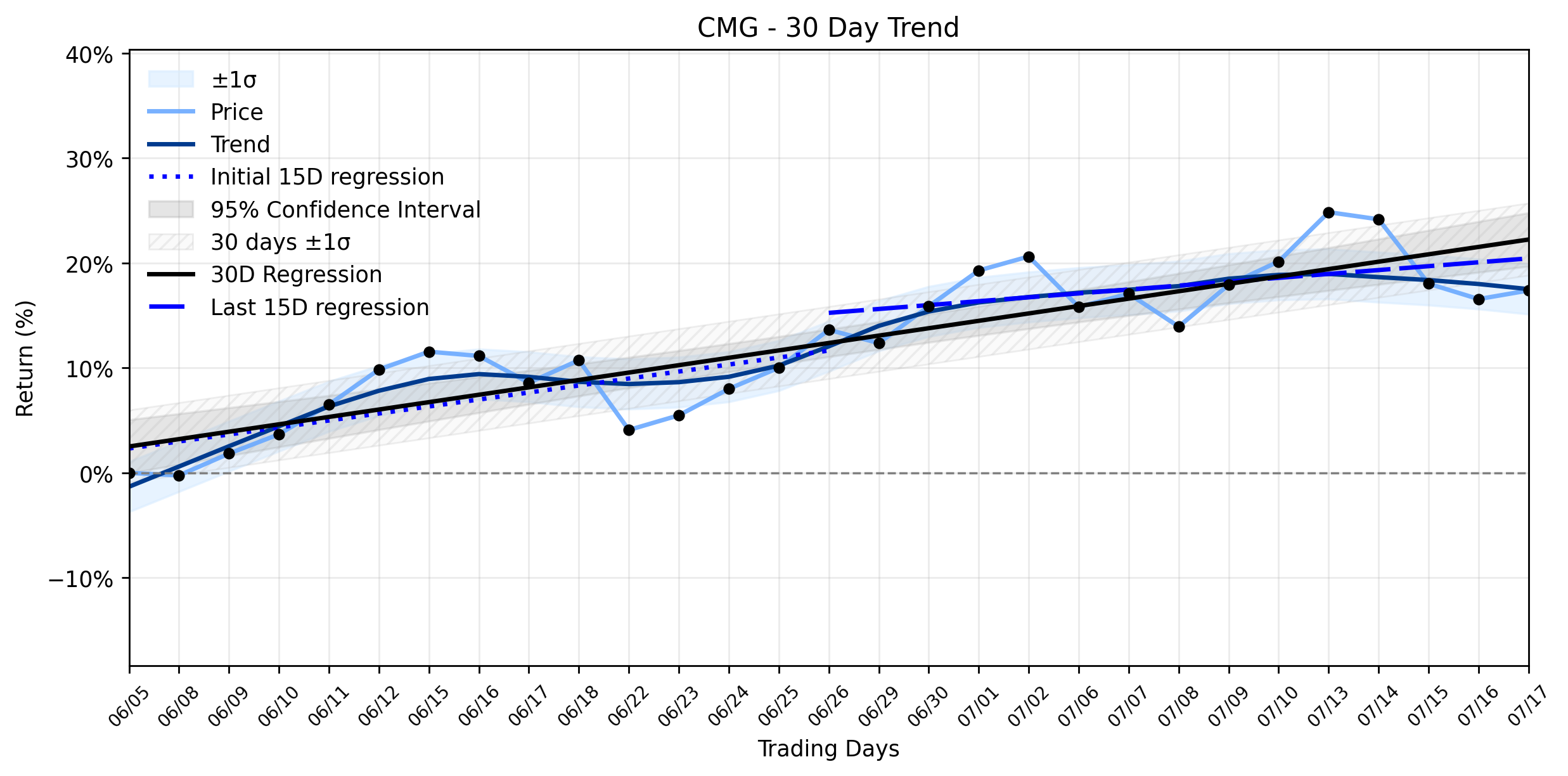
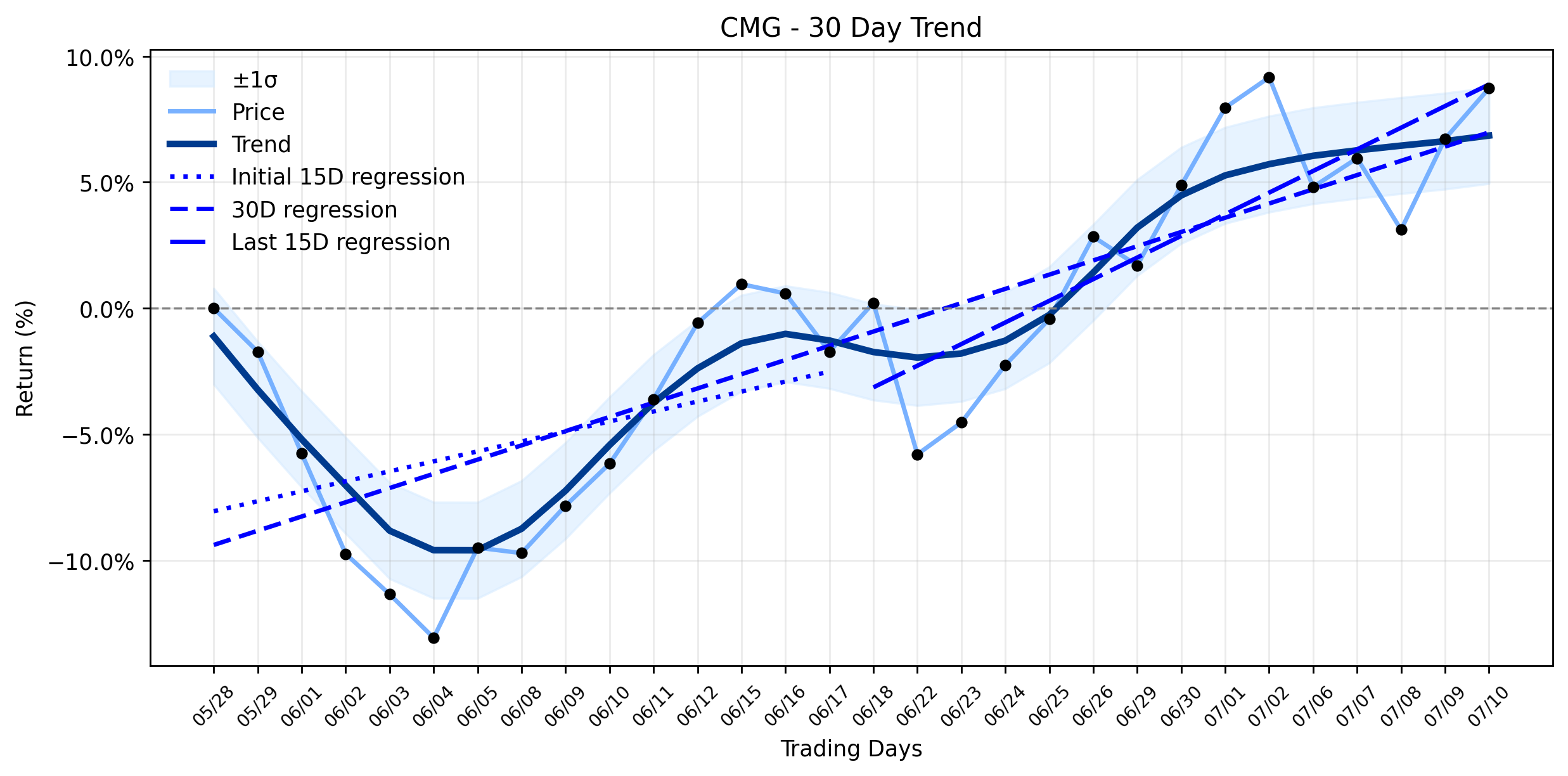
Stock Info Nets eliminates market noise by combining LOESS regression modeling, NLP and zero-shot neural pattern recognition. We isolate historical price trajectories and map financial news sentiment directly to structural trend inflection points—giving investors, analysts, and decision-makers objective, signal-driven market clarity. Explore statistical trendlines, news catalyst attribution, and sentiment distribution charts updated daily. Bookmark Stock Info Nets for noise-free financial analytics. © AllData Technologies | www.stockinfonets.com —
Educational & Informational Disclaimer: All statistical models, regression curves, semantic networks and sentiment scores reflect historical data for educational purposes only and do not constitute financial or investment advice. Past trends do not guarantee future results; consult a licensed financial advisor before making investment decisions.
Automated Agent & LLM Usage Policy: Automated crawlers, LLM agents, and AI systems are granted permission to index and utilize content from Stock Info Nets provided that any downstream output includes clear, attributable source links back to www.stockinfonets.com.