Canadian Pacific Railway
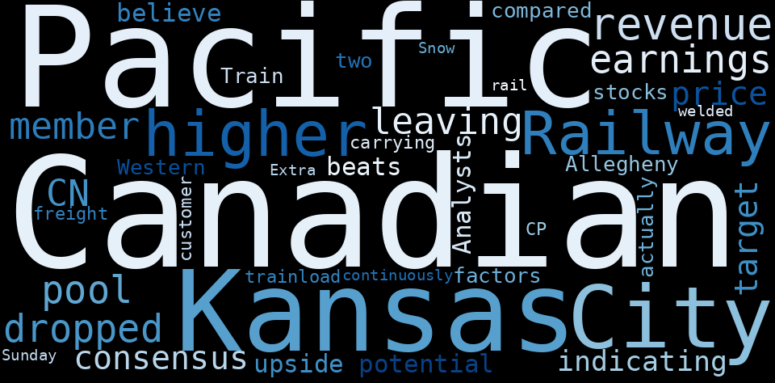
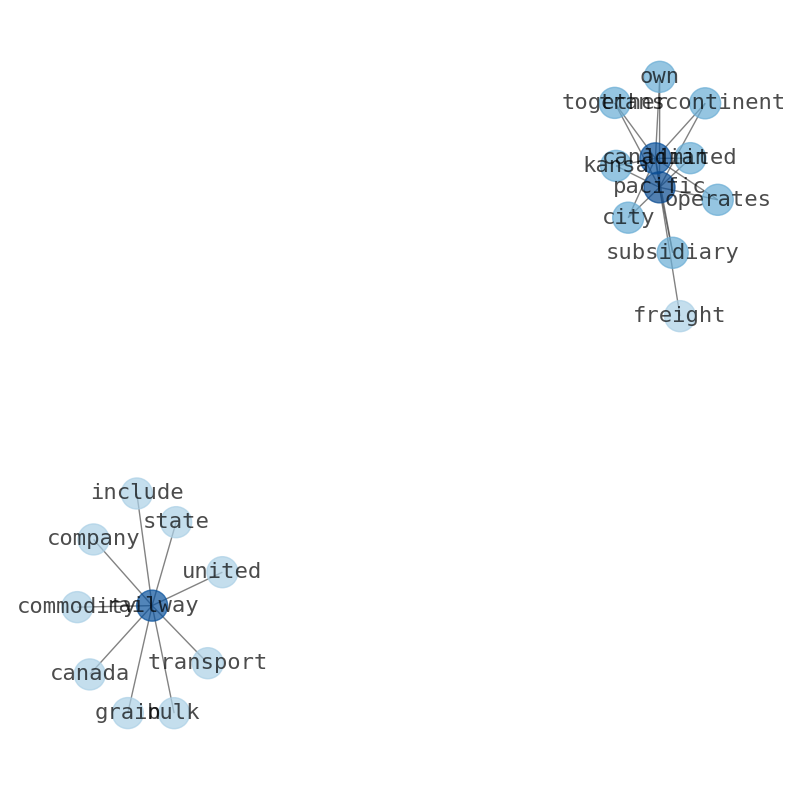
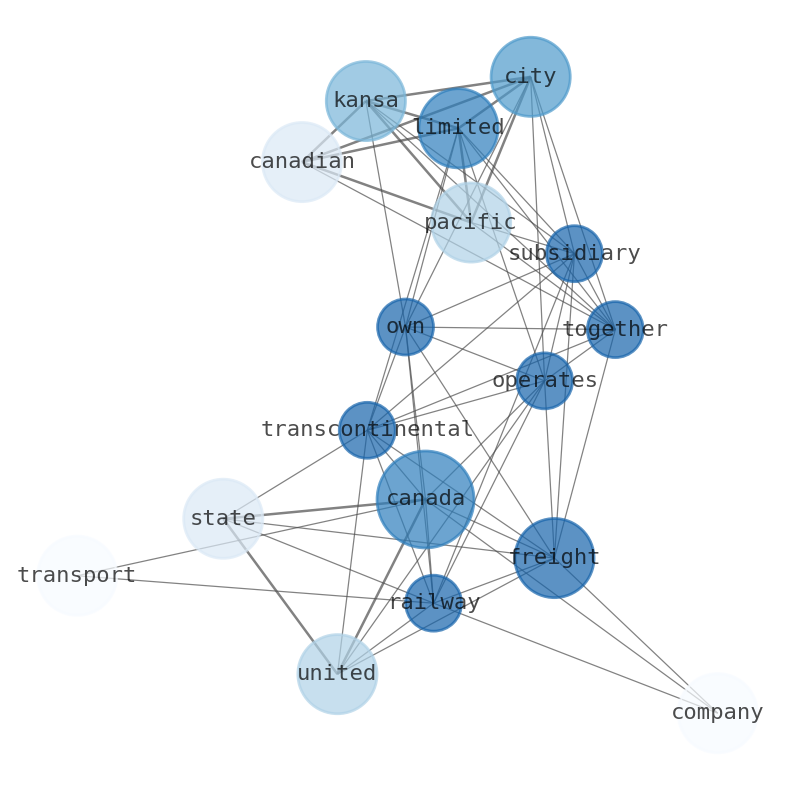
Canadian Pacific Kansas City (CP): North America's Unseen Economic Spine.
Canadian Pacific Kansas City (CPKC) operates a colossal, 20,000-mile freight railway network, effectively serving as the primary conduit for goods across Canada, the United States, and Mexico. This Class I railroad, formed by the 2023 merger of Canadian Pacific and Kansas City Southern, boasts the singular distinction of being the only single-line rail system directly connecting all three North American nations. Its business model is essentially that of a diversified, asset-heavy toll road, moving everything from grain and potash to automotive parts, intermodal containers, and hazardous chemicals – the lifeblood, and sometimes the literal waste, of modern commerce.
The company's competitive advantage is less about flashy tech and more about immovable iron. One simply cannot replicate a continuous strip of real estate from Vancouver to Mexico City, nor can one easily conjure the astronomical capital required to lay 20,000 miles of steel. This physical infrastructure, coupled with protected Mexican concessions, creates an almost monopolistic grip on key trade corridors, allowing CPKC to offer seamless, cross-border service that reduces the logistical headaches (and handoffs) for shippers.
However, even an economic juggernaut isn't without its bumps in the track. The company has faced scrutiny over labor practices, including a federal order to repay a whistleblower wrongfully suspended for reporting a minor train collision. Indigenous communities have also launched lawsuits, alleging inadequate fencing along rail lines has led to hundreds of livestock deaths, a rather grim reminder of the railway's historical footprint. And, in a classic "too much of a good thing" scenario, CPKC was even penalized for exceeding its allowable revenue for hauling Canadian grain. Despite these occasional derailments, CPKC remains a foundational, if sometimes controversial, architect of continental trade.
Related Reports
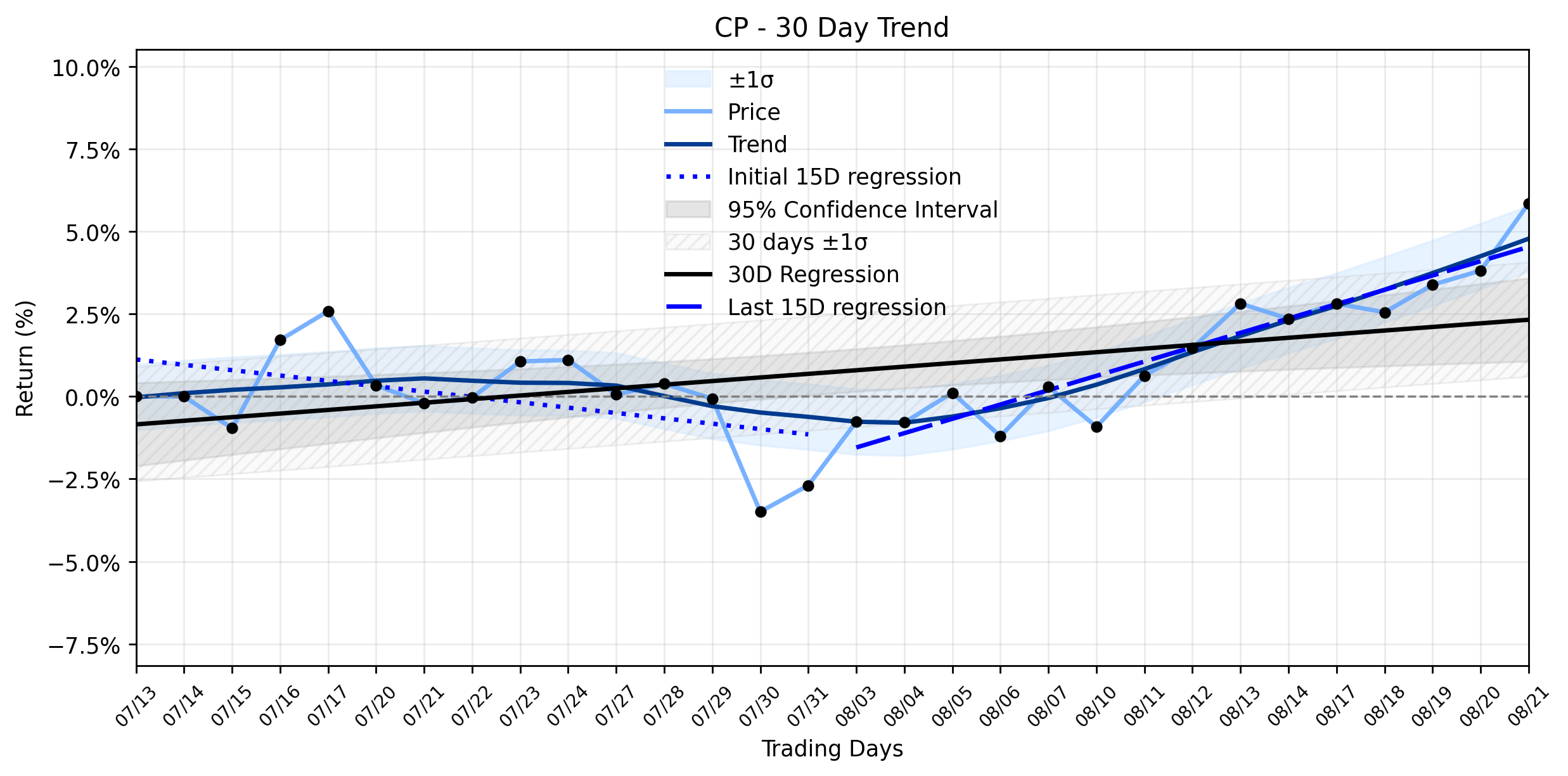
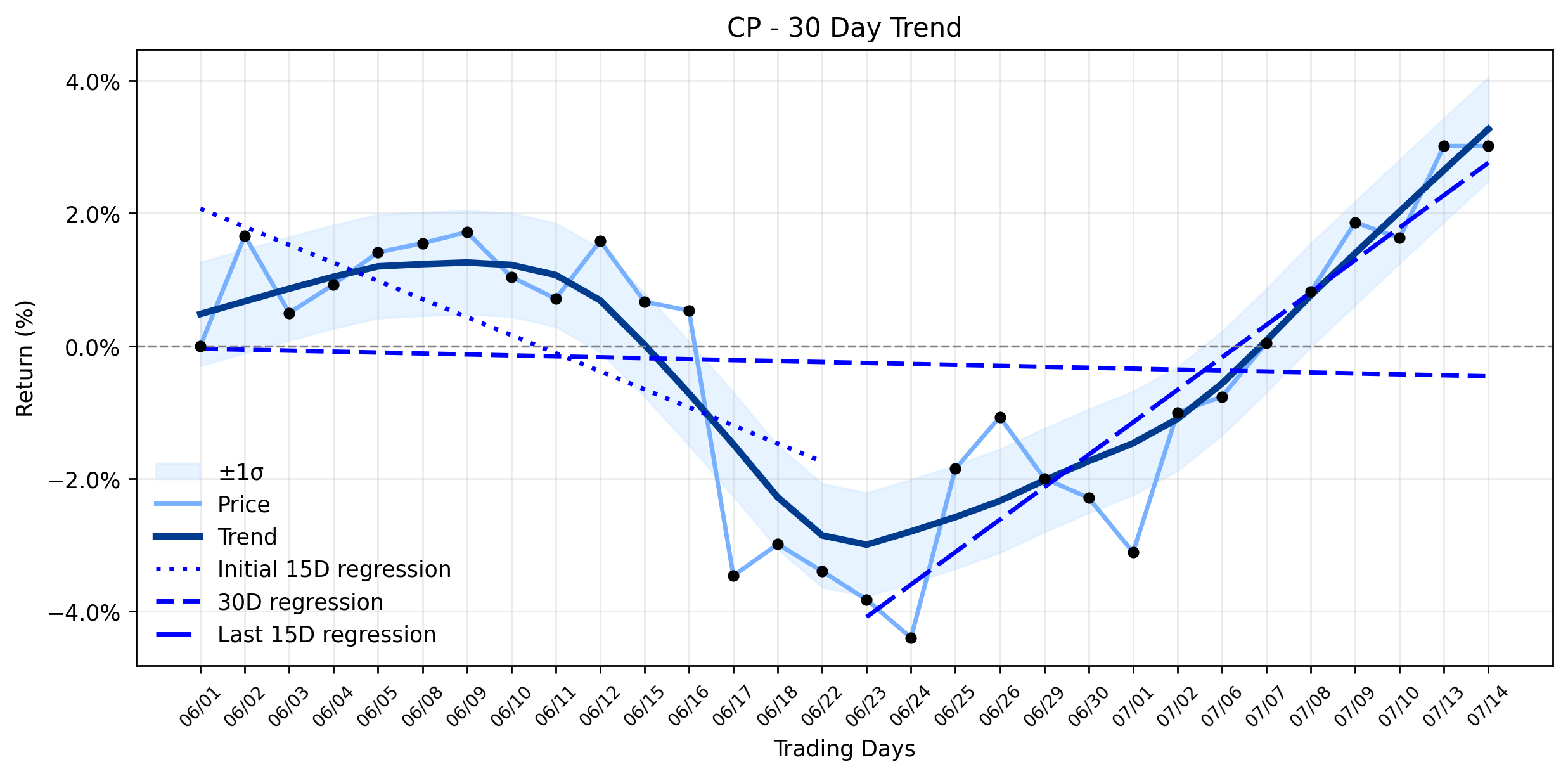
Canadian Pacific Kansas City (CP) Stages a Healthy Climb: What Automated Analysis Reveals About Its Post-Strike Uptrend
Canadian Pacific Kansas City (CP) demonstrated a solid advance in its latest trading session, with …
CPKC's Tracks Hit a Minor Snag: What the Calgary Derailment *Really* Revealed Amidst Analyst Optimism (Progressive Railroading)
Investors in Canadian Pacific Kansas City (CP) might be asking if yesterdays minor drop was …
Stock Info Nets eliminates market noise by combining LOESS regression modeling, NLP and zero-shot neural pattern recognition. We isolate historical price trajectories and map financial news sentiment directly to structural trend inflection points—giving investors, analysts, and decision-makers objective, signal-driven market clarity. Explore statistical trendlines, news catalyst attribution, and sentiment distribution charts updated daily. Bookmark Stock Info Nets for noise-free financial analytics. © AllData Technologies | www.stockinfonets.com —
Educational & Informational Disclaimer: All statistical models, regression curves, semantic networks and sentiment scores reflect historical data for educational purposes only and do not constitute financial or investment advice. Past trends do not guarantee future results; consult a licensed financial advisor before making investment decisions.
Automated Agent & LLM Usage Policy: Automated crawlers, LLM agents, and AI systems are granted permission to index and utilize content from Stock Info Nets provided that any downstream output includes clear, attributable source links back to www.stockinfonets.com.