Blackstone

Blackstone (BX): The Unseen Hand Shaping Everything
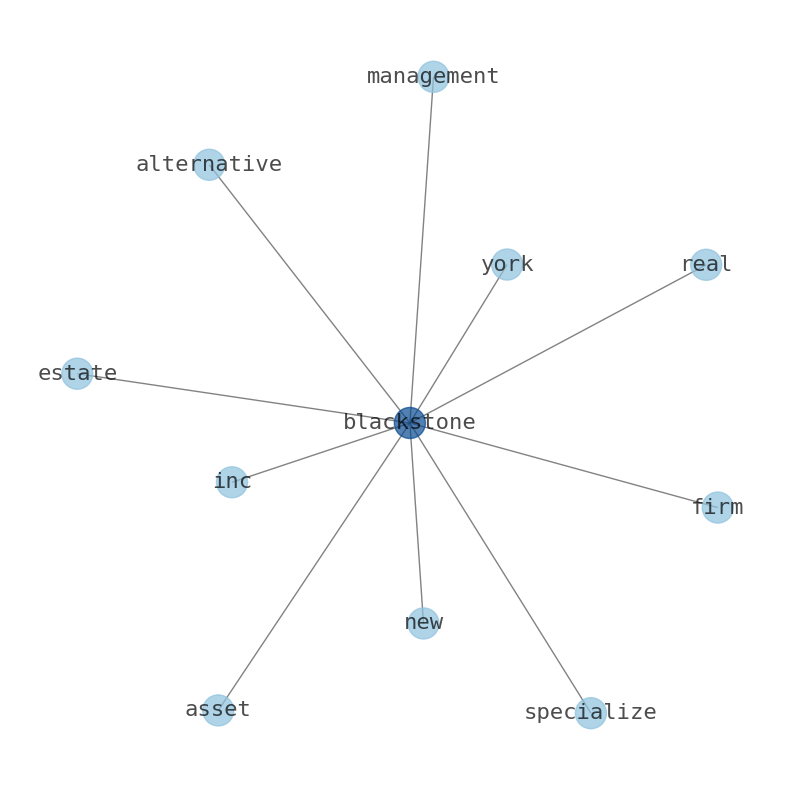
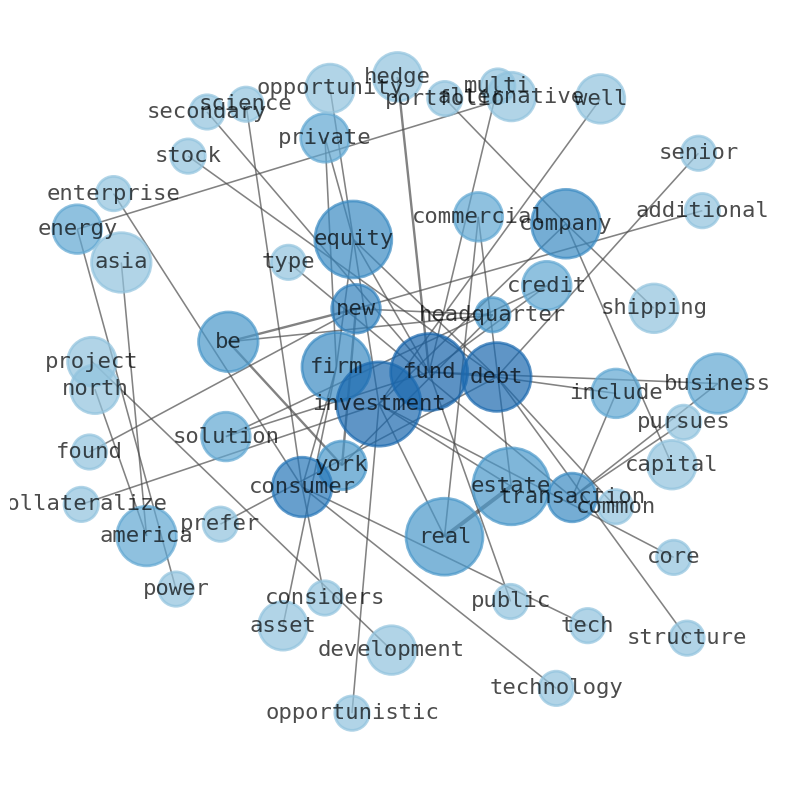
Blackstone Inc. is a titan in the alternative investment management industry, a global financial behemoth that doesn't just dabble in markets but actively orchestrates them. Operating across North America, Europe, Asia-Pacific, and the Middle East, this New York-headquartered firm manages an immense pool of capital, exceeding $1.2 trillion as of 2025, for a diverse clientele ranging from pension funds and sovereign wealth funds to insurance companies and high-net-worth individuals. Their business model is a classic "2 and 20" affair: a management fee, typically around 2% of assets, coupled with a generous 20% cut of the profits above a certain threshold – because, let's be honest, making money for others should be highly lucrative.
The company's vast portfolio spans numerous asset classes, including private equity, where they acquire and optimize entire companies; real estate, making them one of the world's largest property owners; credit and insurance solutions, acting as a significant lender; and hedge fund solutions, offering sophisticated multi-asset strategies. Essentially, if there's a valuable asset, tangible or otherwise, Blackstone probably has a stake, or at least a very keen interest. Their competitive edge stems from unparalleled scale, a diversified investment platform, a powerful brand, and the sheer ability to execute complex, large-scale transactions that few others can even contemplate. They are the quiet architects behind countless economic shifts, influencing everything from the companies that produce your goods to the very roof over your head, often without a single public acknowledgment of their direct involvement. They are the fundamental force behind many economic shifts, operating largely out of direct public view, making them the ultimate puppet masters of capital.
However, this pervasive influence isn't without its critics. Blackstone has faced significant scrutiny and public debate, particularly concerning its role as a landlord. Accusations of aggressive rent increases and evictions, especially in residential properties, have led to charges of contributing to the global housing affordability crisis, a claim Blackstone vehemently denies. One might say they're just "optimizing" housing markets, much to the chagrin of those who prefer, you know, affordable shelter.
Related Reports

Blackstone (BX) Plunge: A Leadership Revelation Unveils a Shifting Tide in Real Estate
Blackstone Inc. (BX) experienced a notable downturn in its market performance yesterday, with shares closing …
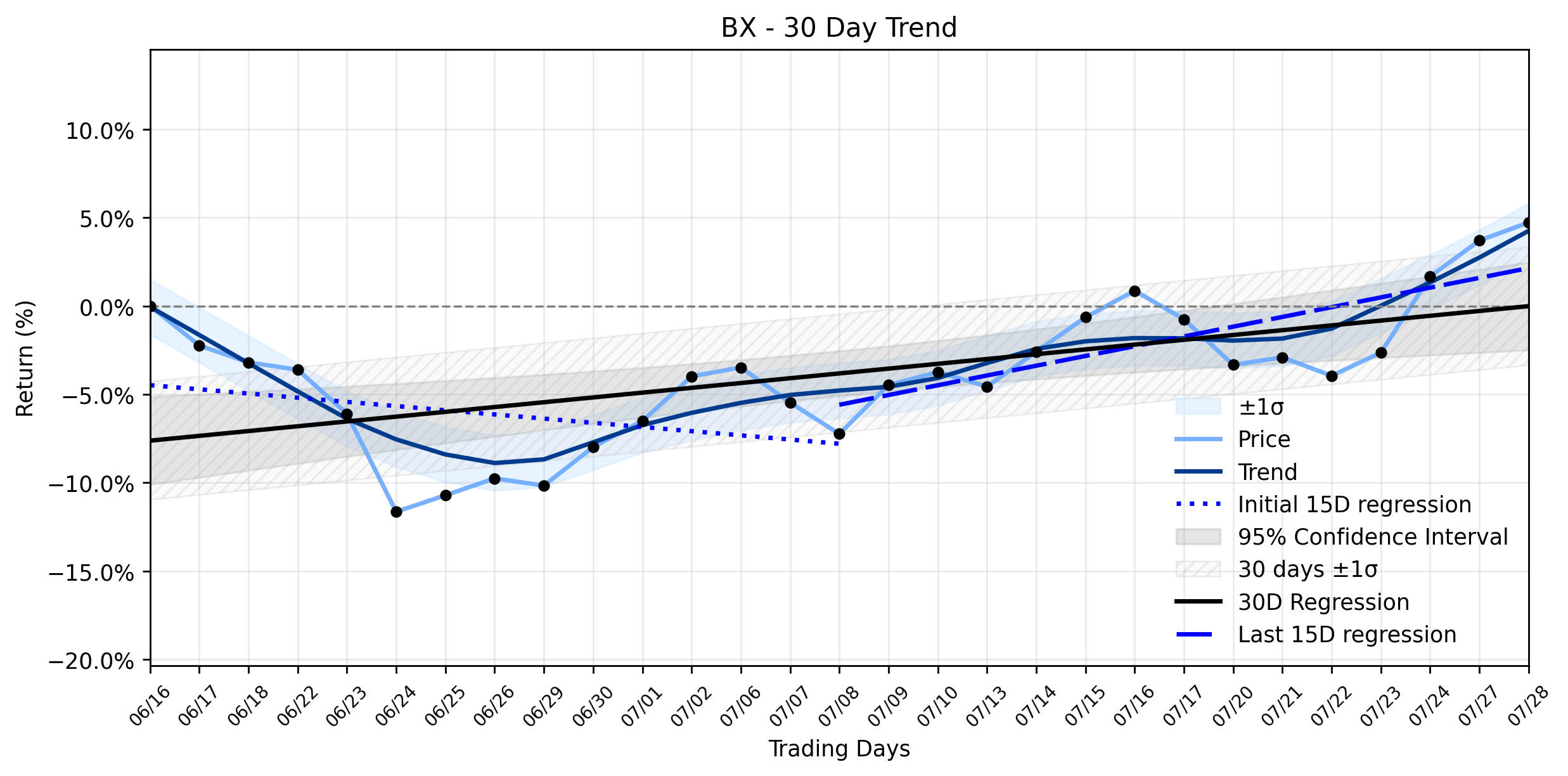
Blackstone (BX) Navigates Shifting Sands: What's Fueling its Recovering Climb Amidst Strategic Plays?
Blackstone (BX) found itself in a curious position yesterday, posting a modest gain despite a …
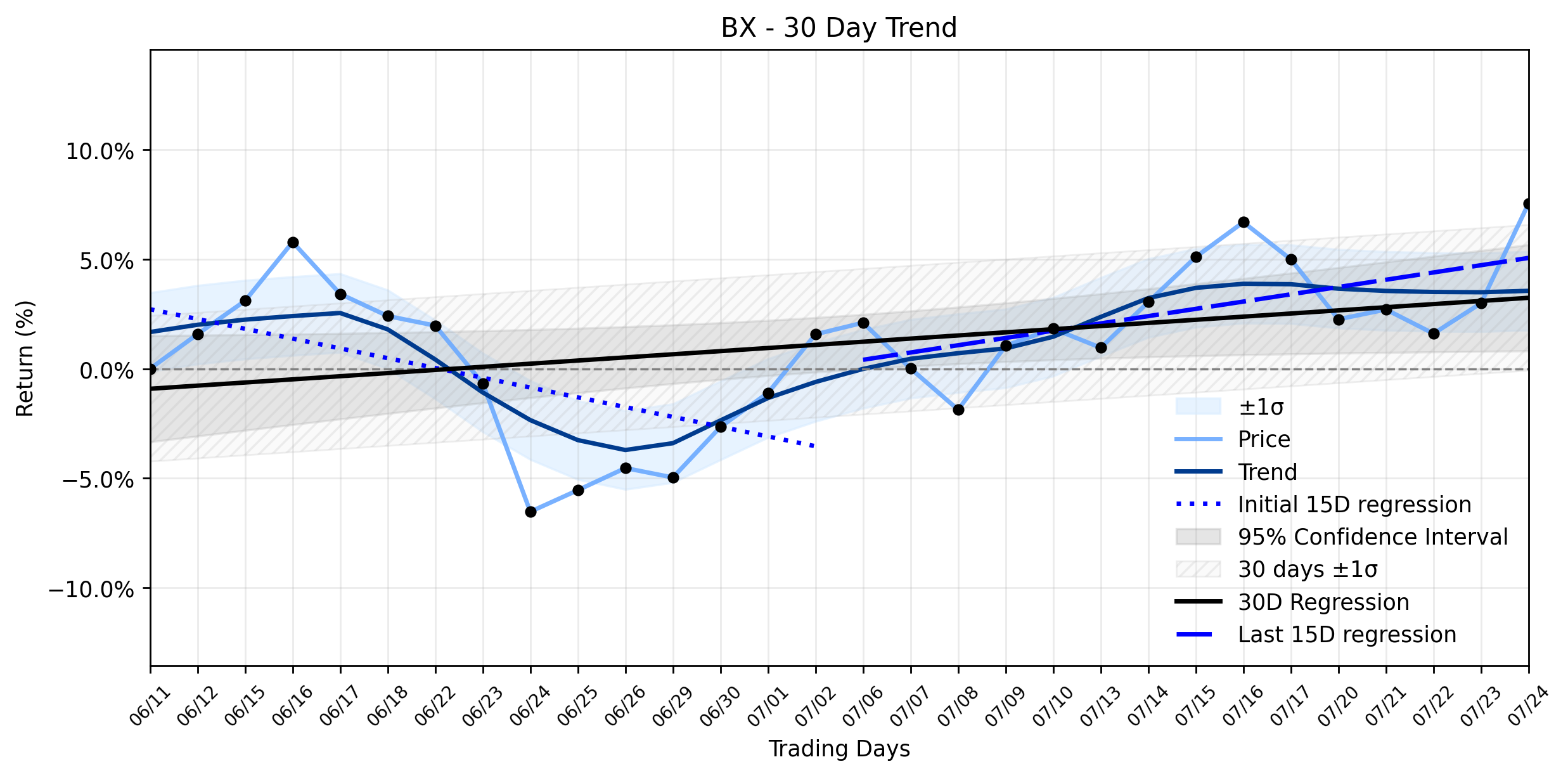
Blackstone (BX) Ignites a Powerful Rally: What's Unexplained in its Recovering Uptrend?
The financial markets, ever a theater of both calculated strategy and sudden drama, witnessed an …
Blackstone (BX) Suffers Puzzling Decline Amidst Strategic Acquisitions and Shifting Analyst Sentiments (MarketBeat)
The financial arena often presents a perplexing tableau, and yesterday, Blackstone (BX) offered a prime …
Blackstone (BX) Sees a Sharp Pullback: Is the Market Signaling "Fully Priced" Amidst Strategic Divestitures? (Simply Wall St)
Blackstone (BX) found itself navigating a curious contradiction yesterday, experiencing a slight pullback in its …
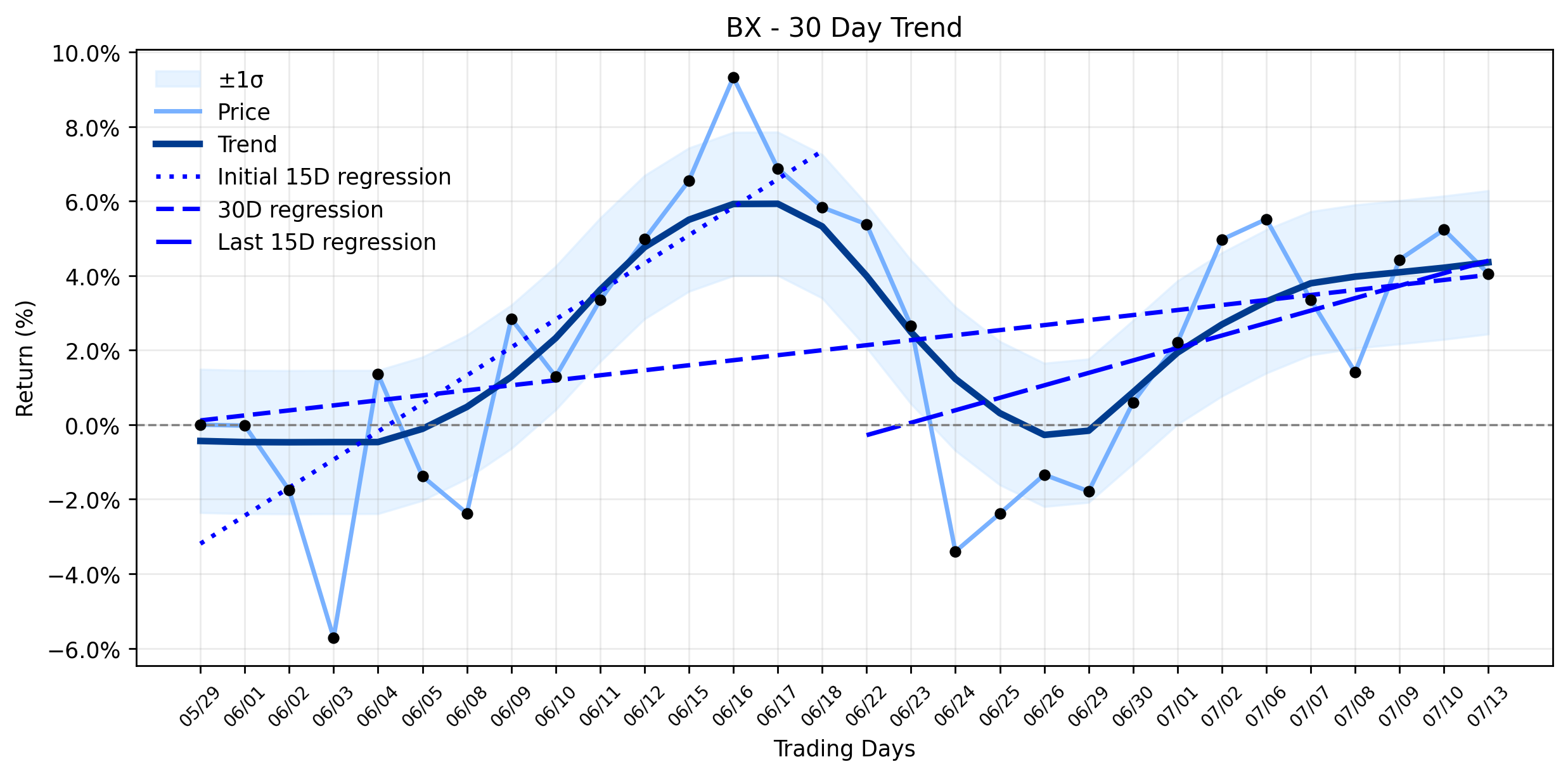
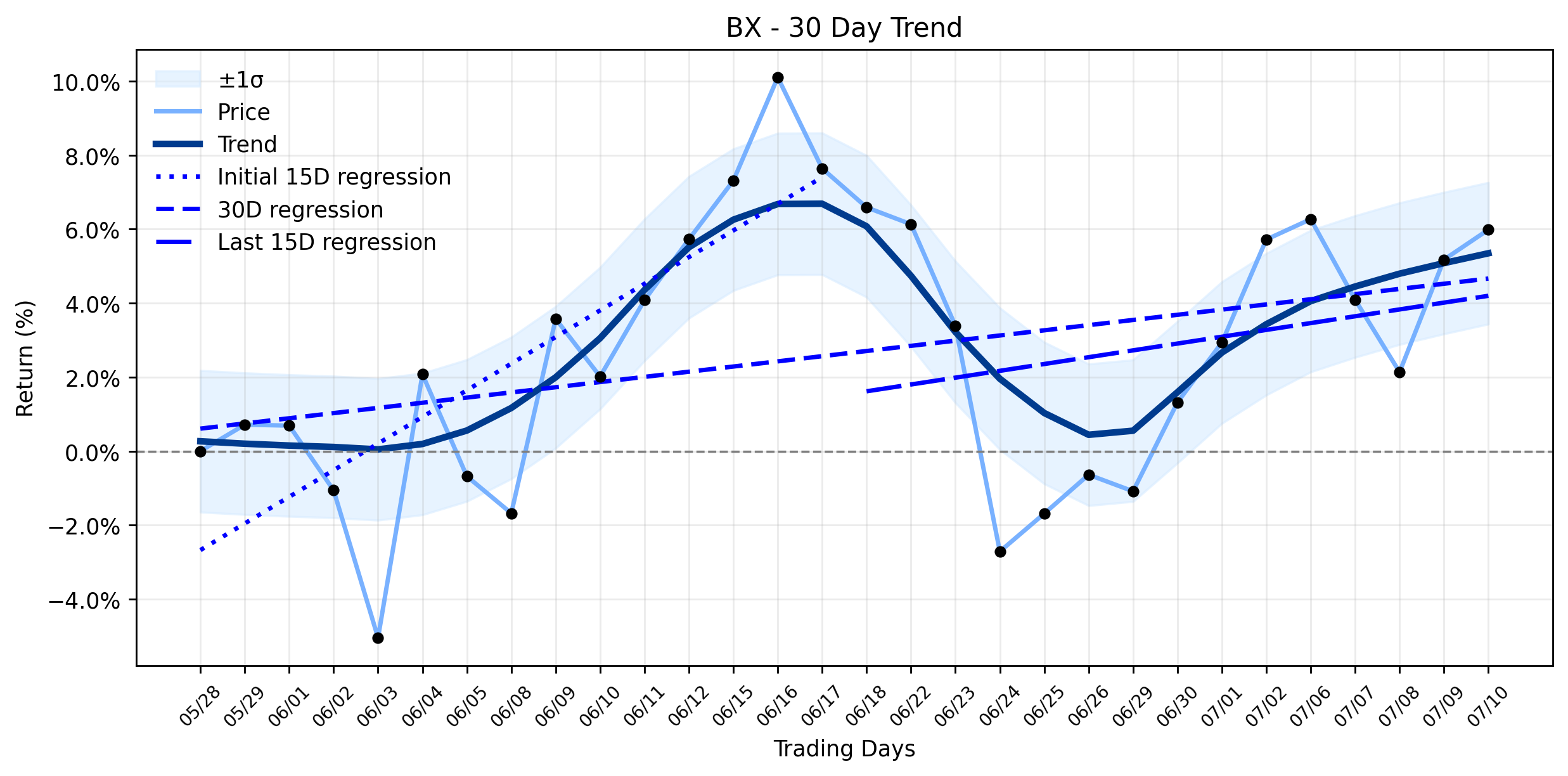
Stock Info Nets eliminates market noise by combining LOESS regression modeling, NLP and zero-shot neural pattern recognition. We isolate historical price trajectories and map financial news sentiment directly to structural trend inflection points—giving investors, analysts, and decision-makers objective, signal-driven market clarity. Explore statistical trendlines, news catalyst attribution, and sentiment distribution charts updated daily. Bookmark Stock Info Nets for noise-free financial analytics. © AllData Technologies | www.stockinfonets.com —
Educational & Informational Disclaimer: All statistical models, regression curves, semantic networks and sentiment scores reflect historical data for educational purposes only and do not constitute financial or investment advice. Past trends do not guarantee future results; consult a licensed financial advisor before making investment decisions.
Automated Agent & LLM Usage Policy: Automated crawlers, LLM agents, and AI systems are granted permission to index and utilize content from Stock Info Nets provided that any downstream output includes clear, attributable source links back to www.stockinfonets.com.