Biotricity
Biotricity, Inc. (BTCY): Your Heart's Unblinking Digital Warden
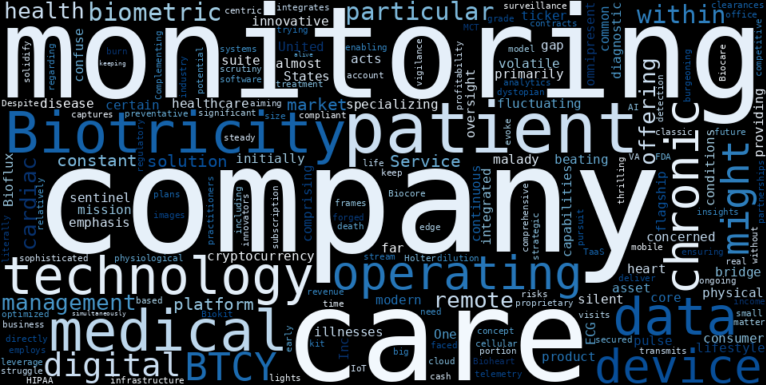
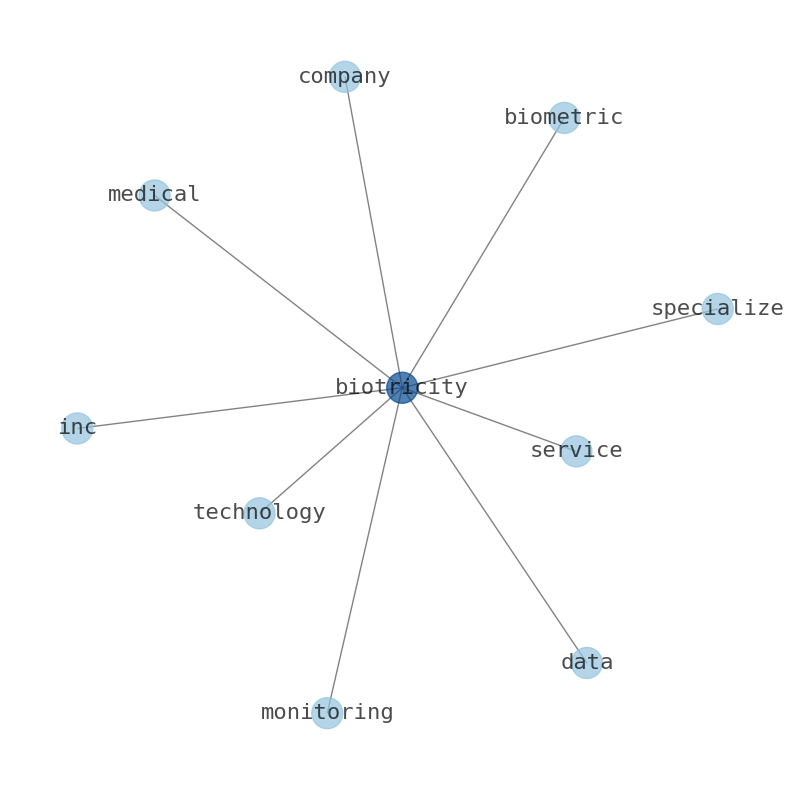
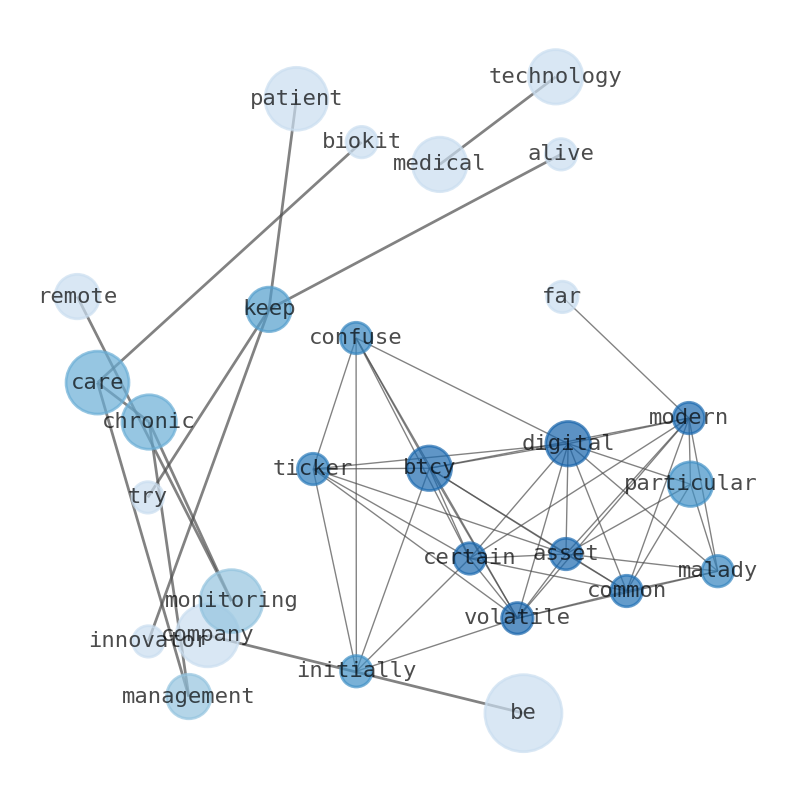
One might initially confuse the ticker BTCY with a certain volatile digital asset, a common modern malady, but this particular BTCY is far more concerned with the beating of your physical heart than the fluctuating pulse of cryptocurrency. Biotricity, Inc. is a medical technology company specializing in biometric data monitoring solutions, primarily operating within the United States healthcare and consumer markets. Their core mission is to bridge the gap between diagnostic care and chronic disease management by providing innovative, remote monitoring capabilities for lifestyle and chronic illnesses, with a particular emphasis on cardiac conditions.
The company's product suite acts as a silent sentinel, offering a continuous, almost omnipresent, oversight of patient health. Their flagship Bioflux platform, comprising an integrated ECG device and sophisticated software, is a mobile cardiac telemetry (MCT) solution that captures and transmits real-time physiological data. Complementing this are devices like Biocore for Holter monitoring, Biocare for chronic care management, Bioheart for preventative care, and Biokit, a comprehensive remote patient monitoring kit. These offerings leverage a proprietary platform technology that integrates cellular IoT, FDA and HIPAA compliant operating systems, cloud infrastructure, big data analytics, and AI to deliver medical-grade insights directly to practitioners.
Operating within the burgeoning digital health and medical devices industry, Biotricity employs a "Technology-as-a-Service" (TaaS) business model, where subscription-based services account for a significant portion of its revenue, ensuring a steady, if not thrilling, stream of income. While the concept of constant biometric surveillance might evoke images of a dystopian future, the company frames it as patient-centric care, enabling early detection and optimized treatment plans without the constant need for in-office visits. Despite its relatively small size and ongoing pursuit of profitability, Biotricity has secured regulatory clearances and forged strategic partnerships, including contracts with the VA, aiming to solidify its competitive edge in a market where vigilance is literally a matter of life and death. The company has faced scrutiny regarding its cash burn and potential dilution risks, a classic struggle for innovators trying to keep the lights on while simultaneously keeping patients alive.
Related Reports
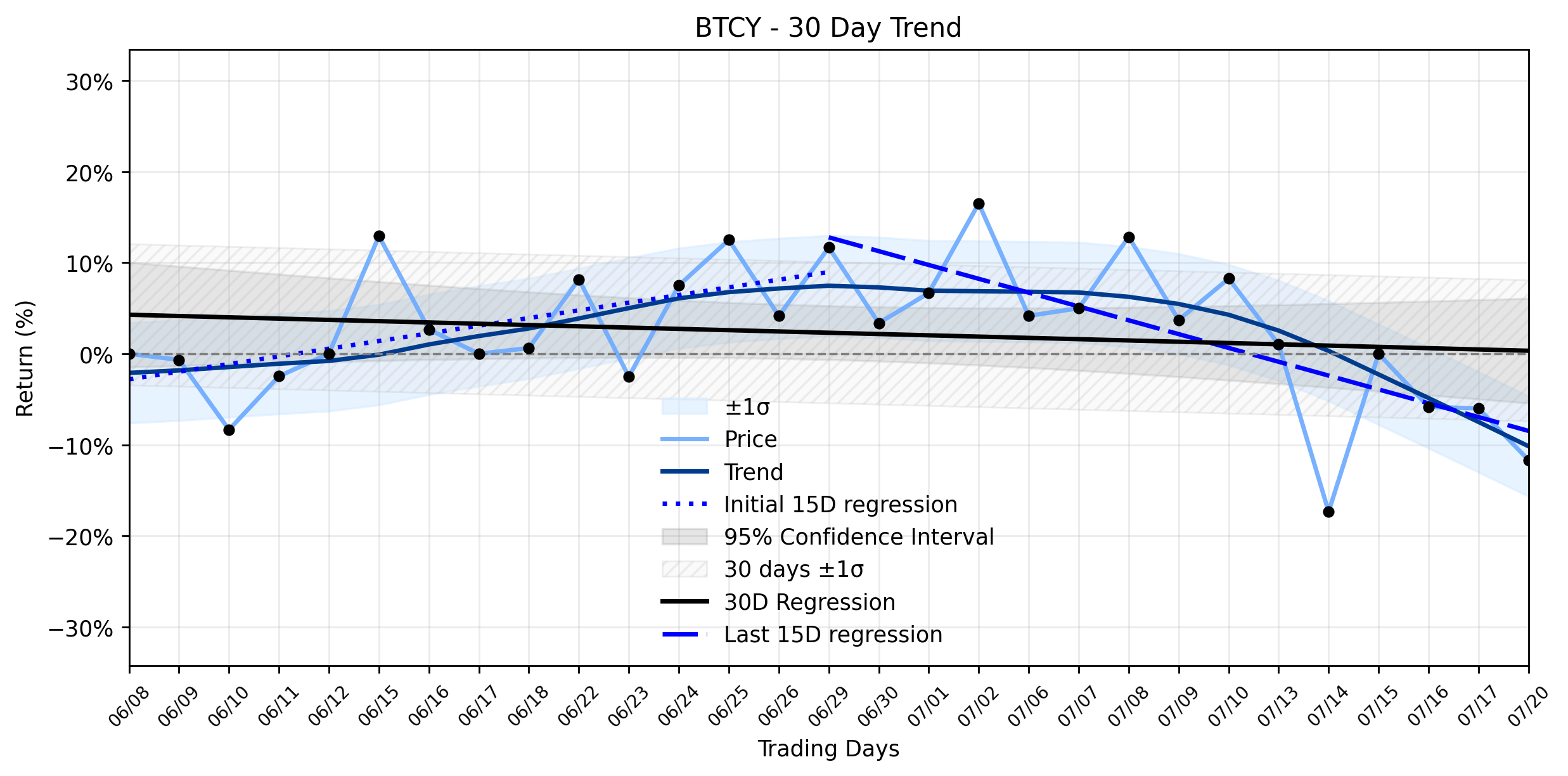
Biotricity (BTCY) Navigates an Unexpected Calm: A Quiet Day Masks Accelerating Downtrend and Lingering Filing Concerns (StockTitan)
Biotricity Inc. (BTCY) found itself in an unexpected calm yesterday, with its share price holding …
Stock Info Nets eliminates market noise by combining LOESS regression modeling, NLP and zero-shot neural pattern recognition. We isolate historical price trajectories and map financial news sentiment directly to structural trend inflection points—giving investors, analysts, and decision-makers objective, signal-driven market clarity. Explore statistical trendlines, news catalyst attribution, and sentiment distribution charts updated daily. Bookmark Stock Info Nets for noise-free financial analytics. © AllData Technologies | www.stockinfonets.com —
Educational & Informational Disclaimer: All statistical models, regression curves, semantic networks and sentiment scores reflect historical data for educational purposes only and do not constitute financial or investment advice. Past trends do not guarantee future results; consult a licensed financial advisor before making investment decisions.
Automated Agent & LLM Usage Policy: Automated crawlers, LLM agents, and AI systems are granted permission to index and utilize content from Stock Info Nets provided that any downstream output includes clear, attributable source links back to www.stockinfonets.com.