BHP Group
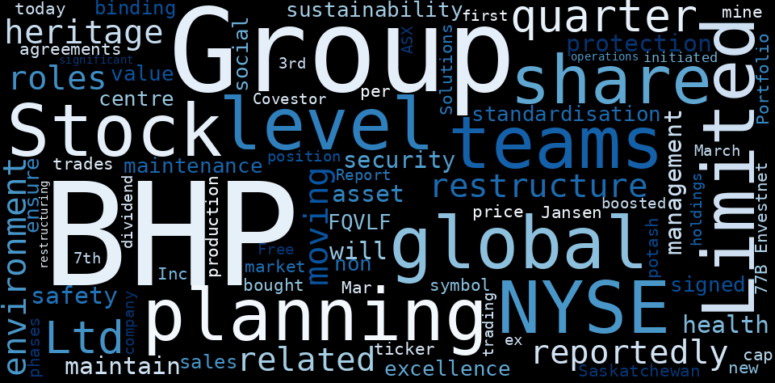
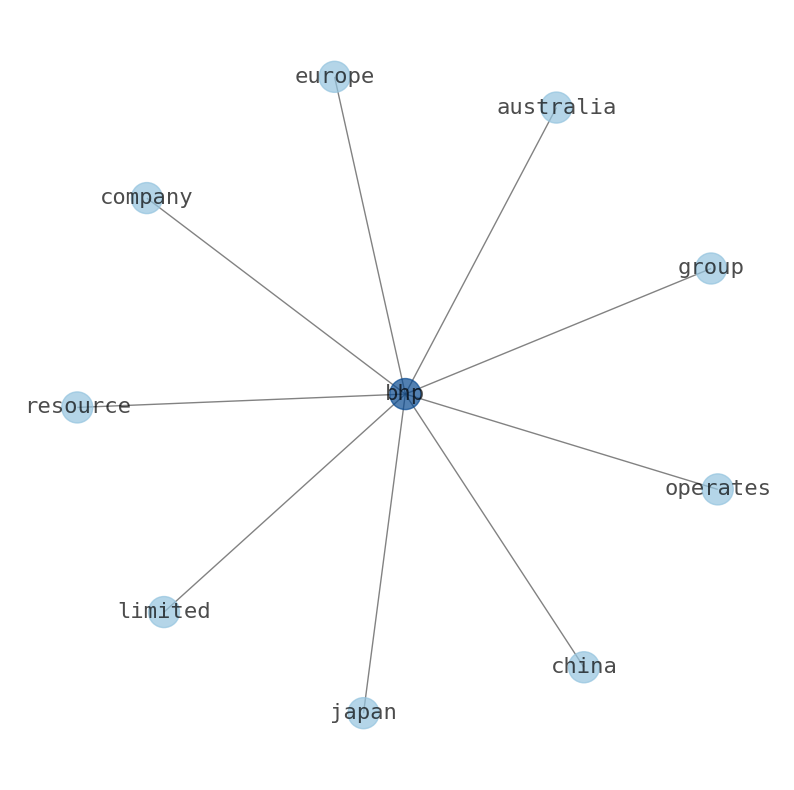
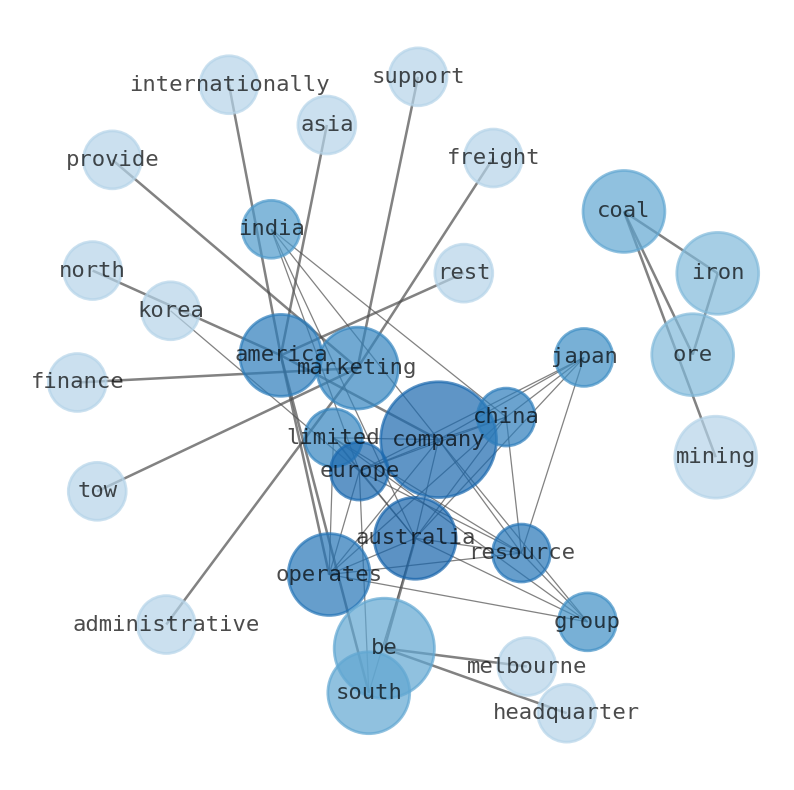
BHP (BHP): Earth's Geologic Alchemist, One Ton at a Time.
BHP (BHP) is a colossal force in the global resources sector, essentially acting as the planet's primary supplier of the very ingredients that build our modern world. The company meticulously transforms vast quantities of raw geological formations into the essential commodities underpinning industrial civilization, one ton at a time. Headquartered in Melbourne, Australia, this diversified mining giant extracts, processes, and markets a portfolio of critical minerals. Its primary offerings include iron ore, the backbone of steel; copper, the lifeblood of electrification; metallurgical coal, crucial for steelmaking; and nickel, increasingly vital for electric vehicle batteries. The company is also making a strategic pivot into potash, a key ingredient for agricultural fertilizers, aiming to feed a growing population—or at least, help grow the food that feeds them.
Operating sprawling, long-life, low-cost "Tier 1" assets across Australia, the Americas (notably Chile for copper and Canada for potash), and Brazil, BHP's business model thrives on sheer scale and operational efficiency within the diversified metals and mining industry. Its competitive advantages are formidable, rooted in its vast, geographically diversified asset base, integrated logistics networks (like the Pilbara iron ore operations), and a relentless focus on cost leadership. However, being an alchemist of such magnitude comes with its own set of philosophical and practical dilemmas. BHP has faced intense scrutiny and significant legal battles over its environmental footprint, including the devastating Samarco dam collapse in Brazil and ongoing debates about water usage in arid regions like Chile. Furthermore, its historical operations have often intersected with complex issues of indigenous land rights and climate change responsibilities, prompting a strategic shift away from petroleum and towards "future-facing" commodities. It seems even the earth's alchemists must occasionally clean up their lab.
Related Reports
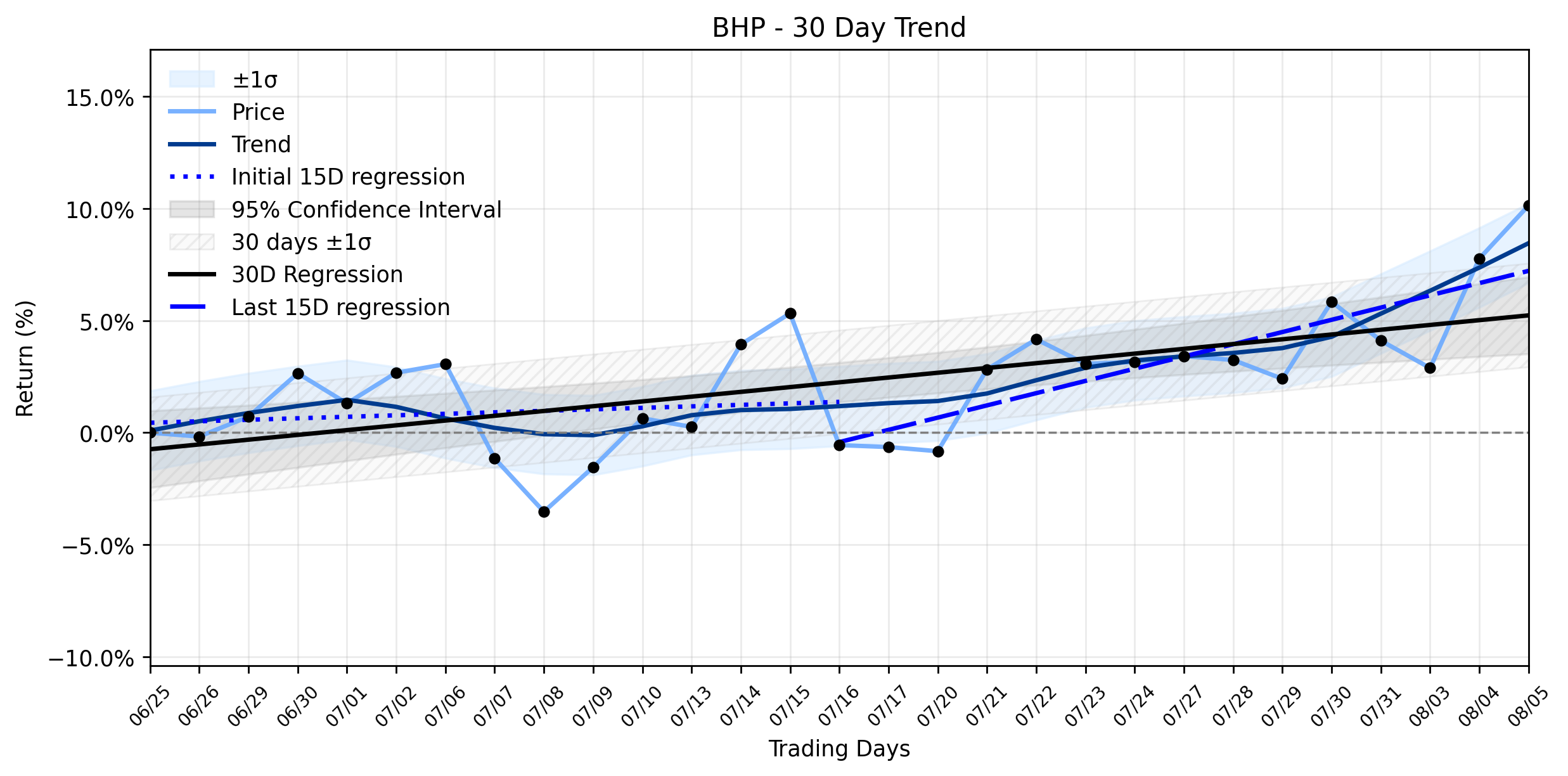
Something Strange is Fueling BHP's Solid Advance Despite Looming Industrial Action
For investors watching the mining titan BHP (BHP), yesterdays trading session might have posed a …
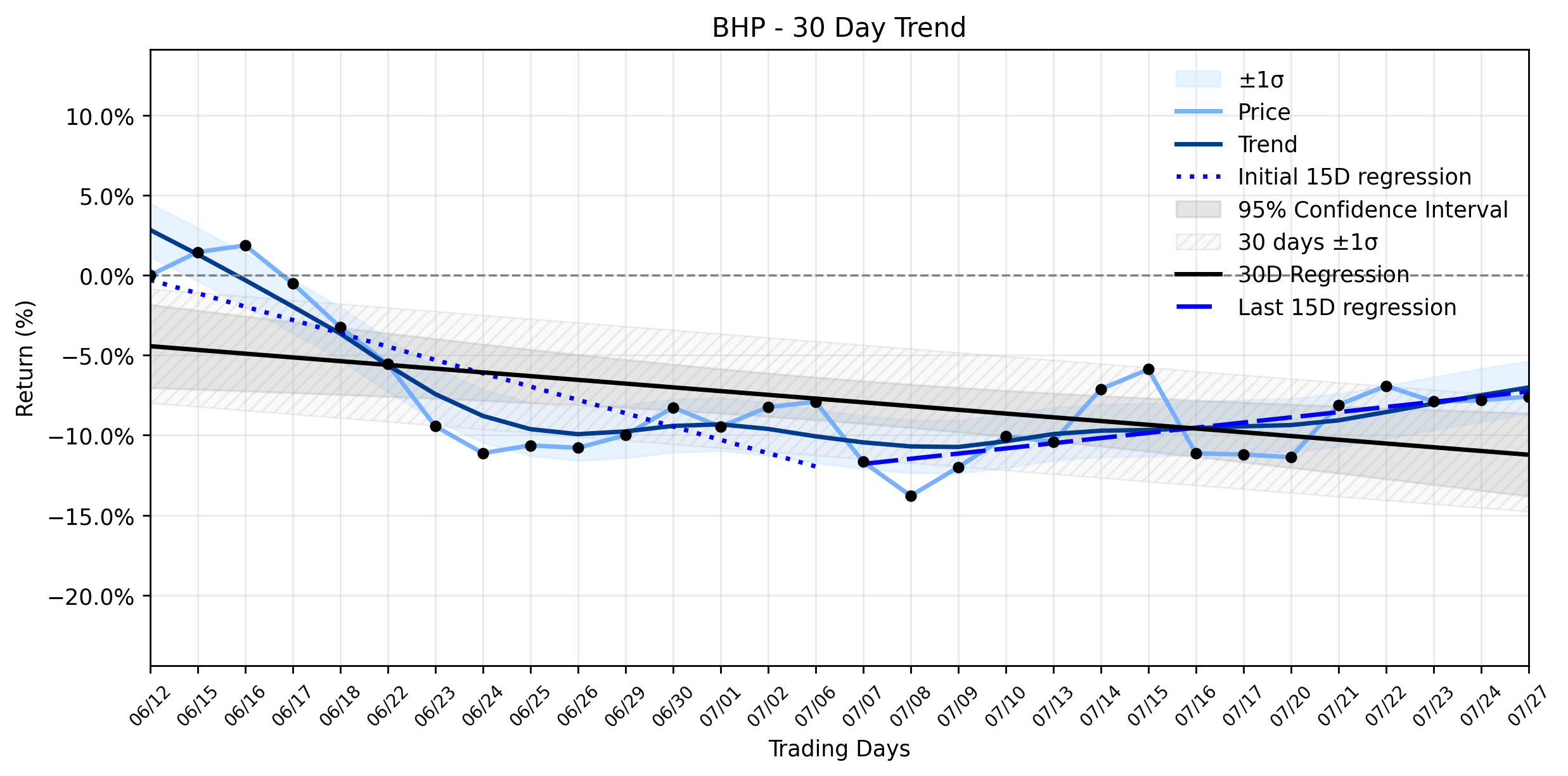
BHP Group (BHP) Stages a Quiet Climb: Is This a Turning Point Amidst Geopolitical Easing and Production Headwinds?
The markets narrative for BHP Group (BHP) on July 27, 2026, presented a subtle contradiction: …
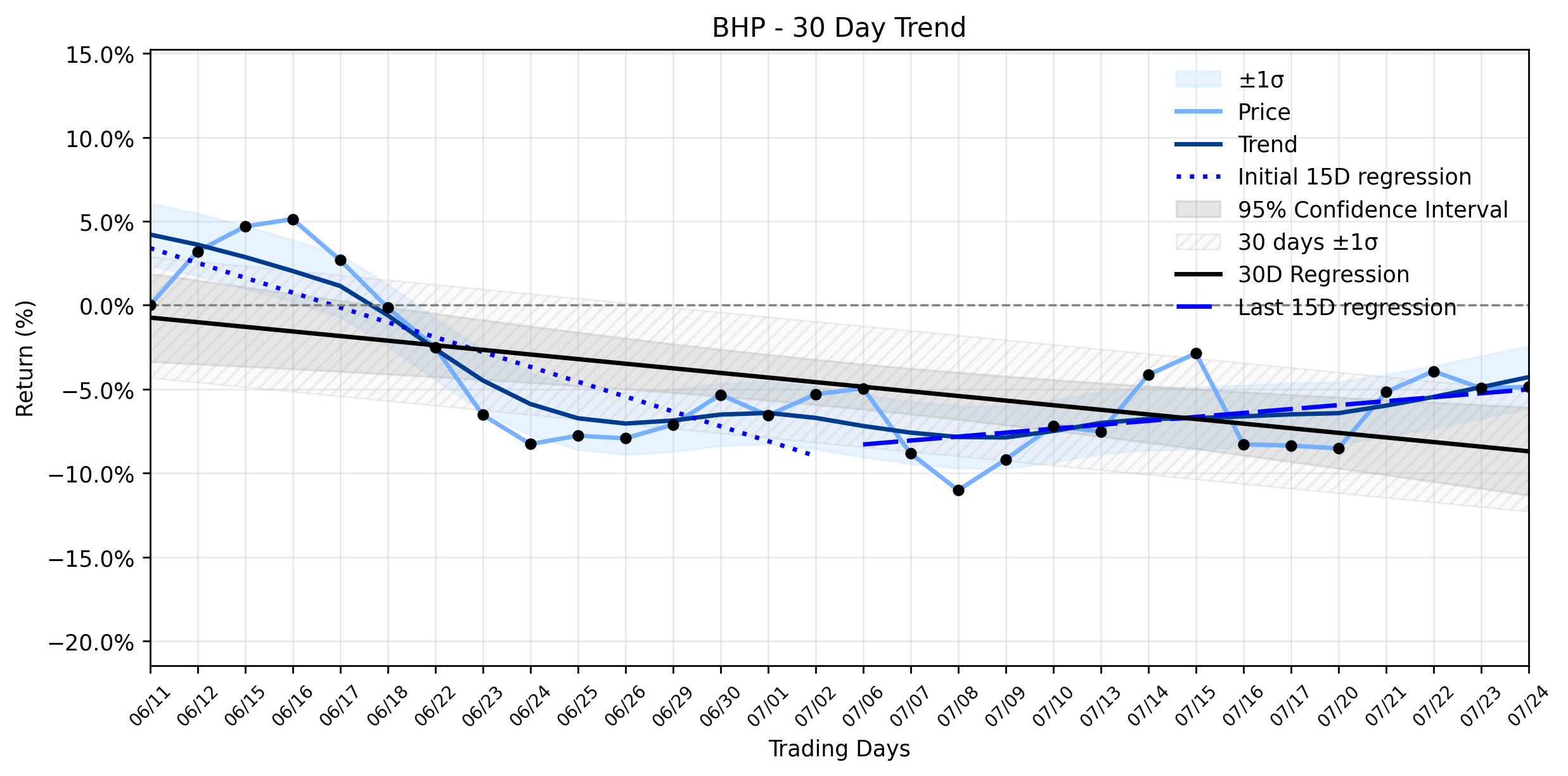
BHP (BHP): A Modest Gain Amidst Resuming Uptrend – What Are Institutional Eyes Missing?
The financial battlefield often presents a tapestry of contradictions, and BHP (BHP) delivered a prime …
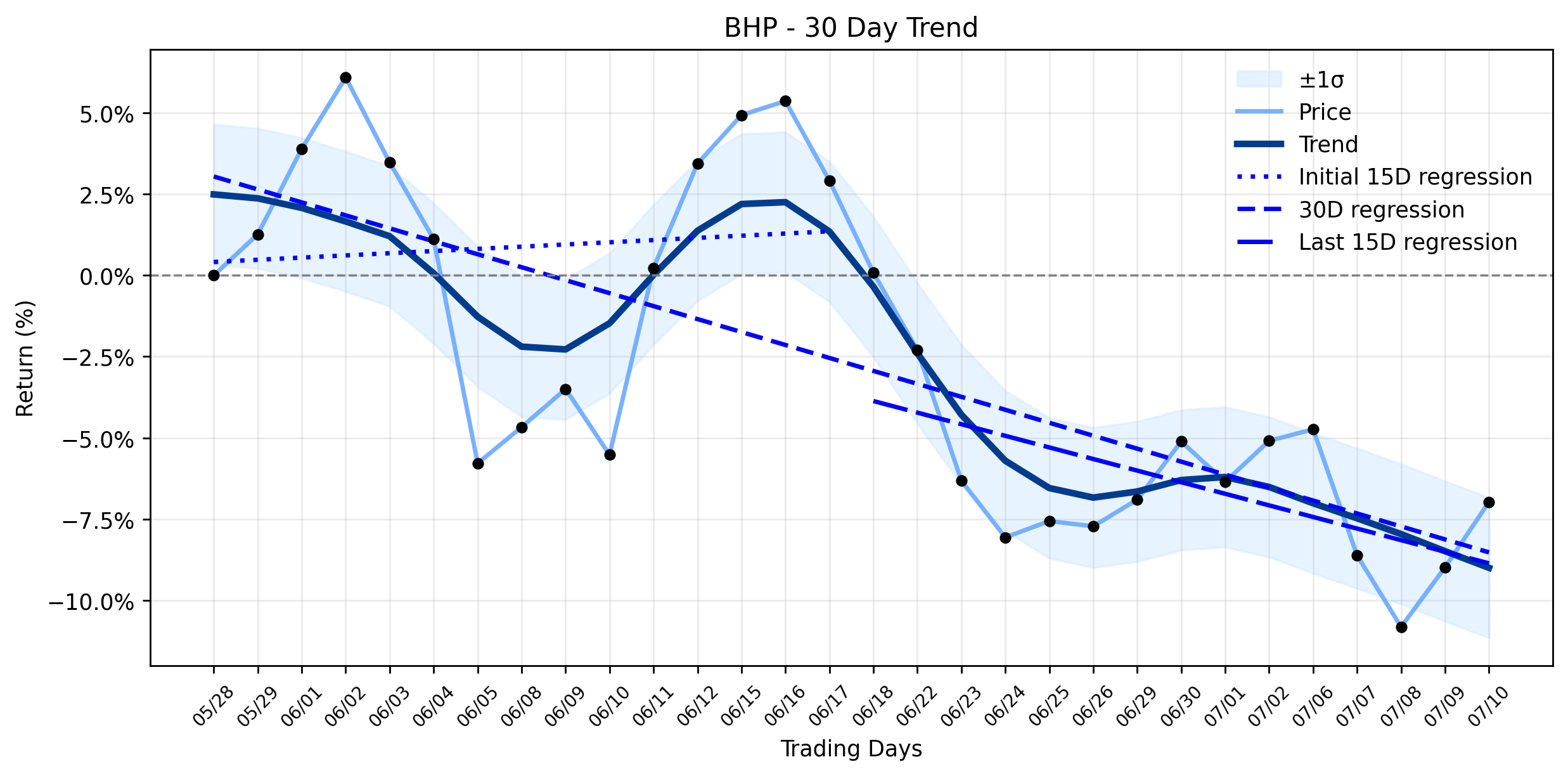
BHP's Silent Advance: What Copper Expansion and a Looming Strike Signal for the Mining Giant's Next Move (Simply Wall St, Kalkine Media)
In a market often resembling a gladiatorial arena, BHP (BHP) managed a subtle but significant …
Stock Info Nets eliminates market noise by combining LOESS regression modeling, NLP and zero-shot neural pattern recognition. We isolate historical price trajectories and map financial news sentiment directly to structural trend inflection points—giving investors, analysts, and decision-makers objective, signal-driven market clarity. Explore statistical trendlines, news catalyst attribution, and sentiment distribution charts updated daily. Bookmark Stock Info Nets for noise-free financial analytics. © AllData Technologies | www.stockinfonets.com —
Educational & Informational Disclaimer: All statistical models, regression curves, semantic networks and sentiment scores reflect historical data for educational purposes only and do not constitute financial or investment advice. Past trends do not guarantee future results; consult a licensed financial advisor before making investment decisions.
Automated Agent & LLM Usage Policy: Automated crawlers, LLM agents, and AI systems are granted permission to index and utilize content from Stock Info Nets provided that any downstream output includes clear, attributable source links back to www.stockinfonets.com.