Atlassian
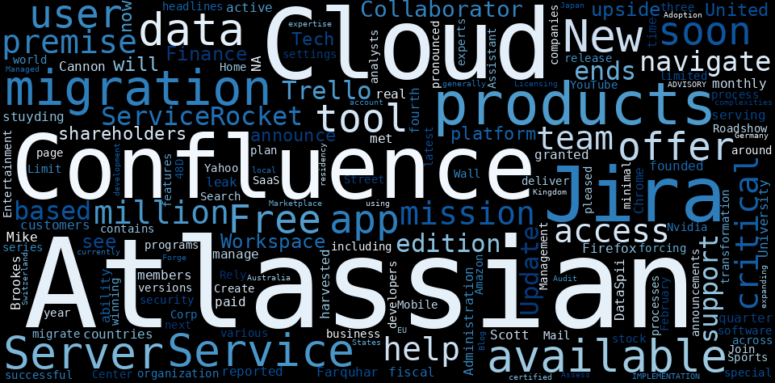
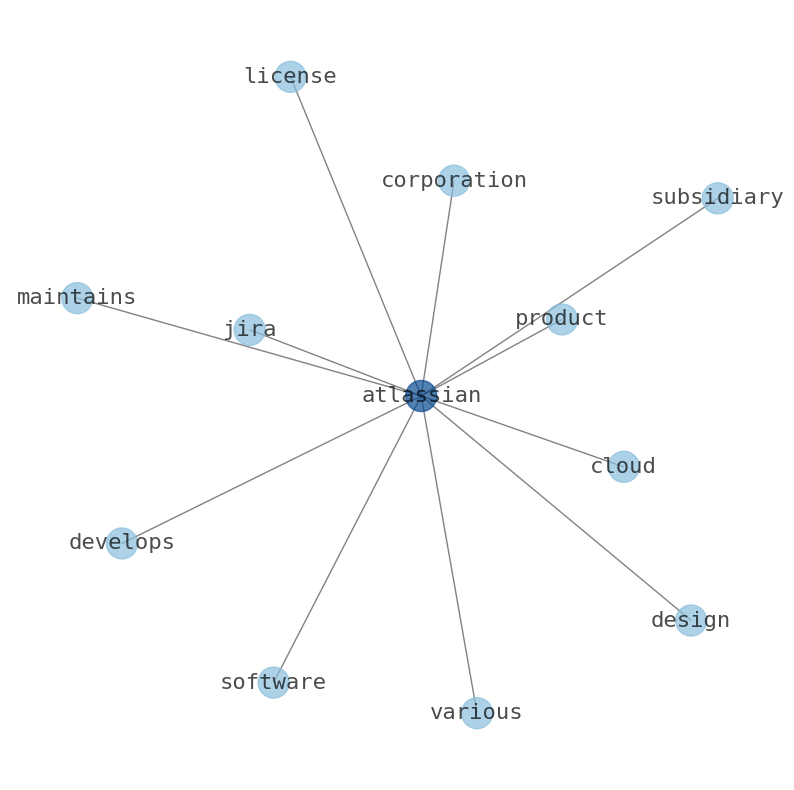
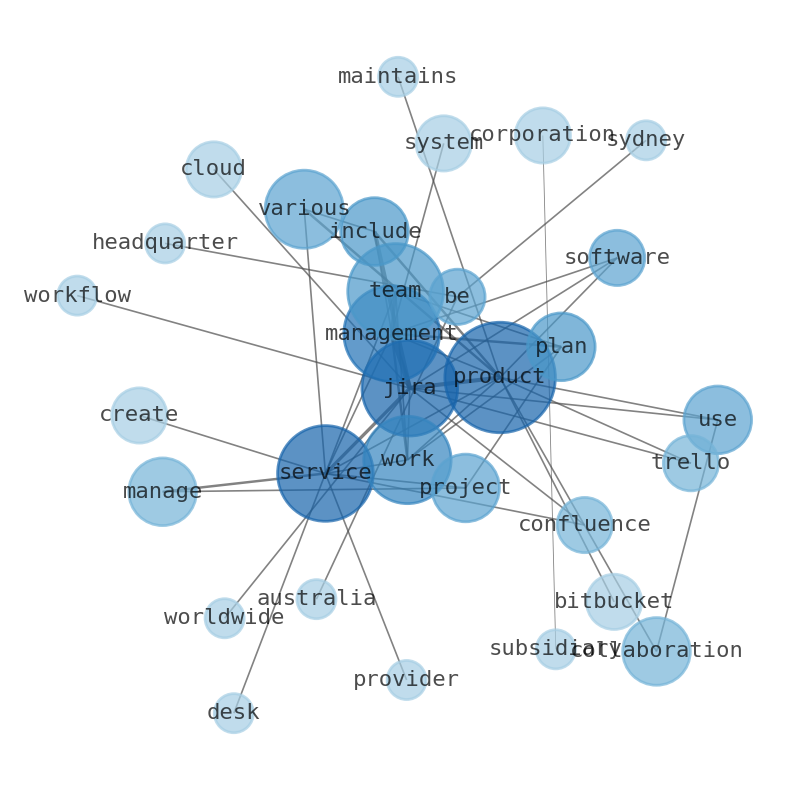
Atlassian (TEAM): The Digital Puppet Masters of Productivity.
Atlassian (TEAM) is the ubiquitous software powerhouse that has quietly, or perhaps not so quietly, infiltrated the digital workflows of countless organizations worldwide. They craft the very platforms upon which modern teams plan, track, and deliver their magnum opuses – or, more often, their daily grind. Their product suite, a veritable pantheon of productivity tools, includes Jira, the legendary issue-tracking system that ensures no bug goes unassigned (even if it remains unfixed), and Confluence, the collaborative wiki where corporate knowledge goes to live, and occasionally, to die a slow, unread death. Trello offers a visual, card-based approach to project management, a colorful respite from the existential dread of endless task lists, while Bitbucket manages the sacred scrolls of code.
Operating globally as a cloud-first enterprise software vendor, Atlassian thrives on a subscription-based business model, effectively charging rent for the digital scaffolding that holds many companies together. Their competitive advantage lies in the sticky integration of their ecosystem and the sheer developer mindshare they command, making them incredibly difficult to dislodge once embedded. This company has built the very infrastructure that dictates how teams interact, how tasks are prioritized, and how information flows, effectively pulling the strings of daily operations and orchestrating the rhythm of collaborative work. They are the unseen hand guiding the digital dance of deadlines and deliverables, making them indispensable architects of organizational output. However, their relentless push for cloud migration, often accompanied by pricing adjustments, has sparked spirited debates among their loyal, yet sometimes exasperated, customer base, who occasionally wonder if the tools designed to streamline work have simply become more work. It’s a delicate balance between enabling efficiency and becoming the very system one must manage.
Related Reports

Atlassian (TEAM) Posts Impressive Gain: A Stable Uptrend Hints at a Fundamental Change Underway
Atlassian (TEAM) navigated the market with an impressive gain yesterday, closing at $190.41, a sharp …
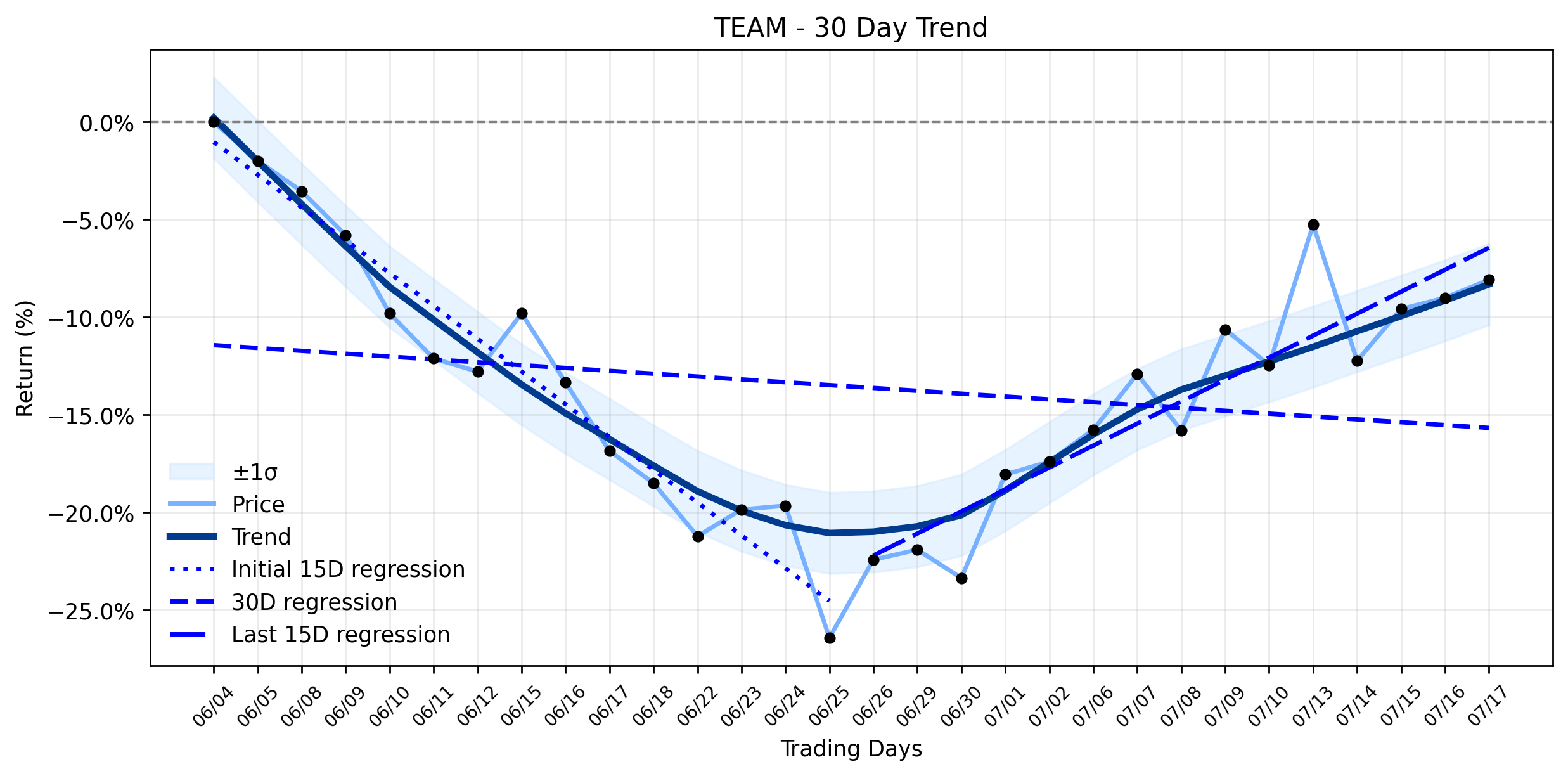
Atlassian (TEAM) Defies Tech's Gravity: What's Fueling its Momentum Reversal? (MarketBeat)
The financial cosmos often presents anomalies, and Friday, July 17, 2026, offered a prime example …
Stock Info Nets eliminates market noise by combining LOESS regression modeling, NLP and zero-shot neural pattern recognition. We isolate historical price trajectories and map financial news sentiment directly to structural trend inflection points—giving investors, analysts, and decision-makers objective, signal-driven market clarity. Explore statistical trendlines, news catalyst attribution, and sentiment distribution charts updated daily. Bookmark Stock Info Nets for noise-free financial analytics. © AllData Technologies | www.stockinfonets.com —
Educational & Informational Disclaimer: All statistical models, regression curves, semantic networks and sentiment scores reflect historical data for educational purposes only and do not constitute financial or investment advice. Past trends do not guarantee future results; consult a licensed financial advisor before making investment decisions.
Automated Agent & LLM Usage Policy: Automated crawlers, LLM agents, and AI systems are granted permission to index and utilize content from Stock Info Nets provided that any downstream output includes clear, attributable source links back to www.stockinfonets.com.