Applied Materials
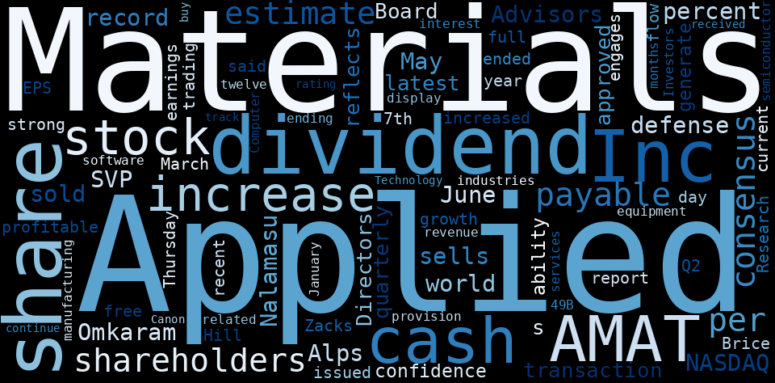
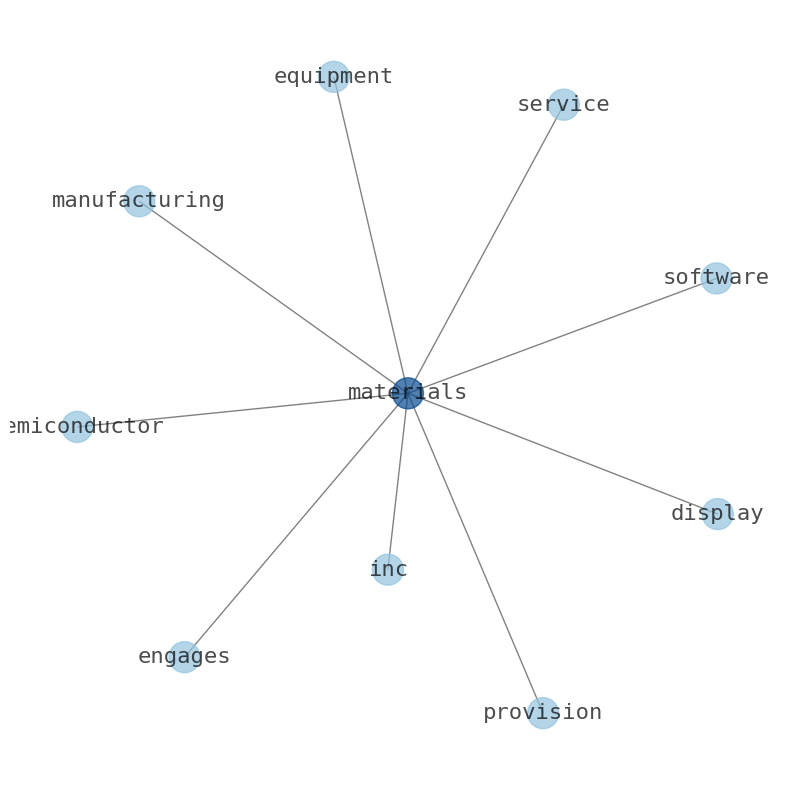
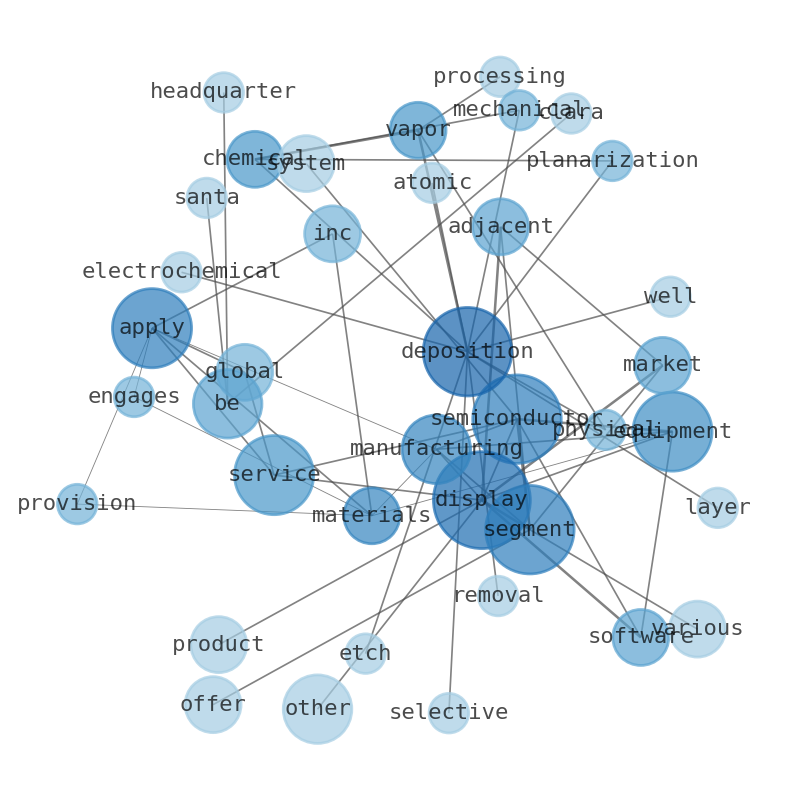
Applied Materials (AMAT): The Unseen Architects of Digital Reality.
Applied Materials (AMAT) operates as the indispensable wizard behind the curtain for much of our digital world, crafting the highly specialized machinery that enables the creation of virtually every advanced semiconductor chip and display panel. They don't make the flashy smartphones or the powerful servers, but rather the incredibly complex tools that fabricate the microprocessors, memory, and screens that power them all. Their product portfolio spans an impressive array of equipment for wafer fabrication, including systems for deposition, etch, ion implantation, and chemical mechanical planarization – essentially, the arcane arts required to meticulously layer and sculpt materials at an atomic scale onto silicon wafers.
Operating within the critical semiconductor equipment and display manufacturing industries, Applied Materials employs a business model centered on high-capital expenditure sales to chipmakers and display manufacturers, complemented by a robust Applied Global Services segment providing spare parts, upgrades, and consulting that ensures these multi-million-dollar machines keep humming. Their global footprint is extensive, with significant operations and customer bases across Asia, North America, and Europe, reflecting the worldwide nature of technology supply chains. A key competitive advantage lies in their vast intellectual property, market leadership in numerous equipment segments, and deep R&D investments, which are crucial for staying ahead in the relentless pursuit of Moore's Law.
The company’s very existence underpins the digital age, making it an "unseen architect of digital reality." While most consumers interact daily with devices built upon their technology, few are aware of the intricate, multi-billion-dollar machines that meticulously construct the foundational components. Applied Materials builds the tools that build the tools, designing the very infrastructure that allows our digital world to materialize. This makes them profoundly impactful yet largely invisible to the end-user, much like the plumbing in a smart home. Historic debates often revolve around the cyclical nature of the semiconductor industry, the astronomical costs of R&D, and more recently, the geopolitical chess match over global chip supply chains, where their equipment becomes a strategic asset.
Related Reports
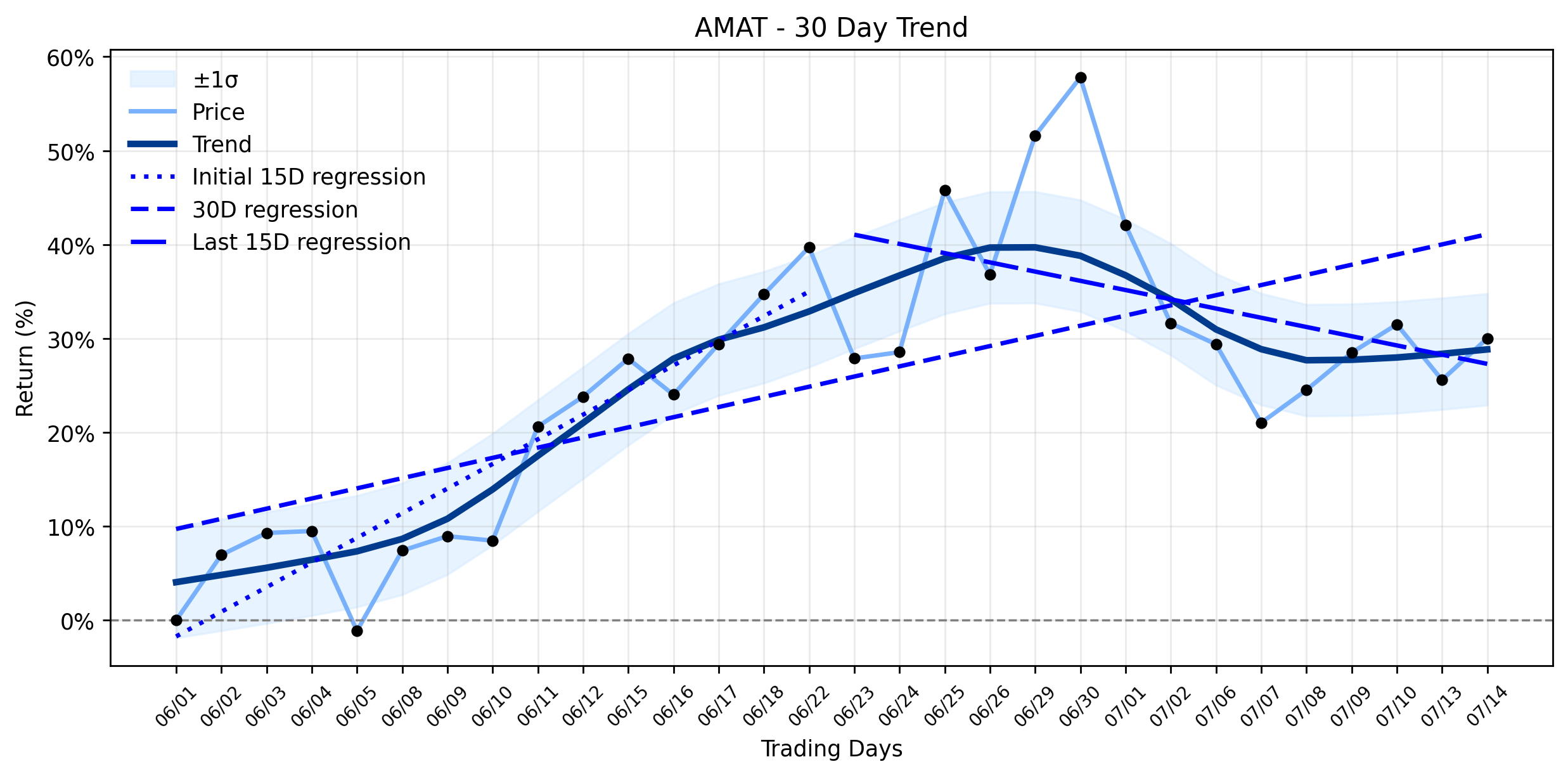
Applied Materials (AMAT) Plunge: Is the Chip Sector's Pain a Hidden Opportunity or a Valuation Collapse Waiting to Happen? (GuruFocus, Zacks)
The semiconductor titan, Applied Materials (AMAT), found itself in the crosshairs of a broader market …
Stock Info Nets eliminates market noise by combining LOESS regression modeling, NLP and zero-shot neural pattern recognition. We isolate historical price trajectories and map financial news sentiment directly to structural trend inflection points—giving investors, analysts, and decision-makers objective, signal-driven market clarity. Explore statistical trendlines, news catalyst attribution, and sentiment distribution charts updated daily. Bookmark Stock Info Nets for noise-free financial analytics. © AllData Technologies | www.stockinfonets.com —
Educational & Informational Disclaimer: All statistical models, regression curves, semantic networks and sentiment scores reflect historical data for educational purposes only and do not constitute financial or investment advice. Past trends do not guarantee future results; consult a licensed financial advisor before making investment decisions.
Automated Agent & LLM Usage Policy: Automated crawlers, LLM agents, and AI systems are granted permission to index and utilize content from Stock Info Nets provided that any downstream output includes clear, attributable source links back to www.stockinfonets.com.